

Category

Mental Health Retreat

Calm Your Mind: Finding Anxiety Treatment Across Texas

By Mental Health RetreatNo Comments

anxiety treatment Texas - Anxiety treatment Texas

Anxiety treatment Texas offers a wide range of options for those seeking relief and lasting wellness. If you’re looking for help right now, here are key approaches available:

  • Cognitive Behavioral Therapy (CBT): A leading evidence-based therapy that helps you change negative thought patterns.
  • Medication Management: Prescription medications can help manage symptoms, often alongside therapy.
  • Innovative Therapies: Options like Ketamine-Assisted Psychotherapy (KAP) and Microcurrent Neurofeedback (MCN) offer new paths for healing.
  • Specialized Centers: Texas has dedicated facilities providing comprehensive, individualized treatment plans, from outpatient to immersive programs.

Anxiety is the most common mental illness in the United States, affecting nearly a third of all adults. For many, constant worry and fear can make even simple daily activities tough. It can disrupt sleep, impact relationships, and make you feel stuck in a fog.

But there’s good news. Millions of Texans have found effective help. You don’t have to face anxiety alone. This guide will walk you through the many effective treatment options available across the state. It’s about finding the right path to help you regain control and find lasting serenity.
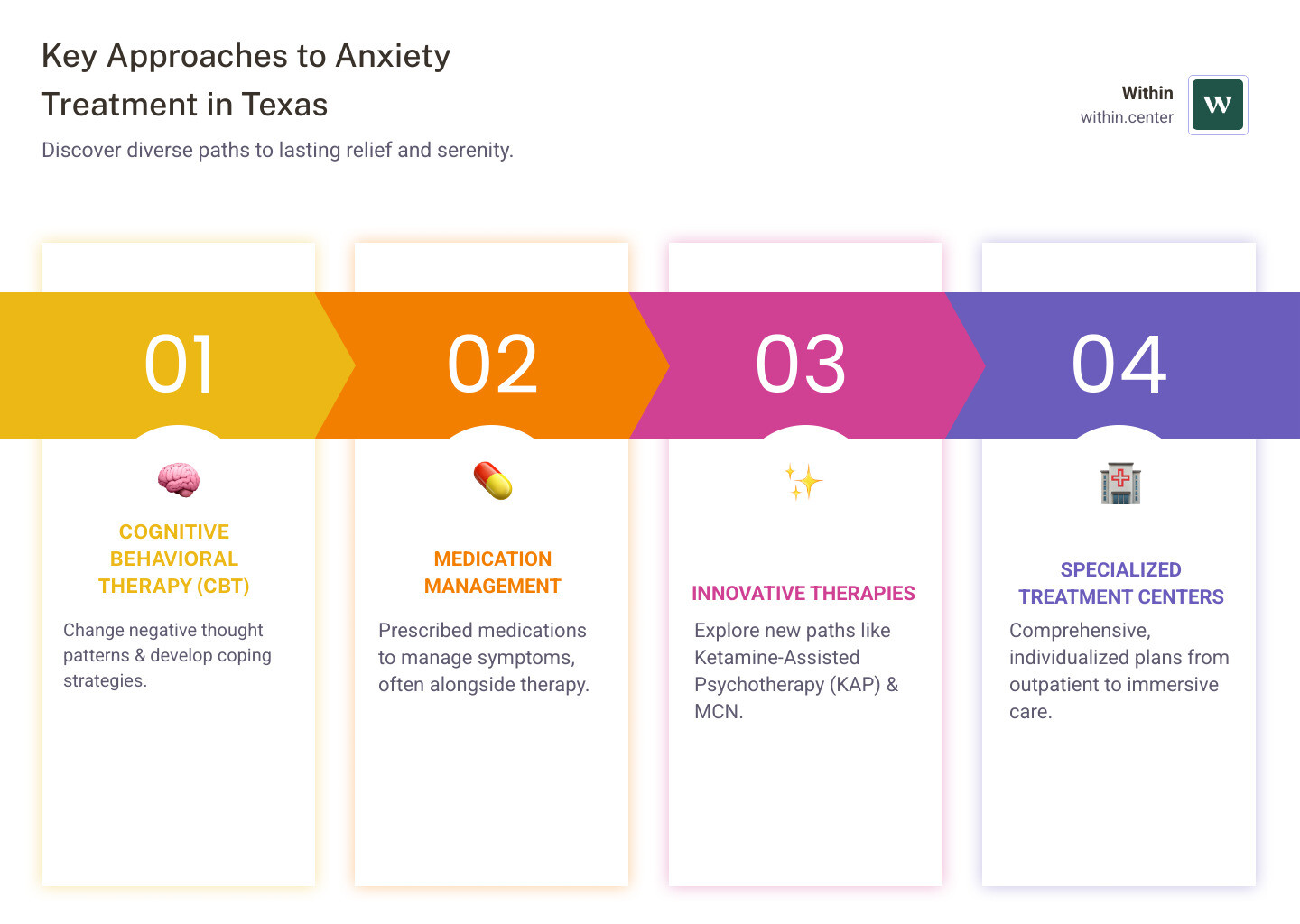
Infographic on Anxiety Treatment Options in Texas - Anxiety treatment Texas infographic pillar-4-steps

Nearly everyone experiences anxiety at some point. That knot in your stomach before a big presentation or the stress of a looming deadline are normal responses that help us stay safe. But for some, these feelings become intense and unmanageable, crossing the line from a normal emotion to a clinical anxiety disorder.

A graphic illustrating the difference between everyday stress and a clinical anxiety disorder - Anxiety treatment Texas

In an anxiety disorder, symptoms are so severe they make daily activities difficult or impossible. This persistent state of apprehension leads to a range of emotional and physical symptoms. Emotionally, you might feel overwhelming fear, worry, irritability, and have trouble focusing. Physically, your body might react with a rapid heartbeat, sweating, shortness of breath, muscle tension, nausea, and sleep problems. These symptoms can disrupt work, relationships, and your overall ability to function.

To learn more about the specifics, you can visit the National Institute of Mental Health’s page on What are anxiety disorders?.

What are the Different Types of Anxiety Disorders?

Anxiety isn’t a one-size-fits-all condition; it manifests in various forms. Understanding these types is the first step toward finding the right anxiety treatment Texas.

Here are some of the most common anxiety disorders:

  • Generalized Anxiety Disorder (GAD): This involves persistent, excessive worry about everyday things, often without a clear reason.
  • Panic Disorder and Panic Attacks: This involves recurrent, unexpected panic attacks—sudden, intense episodes of fear with severe physical reactions. These attacks can feel terrifying, like you’re losing control or having a heart attack. Agoraphobia often co-occurs.
  • Social Anxiety Disorder (Social Phobia): This is an intense fear of social situations due to fear of being judged, embarrassed, or humiliated, leading to avoidance of social events.
  • Specific Phobias: This is an intense, irrational fear of a specific object or situation (like heights or flying) that is disproportionate to the actual danger.
  • Obsessive-Compulsive Disorder (OCD): While now classified separately, OCD often involves anxiety-provoking obsessive thoughts and compulsive behaviors. Many anxiety treatment programs still address OCD due to the strong symptom overlap.
  • Post-Traumatic Stress Disorder (PTSD): Also now classified separately, PTSD can develop after a terrifying event. Symptoms include flashbacks, nightmares, and severe anxiety. Treatment programs for anxiety often address PTSD due to the significant anxiety component.

Common Signs You May Need Professional Help

Recognizing the signs is a brave first step. If you experience any of the following persistently, it might be time to seek professional anxiety treatment Texas:

  • Constant Worry: You worry constantly about things, even if they haven’t happened, and it feels uncontrollable and exhausting.
  • Overwhelming Fear: You feel intense, persistent fear that is disproportionate to the situation.
  • Increased Heart Rate and Physical Symptoms: Your body is on high alert, with physical symptoms like a rapid heart rate, sweating, shortness of breath, muscle tension, or nausea.
  • Difficulty Sleeping: You have trouble falling or staying asleep, which can make anxiety worse.
  • Avoiding Social Situations: You avoid activities or social gatherings you once enjoyed due to fear or self-consciousness.
  • Trouble Concentrating: The constant worry makes it hard to focus on work, school, or conversations.

When anxiety symptoms interfere with your work, relationships, and overall happiness, professional support can make a profound difference. You can find more information on common symptoms of anxiety from the Mayo Clinic: Common symptoms of anxiety.

Navigating Anxiety Treatment in Texas: From Traditional to Innovative Approaches

Starting on the journey of anxiety treatment Texas means finding a whole spectrum of helpful approaches. Our goal isn’t just to manage symptoms, but to equip you with long-term skills, help you cope with triggers, and ultimately guide you toward a healthier, more fulfilling life. Often, the most effective path involves combining different therapies, all personalized to your unique needs and goals.

A calm and professional therapy session - Anxiety treatment Texas

Foundational Therapies for Lasting Relief

When it comes to effective anxiety treatment Texas, some therapeutic approaches truly stand out for their proven results. These are often the first steps and form the strong foundation for many people’s recovery journeys.

One cornerstone is Psychotherapy, often known as Talk Therapy. This involves working with a trained mental health professional to explore the roots of your worries, understand your patterns, and develop healthier ways to cope. It’s about gaining deep insights and building inner strength.

Cognitive Behavioral Therapy (CBT) is considered the “gold standard” for anxiety treatment. This research-backed therapy is based on the connection between our thoughts, feelings, and behaviors. CBT helps you identify and change unhelpful thought patterns, like catastrophizing, and replace them with more realistic ones. It often includes exposure therapy—gradually facing feared situations in a safe environment to build confidence. Many people find significant relief within 8 to 12 weeks. You can explore more about the research behind CBT for anxiety here: Research on CBT for anxiety.

Finally, Mindfulness-Based Therapy brings in practices that focus on being fully in the present moment, without judgment. It teaches you to observe anxious thoughts and feelings without getting caught up in them, which can significantly reduce the intensity of your symptoms.

The Role of Medication in Anxiety Management

For many, medication is a crucial part of a comprehensive anxiety treatment Texas plan, especially for severe symptoms. It’s most effective when combined with psychotherapy.

Medication for anxiety is prescribed and managed by a psychiatrist, who can assess your needs and find the right type and dosage. Common medications include antidepressants (like SSRIs) for long-term management and benzodiazepines (like Xanax) for short-term relief of severe anxiety. Medication management involves regular check-ups to monitor effectiveness and side effects. The goal is to use medication as a tool to ease symptoms so you can fully engage in therapy and build lasting coping skills.

Innovative and Psychedelic-Assisted Therapies at Within

At Within, we are dedicated to offering cutting-edge anxiety treatment Texas options, especially for those who haven’t found relief through traditional methods. We believe in using neuroscience and holistic healing to open doors to profound change.

One of our key offerings is Ketamine-Assisted Psychotherapy (KAP), which combines low-dose ketamine with structured psychotherapy. Ketamine promotes neuroplasticity—the brain’s ability to form new, healthy connections. This “rewiring” of neural pathways creates a unique window for deeper therapeutic work, helping unconscious feelings surface and making therapy more effective. KAP can accelerate healing for tough-to-treat anxiety, depression, and PTSD, with results often felt in weeks, not years. You can dig deeper into this exciting therapy on our dedicated page: What is Ketamine Therapy?.

Another groundbreaking approach we use is Microcurrent Neurofeedback (MCN). This therapy gently applies brief microcurrent stimulation to encourage your brain and nervous system to reorganize themselves. MCN helps “disentrain” the nervous system, leading to better brainwave harmony and improved mental well-being. It’s been shown to help with anxiety, OCD, depression, and PTSD. Many clients notice positive changes in as few as 1 to 3 sessions.

We strongly emphasize that while these innovative therapies are powerful, the therapy component is essential. The insights gained are most effectively sustained when processed within a supportive therapeutic framework. This integration is the key to turning temporary relief into lasting change. Learn more about The importance of the therapy component.

A comfortable, safe, and modern therapy room designed for innovative treatments - Anxiety treatment Texas

Choosing Your Path to Wellness in Texas

Navigating the myriad of options for anxiety treatment Texas can feel overwhelming, but finding the right fit is crucial for your healing journey. Your path to wellness should be as unique as you are, custom to your specific needs, preferences, and lifestyle.

At Within, we understand that true healing goes beyond symptom management. That’s why we offer an immersive, live-in retreat experience at AWKN Ranch near Austin, Texas, coupled with comprehensive integration support and a strong community focus. This contrasts with traditional outpatient models, providing a deeply holistic approach to well-being.

Here’s a comparison of outpatient care versus our immersive retreat model:

FeatureOutpatient TreatmentImmersive Retreat Treatment (e.g., Within)
SettingClinic visits, remote sessions, daily life continuesDedicated, supportive, residential environment
IntensityWeekly/bi-weekly sessions, self-managed outside sessionsFull-time, structured program with constant support
FocusSymptom management, skill-buildingHolistic healing, deep change, integration
EnvironmentDaily stressors remain, requires self-disciplineRemoved from triggers, dedicated to healing
CommunityLimited peer interaction, individual focusStrong community bonds, shared healing journey
Integration SupportOften limited to therapy sessionsComprehensive, ongoing support post-retreat
Ideal ForMild-moderate anxiety, maintaining daily routineChronic/complex anxiety, desire for deep, rapid change

What to Look for in an Anxiety Treatment Center

When seeking anxiety treatment Texas, choose a center that resonates with your values. Here’s what we believe you should prioritize:

  • Specialized Clinicians: Seek centers with anxiety specialists, not just generalists. Their deep understanding of anxiety disorders and effective interventions can significantly improve your treatment quality.
  • Evidence-Based Practices: Ensure the center uses treatments backed by research, such as CBT, Mindfulness-Based Therapy, and, where appropriate, innovative therapies like KAP or MCN.
  • Individualized Treatment Plans: A good center will conduct a thorough assessment and develop a personalized treatment plan custom to your unique needs, goals, and severity of anxiety.
  • Holistic Approach: Effective treatment addresses the whole person—mind, body, and spirit. Look for centers offering a comprehensive approach with therapy, wellness education, and stress management. At Within, our immersive retreat provides holistic healing and comprehensive integration support to ensure lasting well-being within a supportive community.
  • Environment and Setting: The treatment environment plays a significant role in healing. Look for a setting that feels safe, supportive, and conducive to recovery, whether it’s a calming clinic or an immersive retreat like our AWKN Ranch.

Our team of experts at Within is dedicated to providing compassionate, individualized, and effective care. You can learn more about the passionate professionals guiding our programs here: Our Team of experts.

Specialized Anxiety Treatment in Texas for Different Age Groups

Anxiety treatment needs can vary across life stages. Anxiety treatment Texas offers specialized programs to meet these unique needs.

  • Children’s Programs: For children, anxiety can appear as excessive worry or school refusal. Treatment often involves play therapy, family therapy, and age-appropriate CBT to manage fears.
  • Adolescent Support: Teens face unique pressures fueling anxiety. Programs focus on coping skills, self-esteem, and social anxiety, often using individual, group, and family therapy.
  • Adult-Focused Care: Adult programs address the full spectrum of anxiety disorders, incorporating individual and group therapy, medication management, and stress management techniques.
  • Senior Anxiety: Anxiety in older adults can be overlooked. Programs for seniors focus on coping with life transitions, managing chronic health conditions, and reducing social isolation.
  • Family Involvement: Family involvement is often key to successful healing. Many centers offer family therapy or educational groups to help loved ones understand the disorder and provide effective support.

How to Handle Insurance and Payment in Texas

Navigating the financial aspects of anxiety treatment Texas can be stressful, but understanding your options can help.

  • Verifying Benefits: First, contact your insurance company to verify your mental health benefits. Ask about deductibles, co-pays, and out-of-pocket maximums for specific services like therapy or specialized programs.
  • In-Network vs. Out-of-Network: Check if a provider is in-network with your insurance. In-network providers usually mean lower out-of-pocket costs. Out-of-network providers may still be partially covered.
  • Private Pay Options: Many choose to self-pay for more flexibility and privacy, especially for innovative treatments not always covered by insurance.
  • Financing Plans: Some centers offer financing options like CareCredit to make treatment more accessible. Ask providers about payment plans or financing solutions.

Frequently Asked Questions about Anxiety Treatment

Starting the journey toward anxiety treatment Texas naturally brings up many questions. Let’s address the most common ones.

How long does anxiety treatment typically take?

The duration of treatment is unique to each person, depending on the type of anxiety and the chosen approach. With therapies like Cognitive Behavioral Therapy (CBT), many feel meaningful relief within 8-12 weeks.

However, the goal of effective anxiety treatment Texas is to develop lasting skills, not just quick symptom relief. Some benefit from short, intensive programs, while others need longer-term support. The investment in treatment provides long-term benefits for your well-being.

What is the first step to getting help for anxiety in Texas?

Taking the first step is simpler than it seems. While self-assessments can be helpful, the most valuable action is to schedule an initial consultation with a mental health professional.

In this conversation, you can share your experiences and receive expert guidance. A professional can determine if you have clinical anxiety, identify the type, and create a personalized treatment plan. Reaching out is a sign of strength. If you’re ready, you can Contact us for a consultation to begin your healing journey.

Can anxiety be cured completely?

Anxiety is typically not “cured” in the traditional sense, but it can be effectively managed. Effective anxiety treatment Texas focuses on reducing the frequency and intensity of symptoms and developing powerful coping skills.

Treatment teaches you to manage anxiety so it no longer controls your life, becoming more like background noise than a constant alarm. With the right tools and support, you can live a full, joyful, and productive life. Lasting relief means having the freedom to thrive.

Conclusion: Your Journey to Serenity Starts Here

What a journey we’ve been on together! We’ve explored the ins and outs of anxiety, from understanding its many forms to finding the wide world of anxiety treatment Texas has to offer. It’s clear that feeling overwhelmed by worry is something many of us experience. But, just as clearly, hope and effective solutions are abundant. You truly don’t have to face this alone.

The power of professional help can’t be overstated. Imagine finding relief through proven paths like Cognitive Behavioral Therapy (CBT), or finding how medication can help calm the storm. Perhaps cutting-edge options like Ketamine-Assisted Psychotherapy (KAP) or Microcurrent Neurofeedback (MCN) could be your path to profound healing. The key is finding a specialized center that offers personalized, holistic care, understanding that everyone’s journey is unique.

Taking that first step, reaching out for help, is one of the bravest acts of self-love you can make. It’s about acknowledging your struggles and committing to your own well-being. Here at Within, we are deeply committed to providing an immersive, live-in retreat experience at our beautiful AWKN Ranch. It’s designed for holistic healing within a supportive community, focusing on deep, lasting change with robust integration support. We believe this comprehensive approach nurtures your mind, body, and spirit, helping you build a truly serene future.

Your journey to a calmer, more fulfilling life truly starts now. Don’t let anxiety hold you back any longer. We invite you to explore the possibilities and take that vital first step toward reclaiming your peace.

Begin your healing journey with Psychedelic Therapy in Austin
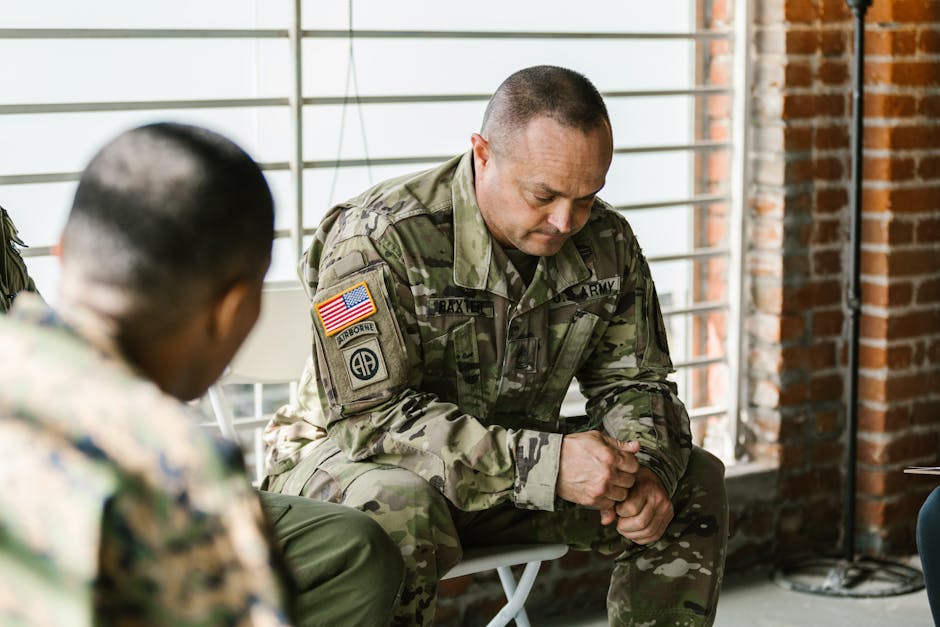
Beyond the Battlefield: Retreats Designed for Veterans’ Mental Health

By Mental Health RetreatNo Comments

veterans retreat depression - retreats for veterans with depression

Retreats for veterans with depression offer specialized, immersive programs designed to address the unique mental health challenges faced by those who have served. These programs combine peer support, evidence-based therapies, and holistic healing approaches in supportive environments away from daily stressors.

Key Features of Veteran Depression Retreats:

  • Duration: 5-7 days to 12-week programs
  • Group Size: 8-16 participants with similar experiences
  • Cost: Many programs are free through donor/grant funding
  • Eligibility: Veterans with PTSD, depression, or trauma diagnoses
  • Approach: Combines traditional therapy with alternative modalities
  • Support: Often includes spouses/partners and post-retreat integration

The invisible wounds of military service run deep. While 7.7% of people may develop PTSD in their lifetime, veterans face additional challenges including traumatic brain injury, moral injury, and the complex transition to civilian life. Depression often accompanies these struggles, creating a cycle that can feel impossible to break.

Traditional weekly therapy sessions, while valuable, may not provide the intensive support needed for profound healing. Over 6,000 veteran suicides occur annually, highlighting the urgent need for comprehensive mental health solutions that go beyond conventional approaches.

Specialized retreats create what many describe as sanctuaries – safe spaces where veterans can step away from daily routines and focus entirely on healing. These programs recognize that the warrior who served deserves warrior-level support in recovery.

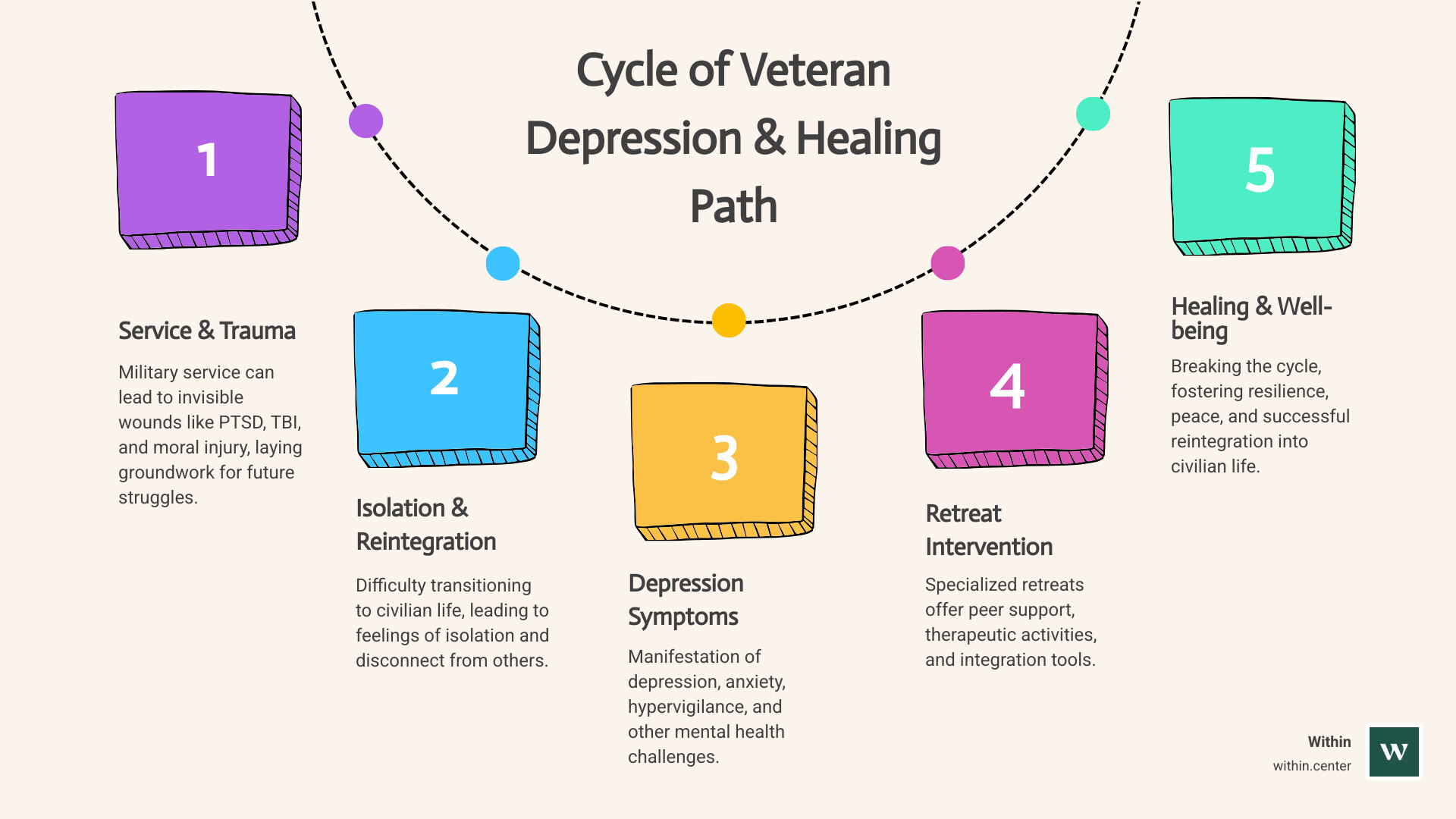
Infographic showing the cycle of veteran depression, starting with military service and trauma, leading to isolation and civilian reintegration challenges, depression symptoms, and how retreat interventions provide peer support, therapeutic activities, and integration support to break the cycle and promote healing - retreats for veterans with depression infographic process-5-steps-informal

Why Choose Specialized Retreats for Veterans with Depression?

When healing from the invisible wounds of service, a specialized retreat offers a unique and powerful environment. It’s not just about getting away; it’s about stepping into a focused space where every element is designed for recovery. These programs understand that the journey back from service can be arduous, and they provide a dedicated path.

One of the most profound benefits is the immediate sense of community. Surrounded by others who truly “get it,” the stigma of seeking help melts away. You’re among fellow warriors who share similar experiences, fostering a camaraderie that is incredibly healing. This shared understanding creates a safe space to open up, process emotions, and realize you are not alone.

Retreats are also grounded in mindfulness and nature. The simple act of slowing down and being present is a powerful antidote to stress. Many programs are nestled in peaceful, natural surroundings, which has been shown to reduce stress hormones and improve mood. Connecting with the environment helps calm the nervous system and provides a sense of peace.

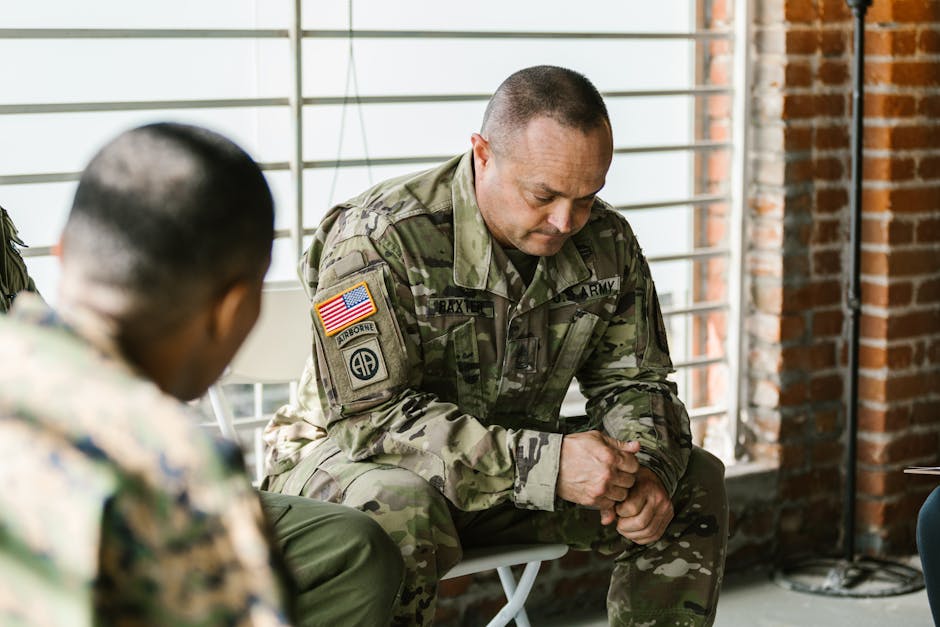
Veterans participating in a group therapy session outdoors - retreats for veterans with depression

Primary Benefits of Veteran Retreats:

  • Peer Support: Connect with others who share similar experiences, reducing feelings of isolation and shame.
  • Shared Understanding: Build camaraderie and trust in a judgment-free environment.
  • Reduced Stigma: Openly discuss challenges without fear of judgment.
  • Nature Therapy: Use natural environments to reduce stress, improve mood, and promote relaxation.
  • Cortisol Reduction: Scientific evidence shows nature’s positive impact on stress hormones.
  • Mindfulness & Slow Living: Learn techniques to decelerate, be present, and manage stress effectively.
  • Focused Healing: Dedicate uninterrupted time to mental health recovery.
  • Holistic Approach: Address mind, body, and spirit for comprehensive well-being.
  • Skill Building: Acquire practical coping strategies and tools for daily life.

Addressing the Unique Scars of Service

Veterans carry unique scars like Post-Traumatic Stress Disorder (PTSD), Traumatic Brain Injury (TBI), and moral injury—a profound wound to the conscience. These invisible wounds contribute significantly to depression. The cumulative effects of combat, loss, and moral injury can lead to chronic stress, hypervigilance, and isolation, making reintegration into civilian life incredibly difficult. Specialized retreats for veterans with depression are designed to address these multifaceted challenges. They provide a sanctuary where the psychological burdens of service are understood and actively addressed through custom therapeutic approaches, offering a pathway to healing and renewed purpose.

How Do Retreats for Veterans with Depression Differ from Traditional Therapy?

While traditional weekly therapy is invaluable, a retreat offers a different, more intensive model for healing. Think of weekly therapy as regular maintenance, while a retreat is a deep, immersive overhaul.

The key difference is the 24/7 supportive environment. Instead of a 50-minute session, you are immersed in a therapeutic setting for days or weeks, allowing for continuous processing and immediate application of new skills. This holistic approach integrates various healing modalities for mind, body, and spirit.

Retreats also emphasize somatic (body-based) healing. While traditional therapy often focuses on cognitive aspects, trauma also impacts the nervous system. Retreats incorporate practices like yoga and meditation to release stored trauma and regulate the nervous system.

Finally, the community aspect is transformative. Living and healing alongside peers who share similar experiences creates a powerful sense of belonging and support that is difficult to find in individual therapy.

Here’s a quick comparison to illustrate the differences:

| Feature | Weekly Therapy | Immersive Retreat Model

What Happens at a Veteran Wellness Retreat?

Walking into a veteran wellness retreat is entering a carefully designed healing environment. It’s not a vacation; it’s a structured, safe space where you can focus entirely on your mental health journey, free from daily stressors. The atmosphere is intentionally supportive, surrounded by peers who understand the weight of service. This shared understanding creates an immediate sense of belonging.

Retreats for veterans with depression operate on the principle that healing happens best through immersion. Days are thoughtfully structured to balance intensive therapeutic work with restorative activities and skill-building. The goal is to build genuine resilience and provide tools that serve you long after you return home, recognizing that recovery requires both professional guidance and personal empowerment.

A veteran participating in an alternative therapy like art therapy or mindfulness meditation - retreats for veterans with depression

Therapeutic Approaches and Activities

The beauty of veteran wellness retreats lies in their comprehensive and holistic approach. They weave together multiple therapies that address the mind, body, and spirit, recognizing that military trauma affects the whole person.

The foundation is evidence-based psychotherapy, including group and individual counseling focused on emotional regulation and healthy communication. This is complemented by somatic (body-based) therapies to help release stored physical tension and reset the nervous system.

Common activities often include:

  • Mindfulness and meditation to foster presence and calm.
  • Yoga and gentle movement to connect breath with the body.
  • Creative therapies like art, music, or writing to express difficult experiences.
  • Nature-based activities, which are proven to reduce stress and improve mood.
  • Nutritional guidance to understand the link between diet and mental clarity.
  • Physical wellness services like massage or acupuncture.
  • Innovative modalities such as equine therapy or sound baths.

For those interested in exploring cutting-edge approaches that integrate these holistic practices with advanced therapeutic methods, more info about Within Center’s psychedelic therapy retreats is available.

The Structure, Duration, and Cost of a Typical Retreat

Most retreats for veterans with depression are intensive, focused experiences lasting 5 to 7 days. Some organizations offer longer formats, such as 12-week programs that begin with a retreat and include ongoing support.

The daily structure balances therapy with restoration, including group sessions, individual activities, shared meals, and skill-building workshops. Group sizes are kept intimate—usually 8 to 16 participants—to ensure personal attention and foster close bonds.

Encouragingly, many programs are completely free to veterans, thanks to donor funding and grants. These programs typically cover lodging, meals, and all activities. Participants are usually responsible for their own travel, though some assistance may be available.

Eligibility requirements are straightforward, generally requiring proof of service (DD-214) and a service-related mental health diagnosis like PTSD or depression. Some programs also have sobriety requirements.

For veterans exploring other mental health treatment options that might require financial planning, resources like CareCredit can help make treatment more accessible. Financing now available!

The commitment to free programming reflects a deep understanding that financial stress shouldn’t prevent any veteran from accessing the healing they’ve earned.

Finding the Right Program: From Application to Aftercare

The journey to healing begins with a single step, but we know that first step can feel overwhelming. Finding the right retreats for veterans with depression doesn’t have to be a solo mission. Think of it as gathering intelligence for the most important operation of your life – your recovery.

A flyer for a veteran retreat program - retreats for veterans with depression

How to Find and Apply for Retreats for Veterans with Depression

Starting your search might feel like navigating uncharted territory, but there’s actually a clear path forward. Most veterans begin with a simple online search using terms like “retreats for veterans with depression” or “PTSD veteran retreats.” You’ll find a wealth of programs, each with their own approach and specialty.

Veteran Service Organizations are your best allies in this search. Major organizations have comprehensive programs – some offer 12-week journeys that begin with intensive five-day retreats, while others provide shorter but equally powerful experiences. Smaller, specialized groups focus on specific healing approaches, from wilderness therapy to creative arts integration.

The VA can also point you in the right direction, even toward programs they don’t directly run. Many VA counselors keep lists of recommended retreat programs and can help you understand which might be the best fit for your specific situation.

When you find a program that resonates with you, the application process is typically straightforward. Most organizations have online forms that ask about your service history, current challenges, and what you hope to gain from the experience. You’ll need proof of service – your DD-214, military ID, or VA Health Care Card will usually do the trick.

Don’t hesitate to pick up the phone and talk to a real person. Program coordinators are there to help, and they can answer questions about everything from daily schedules to what to pack. These conversations often provide the clearest picture of whether a program aligns with your needs and comfort level.

Are There Options for Spouses and Families?

Here’s something that often surprises veterans: many programs actively encourage or even require you to bring your spouse or partner. This isn’t because they don’t trust you to go alone – it’s because they understand that service affects the whole family unit.

Couples retreats recognize that healing happens best together. When both partners learn new communication tools, practice mindfulness techniques, and process experiences in a safe environment, the changes stick. As one military spouse put it, “I haven’t been on the battlefield, but I’ve experienced trauma too.”

Some programs offer family sessions that include children and other loved ones. These create space for family members to understand what you’ve been through, express their own feelings, and learn how to support each other moving forward. It’s about healing the entire family system, not just the individual veteran.

The relationship healing component often becomes one of the most powerful aspects of the retreat experience. Veterans frequently report that learning to reconnect with their loved ones provides motivation and accountability that supports long-term recovery.

What Kind of Post-Retreat Support is Available?

The retreat experience is powerful, but the real change happens when you return home and integrate what you’ve learned into daily life. That’s why aftercare programs are absolutely crucial for lasting change.

Many programs offer structured follow-up support that can last up to 45 weeks. This might include weekly group calls, check-in sessions with counselors, or continued access to program resources. The goal is to help you steer the inevitable challenges that arise when you’re back in your regular environment.

Alumni networks create lasting bonds that extend far beyond the retreat itself. Statistics show that nearly three-quarters of participants in some programs stay in contact with their retreat companions. These peer connections become lifelines – people who truly understand your experience and can offer support when things get tough.

Continued skill practice is where the rubber meets the road. The most successful programs ensure that over 90% of participants continue using at least one coping strategy they learned. Whether it’s daily mindfulness practice, regular nature walks, or the communication techniques from group sessions, these tools become part of your everyday toolkit.

At Within, we’ve learned that profound healing requires ongoing integration support. The insights and breakthroughs from intensive experiences need nurturing and guidance to take root in daily life. This comprehensive approach to aftercare isn’t just helpful – it’s essential for building the foundation of lasting well-being. You can learn more about Why Ketamine Alone Isn’t Enough, and What True Healing Requires.

Frequently Asked Questions about Veteran Depression Retreats

We understand that taking the step toward healing through retreats for veterans with depression can bring up many questions. You’re not alone in wondering about the details, and we’re here to provide clear, honest answers to help you make the best decision for your journey.

What are the success rates for these retreats?

The results from veteran depression retreats are genuinely encouraging, and we want to share what the data shows while being completely transparent about what success looks like. Every veteran’s healing journey is unique, but the patterns we see are consistently positive.

The numbers tell a powerful story. When we look at participants who complete these programs, 86% report a healthier, more positive view of themselves and cite real progress toward personal goals. This isn’t just about feeling better temporarily – it’s about fundamental shifts in how veterans see their own worth and potential.

Relationships often heal alongside the individual. 84% of participants say what they learned helped them develop healthier relationships with spouses, children, friends, and fellow veterans. This ripple effect extends the healing far beyond the retreat itself.

Perhaps most importantly for long-term recovery, over 90% of alumni continue using at least one coping strategy they learned during their retreat experience. These aren’t abstract concepts – they’re practical tools that veterans integrate into daily life, from mindfulness techniques to communication skills.

Real veterans share profound changes. We’ve heard testimonials describing 87% reductions in PTSD symptoms, with participants calling their experiences “eye-opening” and “beneficial for my PTSD and my soul.” Many describe feeling renewed, refreshed, and – crucially – no longer alone in their struggles.

The friendships formed during these retreats often last for years, creating ongoing support networks that continue the healing process long after returning home.

Are there virtual or online retreat options available?

Yes, we recognize that not every veteran can attend an in-person retreat. Geographic distance, health concerns, family responsibilities, or simply feeling more comfortable starting from home can all be valid reasons to seek virtual options.

Several organizations now offer online retreat programs that adapt their core curriculum to a digital format. While these virtual programs can’t replicate the complete immersive experience of being physically present with other veterans, they do provide accessibility and flexibility that can be life-changing for those who need it.

Virtual retreats maintain the community focus that makes these programs so effective. You’ll still connect with other veterans who understand your experiences, participate in group sessions, and learn the same evidence-based coping strategies. The convenience of participating from home can actually make it easier for some veterans to open up and engage fully.

These online options work particularly well for initial engagement or as ongoing support after completing an in-person program. They ensure that more veterans can access crucial mental health support, regardless of their circumstances.

What if I’m in immediate crisis?

If you’re reading this while in crisis, please know that immediate help is available right now. Retreats are designed for healing and growth, not emergency situations. Your safety comes first, always.

Don’t wait – reach out immediately:

The Veterans Crisis Line is your best first resource. Call or text 988, then press 1. You can also chat online at Veterans Crisis Line. This service operates 24/7 with qualified responders who understand veteran experiences. It’s completely confidential.

If you’re in immediate danger, call 911 or go directly to your nearest emergency room. There’s no shame in seeking emergency help – it’s the brave, smart thing to do.

Crisis support is different from retreat support, but both are important parts of the mental health care spectrum. Once you’re stable and safe, retreat programs can provide the deeper, longer-term healing work that helps prevent future crises and builds lasting resilience.

Your life has value, your service mattered, and healing is possible. Please reach out for the immediate support you need right now.

Conclusion: Taking the First Step on Your Healing Journey

The path from military service to civilian life is rarely straightforward, especially when you’re carrying the invisible weight of depression, PTSD, TBI, or moral injury. But here’s what we want you to know: you don’t have to walk this journey alone, and healing is absolutely possible.

Throughout this exploration of retreats for veterans with depression, we’ve seen how these specialized programs create something truly special. They’re not just getaways – they’re sanctuaries where warriors can finally put down their guard and focus entirely on healing. The combination of peer support from those who truly understand, evidence-based therapies that address trauma at its roots, and holistic practices that nurture mind, body, and spirit creates a powerful foundation for change.

The numbers speak volumes about their effectiveness. When 86% of participants report a healthier view of themselves and 84% develop better relationships, we’re witnessing real change. When over 90% continue using coping strategies months after their retreat ends, we’re seeing lasting impact. These aren’t just statistics – they represent thousands of veterans who’ve found their way back to hope and purpose.

Perhaps most importantly, these retreats prove that community truly is medicine. In those group therapy sessions under open skies, in shared meals and quiet conversations, veterans find they’re not broken or beyond help. They’re warriors who deserve warrior-level support in their recovery. The bonds formed in these immersive settings often last for years, creating a network of understanding that extends far beyond the retreat itself.

The integration support and aftercare programs ensure that the profound work done during these retreats doesn’t fade when you return home. Whether it’s ongoing group therapy, alumni networks, or continued skill practice, you’ll have the tools and community to sustain your healing journey.

Taking that first step – reaching out for help, filling out an application, or simply acknowledging that you deserve support – can feel overwhelming. But it’s also the most courageous thing you can do. You’ve already shown incredible bravery in your service; now it’s time to be brave for yourself and your healing.

At Within, we understand the unique challenges veterans face, and we’re committed to supporting your journey toward lasting peace and resilience. Our immersive healing retreats combine the community focus and comprehensive integration support you need with cutting-edge therapeutic approaches. If you’re ready to explore how our holistic approach can support your path to wellness, we invite you to Explore our psychedelic therapy retreats and find what true healing can look like.

Remember: you’ve served with honor, and you deserve to live with peace. The journey ahead holds promise, purpose, and the possibility of profound change.

Heal Your Mind: A Comprehensive Guide to Retreats for Depression

By Mental Health RetreatNo Comments

Retreats to treat depression offer an immersive, holistic healing environment, combining intensive therapy, community support, and wellness practices away from daily stressors. These specialized programs provide 24/7 therapeutic support, mindfulness training, nature activities, and personalized plans for conditions like major depressive disorder, treatment-resistant depression, and co-occurring anxiety or trauma.

Key Benefits of Depression Retreats:

  • Intensive Support: Multiple therapy sessions daily vs. weekly outpatient visits
  • Immersive Environment: 24/7 healing-focused setting away from triggers
  • Holistic Approach: Combines therapy, yoga, meditation, nutrition, and nature activities
  • Community Connection: Shared healing experiences with others facing similar challenges
  • Specialized Programs: Custom for specific depression types (MDD, SAD, postpartum)

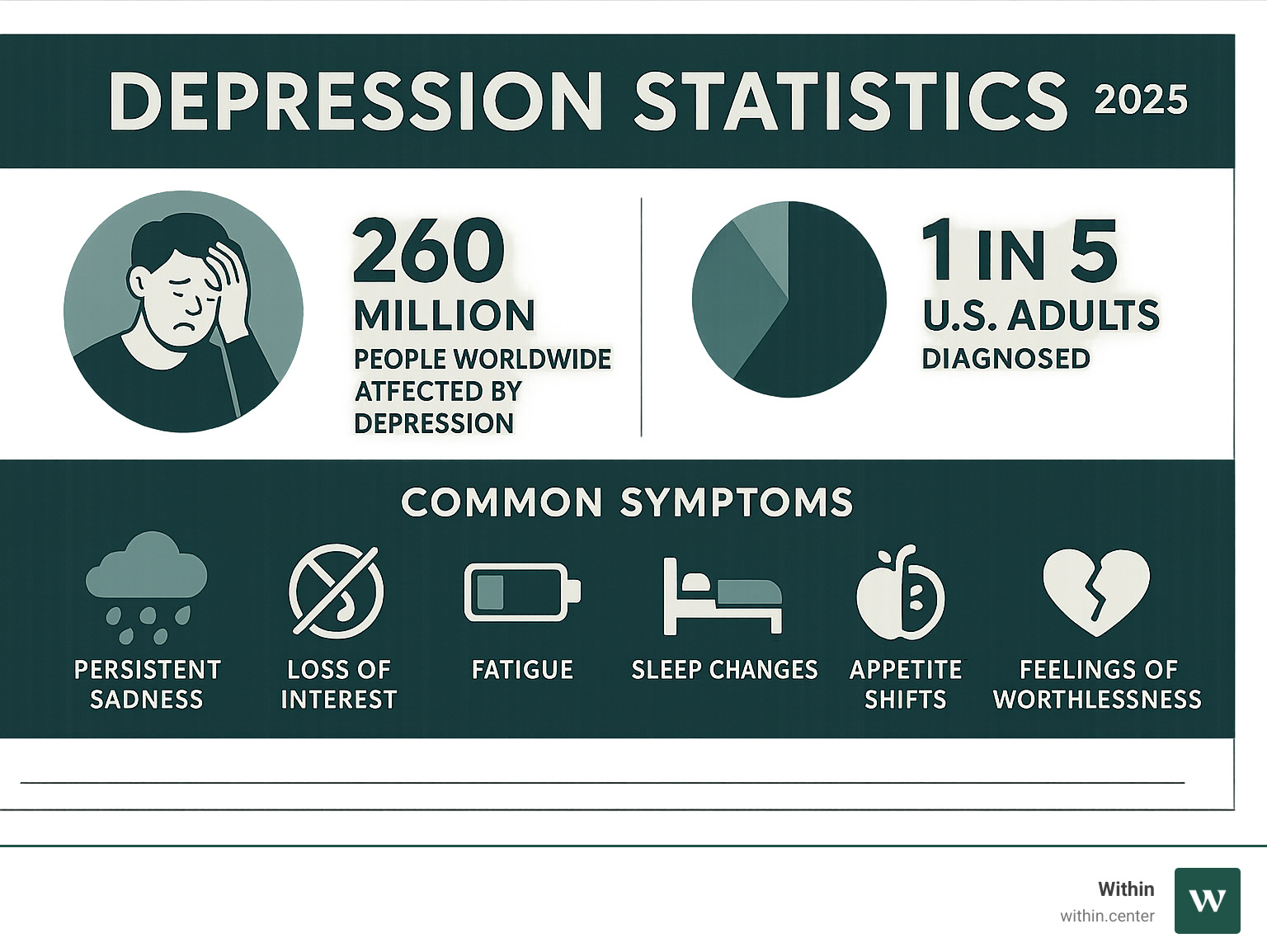
For the more than 260 million people worldwide struggling with depression, daily life can feel overwhelming. When traditional weekly therapy and medication fall short—as they do for 30-50% of those diagnosed—many seek alternative approaches for relief.

This is where depression retreats step in, offering an intensive, supportive environment for profound healing. Unlike outpatient care, these immersive programs address the whole person, not just the symptoms.

As one participant shared: “The retreat was a catalyst for hope and personal growth… It created an accepting, non-judgmental community where I could finally address the root of my depression.”

Infographic showing depression statistics: 260 million people worldwide affected by depression, 1 in 5 US adults diagnosed, 30-50% seeking alternative treatments, with common symptoms including persistent sadness, loss of interest, fatigue, sleep changes, appetite shifts, difficulty concentrating, and feelings of worthlessness - retreats to treat depression infographic

Recognizing the Need: When to Consider a Depression Retreat

Recognizing clinical depression is the first step toward finding help. It’s more than temporary sadness; it’s a persistent condition that can settle over every part of your life. According to the official definition of depression from the National Institute of Mental Health, symptoms must persist for at least two weeks.

Key signs include:

  • Persistent Sadness or Irritability: A constant heavy feeling that doesn’t lift, even during good moments.
  • Loss of Interest (Anhedonia): Activities you once loved now feel overwhelming or pointless.
  • Constant Fatigue: Waking up exhausted even after a full night’s sleep and finding simple tasks draining.
  • Appetite and Weight Changes: Significant shifts in eating habits, leading to weight gain or loss.
  • Brain Fog: Difficulty concentrating, making decisions, or absorbing information.
  • Feelings of Worthlessness: An inner voice that insists you’re a burden or a failure, regardless of reality.

Depression is incredibly common, with one in five U.S. adults reporting a diagnosis, yet each experience feels uniquely isolating.

Traditional therapy isn’t always enough. If you’ve tried weekly therapy or medication without finding relief, it doesn’t mean you’ve failed—it may mean you need a more intensive approach. This is when retreats to treat depression are worth considering. When daily stressors interrupt healing or weekly sessions feel insufficient, an immersive retreat can offer the breakthrough you need.

person looking thoughtfully out a window - retreats to treat depression

How Retreats Offer a Different Path to Healing

While traditional therapy and medication help many, retreats to treat depression offer a different path by allowing you to step away from daily life and focus entirely on healing. Instead of squeezing recovery into a busy schedule, a retreat designs every part of your day to support it.

The differences between retreat-based healing and traditional outpatient care are striking:

FeatureRetreats for DepressionTraditional Outpatient Therapy
FocusHolistic healing, immersion, breaking patterns, self-findySymptom management, coping skills, weekly processing
EnvironmentDedicated, structured, peaceful, away from daily stressorsFamiliar home environment, daily life distractions
IntensityHigh – multiple daily sessions, 24/7 support, comprehensiveModerate – typically one or two sessions per week
DurationShort-term (days to weeks), intensiveLong-term (months to years), ongoing
CommunityBuilt-in peer support, shared experience, communal healingIndividualized, optional support groups outside of sessions

This immersive environment allows you to disconnect from stressors that may fuel your depression—no work emails, household chores, or draining social obligations. The intensive therapeutic support means help is available in real-time, and the community connection breaks through the isolation that depression creates. This holistic focus addresses your mind, body, and spirit.

The unique benefits of an immersive setting

A 24/7 supportive environment provides round-the-clock access to trained professionals, offering real-time guidance through difficult moments. This focused healing time, free from daily interruptions, allows you to explore emotions and process trauma more deeply than is often possible in weekly sessions.

One of the most powerful aspects is breaking daily patterns that keep you stuck. A retreat gently guides you into new, healthier rhythms. This creates the perfect foundation for building new habits—like mindfulness, exercise, or healthier emotional processing—that you can practice in a supportive setting before returning home.

The future of mental health treatment is evolving, with immersive experiences playing an increasingly important role. You can learn more about the future of healing and how innovative approaches are changing mental healthcare.

Inside Look: What Happens at Retreats to Treat Depression

Upon arrival at retreats to treat depression, you’ll find a carefully crafted daily rhythm designed for deep healing. Days typically begin with a nourishing breakfast and connection with peers, followed by intensive therapeutic work. This may include one-on-one therapy and group sessions, where sharing with others who understand your struggle can be incredibly powerful.

Afternoons often feature skill-building workshops to provide practical tools for managing anxiety, improving communication, or coping with difficult emotions. Quiet time for personal reflection is woven throughout the day, allowing new insights to settle. Evenings are more relaxed, with shared meals and gentle activities to help you unwind.

group therapy session in a comfortable, sunlit room - retreats to treat depression

Therapeutic and Holistic Practices Offered

Retreats blend evidence-based therapy with holistic practices to nurture your mind, body, and spirit.

  • Therapeutic Modalities: You’ll likely encounter Cognitive Behavioral Therapy (CBT) to reframe negative thought patterns, Dialectical Behavioral Therapy (DBT) for emotional regulation, Mindfulness-Based Cognitive Therapy (MBCT) to observe thoughts without judgment, and psychodynamic therapy to explore past influences.
  • Holistic Practices: Mindfulness and meditation are daily practices to anchor you in the present. Yoga is another key component; studies show regular practice can significantly reduce depression scores, as detailed in research on yoga for depression. Other offerings often include art and music therapy, nutritional guidance, massage, acupuncture, and daily exercise.

The Powerful Role of Nature in Recovery

The natural environment at most retreats to treat depression is an active partner in your recovery. Guided nature walks and forest bathing (immersing yourself in the forest atmosphere) can quiet an anxious mind and lower stress hormones. Research confirms that time in green spaces reduces depression and anxiety, fostering a sense of connection that counteracts isolation. As one participant noted, “Even in challenging weather, the hikes were surprisingly fun and provided a sense of shared experience.” Nature offers metaphors for resilience while helping you reconnect with your inner resources. Learn more about how connecting with nature benefits mental health.

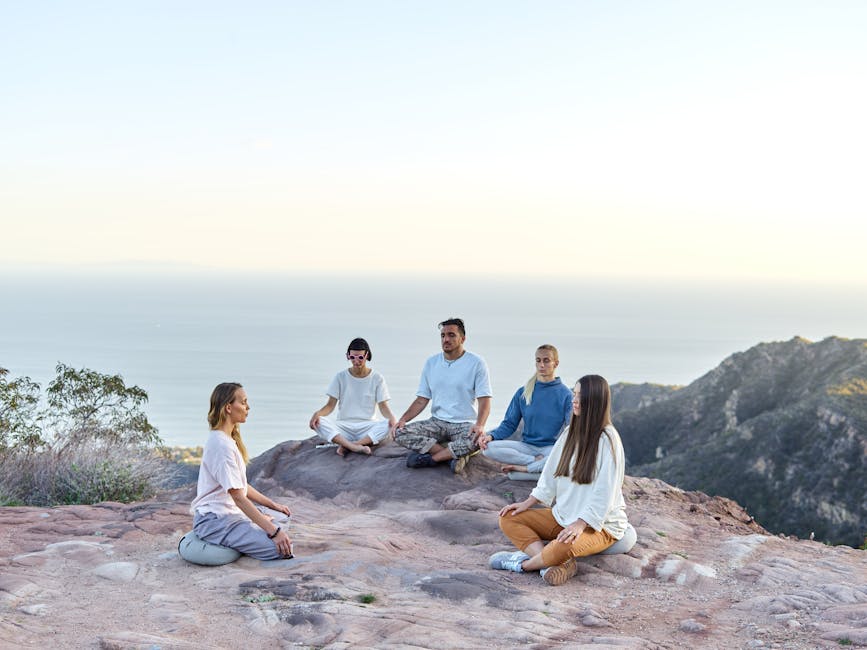
group hiking or meditating outdoors - retreats to treat depression

Addressing Co-Occurring Conditions

Depression rarely exists in a vacuum. It often co-occurs with anxiety or substance use issues. The best retreats to treat depression understand this complexity and offer integrated treatment for “dual diagnosis.” Your treatment plan will address these interconnected conditions simultaneously. For instance, mindfulness and breathwork are effective for both anxiety and depression. For substance use, a retreat provides a safe, sober environment to break the cycle. This comprehensive strategy addresses the root causes of your struggles, not just the symptoms. For more on this, you can explore understanding the importance of the therapy component.

Finding Your Fit: How to Choose and Prepare for a Retreat

Choosing the right retreat to treat depression is a critical step. It’s about finding the program that fits your specific needs.

When researching, consider these factors:

  • Staff Credentials: Ensure the team includes licensed therapists and medical professionals with experience in depression treatment.
  • Therapeutic Philosophy: Does the approach resonate with you? Some retreats focus on traditional therapies like CBT, while others incorporate innovative modalities like psychedelic-assisted therapy.
  • Location and Environment: The setting should feel like a peaceful sanctuary conducive to healing.
  • Program Length: Programs can range from a week to 30 days or more. Be honest about what you need and can manage.
  • Cost and Insurance: Retreats can be a significant investment. While often not covered by insurance, many providers offer financing or can provide a “SuperBill” for potential reimbursement.

Preparing Yourself for the Journey

Once you’ve chosen a retreat, preparation is key.

  • Set Clear Intentions: Reflect on what you hope to gain. Writing down your goals can help you stay focused.
  • Pack Essentials: Bring comfortable clothes, a journal for reflection, and any personal comfort items.
  • Disconnect from Work: Arrange for time off and leave work devices behind. True immersion requires protecting this sacred time.
  • Communicate Your Needs: Be transparent with the provider about medications, dietary needs, and any specific triggers.
  • Be Emotionally Open: A willingness to be vulnerable and curious is essential for growth. It’s natural to feel nervous; try to accept it as part of the process.

At Within, we understand this is a deeply personal decision. To learn more about the experts who will guide you, we invite you to meet our expert team.

Are there specific retreats to treat depression types like MDD or SAD?

Yes, many retreats offer specialized programs for different types of depression.

  • Major Depressive Disorder (MDD): Retreats provide intensive psychotherapy (CBT, DBT) in a structured environment to help stabilize mood.
  • Seasonal Affective Disorder (SAD): Programs in sunny locations often incorporate light therapy and outdoor activities.
  • Postpartum Depression: Specialized retreats offer support custom to the unique hormonal and emotional challenges of new mothers.
  • Persistent Depressive Disorder (Dysthymia): The immersive environment is ideal for shifting the long-standing negative patterns of this chronic condition.
  • Treatment-resistant depression: When other treatments fail, specialized retreats may offer innovative approaches like TMS or ketamine therapy under strict medical supervision.

These programs understand the lived experience of each condition, creating an environment where you can heal alongside others who truly get it. At Within, we believe in innovative approaches. Explore our unique approach to depression to see how our programs are designed for various forms of depression.

The Journey Forward: Benefits and Life After a Retreat

The benefits of retreats to treat depression extend far beyond your stay, often unfolding most profoundly once you return home. Many participants describe the experience as a turning point, with more than 90% of participants report lasting mental health benefits from these immersive experiences.

Key long-term benefits include:

  • Renewed Hope: Participants often arrive feeling hopeless but leave with a powerful belief that healing is possible. One described arriving as a “depressed self pitying wretch” and leaving “totally changed” with a genuine sense of joy.
  • Improved Coping Skills: You’ll leave with a toolkit of practical strategies—mindfulness, breathing exercises, cognitive tools—to manage stress and difficult emotions in daily life.
  • New Perspectives: Stepping away from your usual environment allows you to see yourself, your relationships, and your challenges with fresh eyes.
  • Reduced Symptoms & Stronger Self-Worth: Beyond improved mood and energy, the supportive environment helps you remember who you are beneath the depression.
  • Community Connections: The bonds formed with peers often become a lifelong support network.

Why Aftercare and Integration Are Crucial for Lasting Change

The retreat is just the beginning. The real work of integration—weaving new insights and skills into your daily routine—is essential for lasting change. Without it, even profound experiences can fade.

Key components of successful integration include:

  • Continuing Therapy: Regular sessions with a therapist bridge the gap between the retreat and real-world application of your new skills.
  • Support Groups: Ongoing connection with peers who understand your journey reminds you that you’re not alone.
  • Applying New Skills: Consciously choosing new responses over old patterns is what makes the change stick.
  • Relapse Prevention Planning: Working with a therapist to identify triggers and create a plan provides a safety net for your ongoing wellness.

Integration ensures the healing you experienced becomes a permanent part of who you are. The journey continues long after the retreat ends, leading to sustained growth and wellness. To understand more about this crucial work, read why the work continues after a breakthrough.

Conclusion: Take the First Step on Your Path to Wellness

The journey through understanding retreats to treat depression leads to a powerful truth: healing is possible, and you don’t have to do it alone.

We’ve seen how these immersive programs offer a fundamentally different approach from weekly therapy. By providing a 24/7 supportive environment, they allow you to step away from daily stressors and truly heal. The blend of evidence-based therapies with holistic practices like yoga and meditation addresses the whole person, while the power of community reminds you that you are not broken.

These retreats are especially valuable for their ability to address co-occurring conditions like anxiety or substance use. Most importantly, the work doesn’t stop when you leave. The tools and insights gained become the foundation for lasting change through dedicated integration and aftercare.

If this resonates with you, know that taking the first step is an act of courage. Depression can feel overwhelming, but a path back to joy and purpose exists.

At Within, we know that true healing requires addressing the whole person in a supportive, nurturing environment. Our immersive programs at AWKN Ranch near Austin, Texas, combine ketamine-assisted therapy with holistic practices, all supported by a caring community.

The path forward starts now. You’ve already begun by learning about your options.

Explore our Psychedelic Therapy Retreats to begin your journey.

How to Choose the Right Mental Health Retreat for You

By Mental Health RetreatNo Comments

A mental health retreat is an immersive healing program that combines therapy, wellness activities, and community support in a therapeutic environment away from daily stressors. These retreats typically last 3-21 days and offer:

  • Intensive therapy sessions with licensed professionals
  • Holistic healing modalities like yoga, meditation, and somatic work
  • Peer support in small group settings
  • Natural, peaceful environments that promote healing
  • 24/7 therapeutic support and medical supervision when needed

“It is ok to prioritize your wellness, you deserve it,” reminds us that seeking help isn’t selfish—it’s essential.

The mental wellness industry is booming for good reason. The global mental wellness market was valued at $130.4 billion in 2022 and is projected to reach $267.2 billion by 2032—a clear sign that more people are recognizing the power of immersive healing experiences.

Unlike traditional weekly therapy, mental health retreats remove you from daily triggers and distractions. They create a safe container where you can dive deep into healing work with the support of trained professionals and like-minded peers.

Whether you’re struggling with chronic anxiety, treatment-resistant depression, trauma, or burnout, these retreats offer something traditional therapy often can’t: complete immersion in your healing journey.

Infographic showing the four key components of mental health retreats: intensive therapy sessions with licensed professionals, holistic healing activities including yoga and meditation, supportive peer community in small groups, and natural healing environments away from daily stressors - Mental health retreat infographic mindmap-5-items

Why Choose a Mental Health Retreat Over Traditional Therapy?

group therapy session - Mental health retreat

If you’re weighing your options for mental health support, you’ve probably thought about traditional weekly therapy first. And that makes sense—it’s what most of us know. But here’s the thing: a mental health retreat offers something fundamentally different that can transform your healing journey in ways that weekly sessions simply can’t match.

The magic happens in the immersive environment. Picture this: you step away from your daily chaos—the endless emails, the household stress, the constant ping of notifications. Suddenly, you’re in a space designed entirely for your healing. This focused healing approach means you can dive deep without the usual distractions pulling you back to surface-level coping.

In traditional therapy, you might spend the first ten minutes of each session just catching your therapist up on the week’s drama. At a retreat, you’re already immersed. You can explore patterns and breakthrough moments that might take months or even years to uncover in weekly sessions.

What makes retreats truly special is their holistic approach. Instead of just talking through your challenges, you’re engaging your whole self in the healing process. Your mind-body-spirit connection gets the attention it deserves. You might start your day with yoga, process emotions in group therapy, learn about nutrition’s impact on mental health, and end with meditation under the stars.

This comprehensive care recognizes something important: mental health isn’t just about what’s happening in your head. It’s about how you move through the world, how you nourish yourself, and how you connect with others.

Speaking of connection, this is where retreats really shine. The community and connection you’ll find at a retreat can be life-changing. You’re surrounded by people on similar healing journeys—people who get it. There’s something incredibly powerful about sharing your story and realizing you’re not alone in your struggles.

As we explore in The power of connection in healing, this peer support becomes a catalyst for change. When you witness others’ breakthroughs, it opens up possibilities you might never have imagined for yourself.

Some retreats are also pioneering cutting-edge approaches like psychedelic-assisted therapy. The Future of Healing explores how these innovative treatments can create profound shifts for conditions that haven’t responded to traditional approaches. The supportive, immersive setting of a retreat provides the ideal container for these powerful healing experiences.

Here’s how the two approaches compare:

FeatureMental Health RetreatWeekly Therapy
FocusHolistic healing, deep dive, intensive changeSpecific issues, ongoing support, coping mechanisms
DurationDays to weeks (e.g., 3-21 days)Weekly or bi-weekly sessions, ongoing
IntensityImmersive, concentrated, removes daily distractionsStructured, regular, integrated into daily life
EnvironmentSafe, healing, often natural, community-orientedClinical, private office, individual-focused
Cost StructureAll-inclusive package (accommodation, meals, therapy)Per session, often billed through insurance

The choice isn’t necessarily either-or. Many people find that a mental health retreat provides the breakthrough they need, which they then build upon with ongoing therapy. Think of it as jumpstarting your healing journey with an intensive, transformative experience that sets the foundation for lasting change.

What Types of Mental Health Retreats Are Available?

collage of retreat activities - Mental health retreat

When it comes to mental health retreats, there’s no one-size-fits-all approach—and that’s exactly how it should be. Just like we all have different favorite comfort foods or ways to unwind after a long day, our healing journeys are beautifully unique. The good news is that the retreat world has evolved to meet this diversity, offering specialized programs for virtually every type of mental health challenge.

Think of it as finding the right key for your particular lock. Some of us need gentle, nurturing support to recover from burnout, while others require intensive trauma work or specialized addiction support. Let’s explore the different types of retreats available, so you can find the one that speaks to your heart and meets your specific needs.

Holistic and Wellness Retreats

If you’re feeling like life has been running you ragged, holistic and wellness retreats might be your perfect starting point. These programs focus on overall well-being, stress reduction, and helping you recover from the kind of burnout that makes you feel like you’re running on empty.

Picture yourself starting your day with gentle yoga as the sun rises, followed by meditation sessions that actually teach you how to quiet that racing mind. These retreats often include mindfulness practices that help you stay present instead of worrying about tomorrow’s to-do list, plus nutrition workshops that show you how food can be medicine for both body and mind.

One of the most powerful elements is nature immersion. There’s something almost magical about stepping away from concrete and screens and remembering what it feels like to breathe deeply under an open sky. These retreats are perfect for anyone dealing with general stress, feeling overwhelmed by daily life, or simply seeking some serious self-findy time.

Trauma-Informed Retreats

For those carrying the weight of difficult past experiences, trauma-informed retreats offer a specialized sanctuary for healing. These programs focus specifically on healing from PTSD, childhood trauma, and grief and loss—the kinds of wounds that often require extra care and expertise.

What makes these retreats special is their use of somatic experiencing-inspired approaches. This means they understand that trauma isn’t just stored in our minds—it lives in our bodies too. Through gentle group processing sessions, participants find they’re not alone in their experiences, which can be incredibly validating and healing.

The key feature that sets these programs apart is their commitment to trauma-informed care. This means every single interaction—from how staff greet you in the morning to how activities are structured—is designed with your safety and healing in mind. You can learn more about trauma-informed care and why this approach makes such a difference.

Addiction Recovery Support Retreats

Addiction touches not just the person struggling, but their entire circle of loved ones. These specialized retreats focus on addressing underlying causes of both substance use and process addictions—because true recovery goes much deeper than just stopping the behavior.

The approach typically weaves together behavioral therapies, family support, and various wellness activities. These retreats understand that addiction often stems from deeper pain or unmet needs, so they work to heal those root causes while building healthier coping strategies.

Whether someone is dealing with alcohol use, drug dependency, or process addictions like compulsive behaviors around food, shopping, or technology, these programs offer hope and practical tools for lasting recovery.

Psychedelic-Assisted Therapy Retreats

This is where healing meets cutting-edge science, offering hope for those who’ve felt stuck despite trying many traditional approaches. These retreats focus on facilitating deep therapeutic breakthroughs and are particularly effective for treating resistant conditions that haven’t responded well to other treatments.

At Within, we specialize in ketamine-assisted therapy, which works by promoting neuroplasticity—essentially helping your brain become more flexible and able to form new, healthier patterns. It’s like giving your brain a gentle reset that makes therapy deeper and more effective.

The benefits can be profound, especially for treatment-resistant depression, PTSD, and anxiety. Many people describe their experience as finally finding a key that open ups doors that have been stubbornly closed for years. You can read more about The Ketamine Therapy Experience and how this innovative approach is changing lives.

What makes our approach unique is the comprehensive support system—it’s not just about the therapy itself, but about helping you integrate these insights into lasting change in your daily life.

How to Choose the Right Mental Health Retreat for You

person journaling in nature - Mental health retreat

Finding the right mental health retreat is like finding a key that perfectly fits a lock – it needs to match your unique needs and circumstances. With so many options out there, the choice might feel overwhelming at first. But here’s the good news: by asking yourself the right questions, you can find a retreat that truly supports your healing journey.

Assess Your Needs and Goals

Before you start browsing retreat websites, take a quiet moment with yourself. What’s really driving you to seek this experience? Maybe you’re dealing with chronic anxiety that traditional therapy hasn’t quite touched. Perhaps you’re carrying trauma that feels too heavy to bear alone. Or maybe you’re simply burned out and need a complete reset.

Defining your ‘why’ is the foundation of everything else. Are you hoping to address depression, anxiety, PTSD, or something else entirely? The more honest you can be with yourself about what you’re facing, the better you’ll be able to find a retreat that specializes in your specific needs.

Look for retreats that offer personalized care starting with a comprehensive assessment process. The best programs don’t use a one-size-fits-all approach. Instead, they take time to understand your unique situation, your history, and your goals. This thorough evaluation ensures that the retreat’s specialty aligns with what you’re dealing with – whether that’s treatment-resistant depression, complex trauma, or the need to develop better coping strategies.

This assessment isn’t just about checking boxes. It’s about creating a roadmap for your healing that’s as unique as you are.

Evaluate the Program and Staff

Once you’re clear on your needs, it’s time to look under the hood of potential retreats. What therapeutic modalities do they offer? You’ll want to research whether their approaches resonate with you and have solid evidence behind them.

Some retreats focus on traditional methods like cognitive-behavioral therapy (CBT) or dialectical behavior therapy (DBT). Others might offer somatic approaches that work with trauma stored in the body. And cutting-edge programs might include Psychedelic Therapy, which can offer profound breakthroughs for conditions that haven’t responded well to other treatments.

Staff credentials matter tremendously. Who will be guiding you through this vulnerable time? Look for retreats with licensed therapists, medical doctors, and experienced facilitators. These aren’t just resume requirements – they’re your safety net. You want to know that the people supporting you have both the training and the heart to hold space for your healing.

Pay attention to the program structure too. The most effective retreats create a balanced rhythm of intensive therapy sessions, wellness activities, and essential rest time. Healing isn’t a sprint – it’s more like a dance that requires both movement and stillness. You want a program that challenges you to grow while also giving you space to process and integrate what you’re learning.

Consider the Logistics of a Mental Health Retreat

The practical details might seem less exciting than the therapy itself, but they can make or break your experience. Let’s be real – if you’re not comfortable with the basics, it’s hard to do the deep work.

Location plays a bigger role than you might think. Do you feel called to a serene, natural setting where you can hear birds instead of traffic? Many people find that being surrounded by nature – whether it’s rolling hills, peaceful lakes, or wide-open skies – helps them feel more grounded and open to healing. On the other hand, maybe you prefer the convenience and accessibility of an urban center.

Duration is another key consideration. Are you looking for a weekend reset that fits into your busy schedule, or do you have the time and space for a deeper dive? Weekend retreats (3-5 days) can offer a powerful jumpstart to your healing journey. But if you’re dealing with complex issues or want to create lasting change, longer programs (7-21+ days) might give you the time you need to really transform old patterns.

Think about group size and your comfort level with sharing. Some people thrive in intimate small groups where they can form deep connections and feel truly seen. Others feel more comfortable in larger communities where they can participate at their own pace. Neither is right or wrong – it’s about knowing yourself and what feels safe for you.

The logistics aren’t just details to figure out – they’re part of creating the container where your healing can unfold. When everything else feels right, you’re free to focus on the real work of change.

The Practicalities: Cost, Preparation, and Long-Term Benefits

Let’s talk about the nitty-gritty details that everyone wonders about but sometimes feels awkward asking. Starting on a mental health retreat is one of the most meaningful investments you can make in yourself, but like any significant decision, it helps to know what you’re getting into—financially, emotionally, and practically.

What is the Typical Cost of a Mental Health Retreat?

The honest answer? Mental health retreat costs vary dramatically, and there’s no one-size-fits-all price tag. Think of it like hotels—you can find everything from budget-friendly options to luxury experiences, each offering different levels of service and amenities.

Generally speaking, you might see prices ranging from a few hundred dollars for shorter, basic programs to several thousand for comprehensive, multi-week experiences. The price typically reflects the duration (a weekend reset versus a three-week deep dive), location (a simple retreat center versus a luxury ranch), group size (intimate groups of 6 versus larger communities), and most importantly, the intensity and comprehensiveness of care you’ll receive.

Here’s what’s usually rolled into that price: your accommodation (often in beautiful, peaceful settings), all your meals (frequently organic and custom to dietary needs), individual and group therapy sessions, wellness activities like yoga or meditation, and medical supervision when needed. It’s truly an all-inclusive healing experience.

Now, let’s address the elephant in the room—financial accessibility. We know cost can feel like a barrier, and that’s exactly why many retreats work hard to offer options. Some private insurance plans cover portions of mental health treatment, especially when programs include licensed therapists and medical supervision. It’s always worth checking with both the retreat center and your insurance provider for a free verification.

Many centers also offer financing options like Care Credit, which can break down the investment into manageable monthly payments. Because here’s the thing—this isn’t just an expense, it’s an investment in your future well-being, relationships, and quality of life.

How to Prepare for Your Retreat

Preparing for your mental health retreat is like getting ready for the most important conversation you’ve ever had with yourself. It’s exciting, maybe a little nerve-wracking, and definitely worth doing thoughtfully.

Mental preparation is where the real work begins, even before you arrive. Take some time to set clear intentions—what do you hope to find about yourself? What patterns are you ready to change? What would healing look like for you? There’s no wrong answer, but having some sense of your “why” will help you show up more fully.

We can’t stress this enough: be open to the process, even when it feels uncomfortable. Healing isn’t always pretty or linear, and that’s completely normal. Journaling in the weeks leading up to your retreat can be incredibly helpful. It’s like warming up before exercise—you’re gently preparing your mind and heart for the deeper work ahead.

On the practical side, pack essentials that will support your comfort and healing. Think comfortable clothes for both movement and relaxation, a journal, any personal medications, and maybe a few items that bring you comfort. Don’t forget to arrange time off from work and handle your responsibilities at home. The goal is to arrive knowing everything is taken care of, so you can fully focus on yourself.

Here’s something that might feel challenging but is absolutely crucial: preparing to unplug from technology. We know, we know—it feels scary in our hyperconnected world. But this digital detox isn’t punishment; it’s a gift. Without the constant ping of notifications and the pressure to stay “on,” you create space for deeper introspection and authentic connection with yourself and others.

Ensuring Long-Term Recovery After Your Retreat

Here’s where we get real about something crucial: the retreat itself is just the beginning. Think of it as planting seeds—the real growth happens when you return home and tend to what you’ve finded.

Integration support is absolutely the most critical component for lasting change, and it’s something we’re passionate about at Within. Without proper integration, even the most profound retreat insights can fade like a beautiful dream. That’s why comprehensive support for weaving your new understanding into daily life is non-negotiable.

The magic happens in continuing care—having a solid aftercare plan, connecting with alumni groups for ongoing peer support, and scheduling follow-up therapy sessions. As we explore in Why therapy is crucial for healing, the therapeutic relationship and ongoing support extend far beyond any single experience.

Most importantly, it’s about applying your new skills in real life. This means consciously practicing the coping mechanisms you learned when stress hits, using those mindfulness techniques during your morning commute, and implementing the emotional regulation tools when old triggers arise.

The goal isn’t perfection—it’s progress. It’s about taking the profound lessons from your retreat and letting them guide you toward a more resilient, fulfilling, and authentic way of living. Because that’s what real healing looks like: not a one-time event, but an ongoing journey toward becoming more fully yourself.

Conclusion: Your Journey to Healing Starts Here

As we reach the end of our exploration together, it’s worth taking a moment to reflect on what we’ve finded. A mental health retreat isn’t just another wellness trend or luxury getaway—it’s a profound investment in your well-being that can genuinely change the trajectory of your life.

Throughout this guide, we’ve seen how these immersive experiences offer something that traditional weekly therapy often can’t: complete removal from daily stressors, intensive therapeutic support, and the healing power of community connection. We’ve explored the different types available, from holistic wellness retreats perfect for burnout recovery to specialized trauma-informed programs and cutting-edge psychedelic-assisted therapy options.

The key takeaway here is simple but powerful: the right retreat offers a unique opportunity for deep, immersive healing that addresses your mind, body, and spirit as one interconnected system. Whether you’re struggling with treatment-resistant depression, seeking relief from chronic anxiety, or simply feeling stuck in patterns that no longer serve you, there’s likely a retreat designed specifically to support your journey.

What makes this approach so transformative is the combination of expert therapeutic guidance, supportive community, and natural healing environments all working together. It’s like having all the pieces of the healing puzzle in one place, allowing you to dive deeper into your work than you might ever thought possible.

The path forward doesn’t have to be overwhelming or uncertain. If you’re feeling called to explore this transformative approach to healing, we’re here to support you every step of the way.

If you’re seeking a transformative experience that combines expert therapeutic guidance with the healing power of community and nature, we invite you to explore a psychedelic therapy retreat in Austin. Our AWKN Ranch near Austin, Texas, offers an immersive, live-in retreat experience with ketamine-assisted therapy, comprehensive integration support, and a strong community focus—all designed to foster your complete well-being.

Your journey to healing starts with a single step. And that step might just be the most important one you ever take.

The Best Mental Health Wellness Retreats

By Mental Health RetreatNo Comments

A mental health wellness retreat offers an immersive, intensive healing experience that combines evidence-based therapy with holistic practices in supportive, natural environments. Unlike traditional outpatient therapy, these retreats provide 24/7 structured support, personalized treatment plans, and a complete break from daily stressors to accelerate mental health recovery.

Quick Guide to Mental Health Wellness Retreats:

  • Duration: 3 days to 8+ weeks depending on program intensity
  • Cost Range: $600 – $4,000+ for shorter programs
  • Common Treatments: CBT, DBT, EMDR, mindfulness, yoga, nature therapy
  • Best For: Treatment-resistant depression, anxiety, PTSD, burnout, life transitions
  • Key Benefit: Intensive, focused healing away from daily triggers

The numbers tell a stark story about our mental health crisis. Depression affects over 17 million Americans, making it the second most common mental health disorder. Anxiety disorders impact more than 40 million Americans annually, yet many find traditional weekly therapy sessions insufficient for breakthrough healing.

As one retreat guest shared: “They do an incredible job–from the moment we land–of this liftd hospitality. So there is always an element of feeling that I am supported, that I am held. That there are people wanting to take care of me.”

When daily life becomes overwhelming and traditional therapy feels stuck, a mental health wellness retreat offers something different. It’s an investment in profound healing that goes beyond managing symptoms to address root causes and create lasting change.

Infographic showing three columns comparing Vacation (leisure activities, relaxation, temporary escape), Wellness Retreat (structured self-care, mindfulness practices, moderate therapeutic benefit), and Mental Health Retreat (intensive therapy, clinical support, trauma processing, personalized treatment plans, integration support) - Mental health wellness retreat infographic pillar-3-steps

Why Choose a Mental Health Wellness Retreat Over Traditional Therapy?

Trying to heal while immersed in the daily chaos that fuels your struggles can feel counterproductive. That’s where a mental health wellness retreat offers a different path. Instead of squeezing healing into hour-long sessions, it creates a protective bubble for your recovery.

By stepping away from your usual environment—free from work emails, household chores, and familiar triggers—you enter an immersive environment designed for breakthrough healing. This isn’t about escaping problems, but creating the ideal conditions to solve them.

Free from daily fire-fighting, you can focus on deeper work. Breaking daily routines that keep you stuck becomes easier when you’re removed from them. This allows for focused healing, where you dive straight into meaningful work instead of recapping the week’s events. This fosters a deeper connection with yourself and the therapeutic process.

What truly sets retreats apart is the community support from others on similar journeys and the 24/7 support structure. Help is always available, whether you’re processing trauma late at night or have a breakthrough during meditation. This continuous support catches crucial moments that weekly check-ins can miss.

FactorMental Health RetreatTraditional Outpatient Therapy
IntensityHigh; immersive, multi-day, structured programModerate; typically 1-2 sessions per week
EnvironmentDedicated, supportive, often natural/serene settingFamiliar home/office environment, daily stressors remain
Time CommitmentFull-time; days to weeks, living on-sitePart-time; hours per week, fitting into daily schedule
Support Structure24/7 access to staff and peer community, structured activitiesWeekly scheduled sessions, self-management between sessions

Signs You Might Benefit from a Retreat

Sometimes the signs are whispers. Other times they’re screaming sirens. Here’s what we often hear from people who find their way to retreats:

Feeling stuck: You’ve been in therapy for a while, but it feels like you’re spinning your wheels, facing the same issues without making progress.

Persistent burnout: You’re experiencing a bone-deep exhaustion that rest can’t fix, making even small tasks feel overwhelming.

Overwhelmed by stress: Your stress levels are chronically high, affecting your health, sleep, and relationships, and your usual coping strategies aren’t working.

Life transitions: You’re navigating a major life change—like a divorce, job loss, or grief—and need more support than weekly therapy can offer.

Traditional therapy plateau: You feel you’ve stopped making progress in your current therapy and may need a different approach to break through.

Needing new coping skills: Your old strategies are no longer effective, or you need to learn healthy ways to cope for the first time.

If any of this resonates, you might benefit from the deeper, more intensive approach that a retreat offers. For those curious about innovative healing approaches, you can learn more about healing through awe and connection.

The Core Benefits of a Dedicated Healing Space

A group therapy session in a comfortable, sunlit room, with participants engaged in discussion and reflection - Mental health wellness retreat

There’s something almost magical about stepping into a space designed entirely for healing. It’s like the difference between trying to meditate in your cluttered bedroom versus a peaceful temple.

Mental clarity: By removing daily distractions and decision fatigue, your mind can quiet down, allowing you to hear your own thoughts.

Emotional regulation: A safe, non-triggering environment makes it easier to learn and practice new emotional skills before returning to daily life.

Building resilience: Dedicated time allows you to integrate new tools until they become second nature, making them more effective than skills learned in a single hour-long session.

Acquiring new tools: Learning is immersive, not theoretical. You’ll practice new skills like yoga, breathwork, and mindfulness throughout the day.

Lasting change: Immersing yourself in new, healthy habits for an extended period makes them more likely to stick than practicing them for just an hour a week.

Holistic well-being: Retreats treat the whole person, understanding that mental health is connected to physical and spiritual wellness.

Disconnecting to reconnect: Stepping away from external roles and expectations gives you the space to find yourself again.

What to Expect: A Look Inside Retreat Programs and Therapies

When you arrive at a mental health wellness retreat, you enter a space designed for your healing. A quality retreat creates personalized treatment plans based on a thorough assessment, crafting a program for your unique needs. It’s about finding your own path.

Retreats are powerful because they honor the mind-body-spirit connection, recognizing that emotional distress manifests physically and spiritually. They weave together evidence-based therapies with holistic practices to nourish every part of you.

A typical day might blend individual therapy, yoga, and group discussions, with each activity building on the others. Common retreat activities include therapy, mindfulness, yoga, nature walks, nourishing meals, and creative workshops. These elements work together to build a healing momentum that’s difficult to achieve in weekly therapy.

Evidence-Based and Clinical Therapies

The clinical foundation of any solid mental health wellness retreat rests on therapies that science has proven effective. These aren’t experimental approaches—they’re time-tested methods that have helped millions of people reclaim their lives.

Cognitive Behavioral Therapy (CBT) helps you identify, question, and replace negative thought patterns with more realistic, compassionate perspectives.

Dialectical Behavior Therapy (DBT) teaches practical skills to manage intense emotions, improve relationships, and stay grounded when life feels chaotic.

For trauma, EMDR (Eye Movement Desensitization and Reprocessing) helps the brain process difficult memories so they lose their emotional sting. One guest shared it resolved their underlying trauma, improving sleep and calming their nervous system.

Somatic experiencing addresses trauma stored in the body. Through gentle awareness practices, you learn to release tension and complete stuck fight-or-flight responses.

Group therapy fosters healing through shared understanding, while individual counseling provides a safe, private space to explore your deepest concerns.

For those seeking innovative approaches, some retreats incorporate advanced treatments. At Within, we offer psychedelic therapy administered by trained professionals in a supportive setting. These cutting-edge modalities can create profound shifts in perspective, especially for treatment-resistant conditions.

Holistic and Experiential Approaches

Beyond traditional therapy, mental health wellness retreats accept practices that heal the whole person. These approaches, blending ancient wisdom with modern science, often create the “aha moments” that change everything.

A yoga class overlooking a serene natural landscape, with participants in various poses - Mental health wellness retreat

Mindfulness and meditation teach you to observe your thoughts calmly, while yoga uses movement and breath to reconnect you with your body.

Breathwork uses conscious breathing techniques to calm the nervous system and release stored emotions, with surprisingly powerful results.

Nature therapy, or “forest bathing,” uses the healing power of nature to reduce stress. Hiking or simply being in nature can lower stress hormones and put things in perspective.

Art therapy allows you to express what words can’t capture through painting, sculpting, or writing, encouraging authentic expression.

Sound healing uses vibrations from instruments to induce deep relaxation. Some retreats also offer sensory deprivation float tanks for a complete nervous system reset.

These practices aren’t just feel-good additions—they’re essential parts of healing that help bridge the gap between mind, body, and spirit. At Within, we’ve seen how combining innovative treatments like ketamine therapy with these holistic approaches creates lasting change that goes far beyond symptom relief.

How to Choose the Right Mental Health Retreat for Your Needs

Finding the right mental health wellness retreat is a deeply personal journey. What works for one person might not for another, so start with an honest self-assessment. Reflect on your current challenges: Are you feeling stuck, dealing with trauma, or simply exhausted?

Get clear on your goals, whether it’s learning new coping skills, processing a difficult experience, or refinding yourself.

Once you know what you need, start researching specialties. Look for retreats that have experience with your specific challenges. Reading testimonials from people with similar struggles can provide insight, but also try to understand the philosophy of each retreat. Does their clinical, holistic, or blended approach resonate with you?

One crucial element to look for is comprehensive integration support. The real test of a retreat’s value comes when you return to daily life. Ongoing guidance is what transforms a powerful experience into lasting change. For deeper insight into why this matters so much, explore the importance of integration support.

Finding a Mental Health Wellness Retreat for Specific Conditions

Many people come to a mental health wellness retreat because they’re struggling with something specific, and they need more intensive support than weekly therapy can provide.

When addressing anxiety, look for programs combining CBT and EMDR with calming practices like breathwork and meditation. The best retreats integrate mind-body approaches to teach practical tools and calm the nervous system.

For healing from trauma, a safe, trauma-informed environment is essential. Seek programs with specialized therapies like EMDR and somatic experiencing, delivered by qualified therapists. Some offer support for specific groups like first responders.

To manage clinical depression, an intensive retreat can be a catalyst for breakthroughs. Look for programs combining evidence-based therapies like CBT and DBT with supportive activities, nutrition, and community, like those for clinical depression.

For coping with grief, find a retreat offering compassionate counseling and group support. They should provide a safe space to process emotions without rushing the healing process.

To overcome burnout, seek programs that address its root causes, teach sustainable stress management, and help you reconnect with your values to prevent future burnout.

The Role of Personalized Care and Natural Environments

A truly transformative mental health wellness retreat combines individualized plans with a healing environment. The best programs create a custom experience based on a thorough assessment, tailoring therapies and practices to your unique goals.

A therapist having a one-on-one conversation with a guest outdoors, surrounded by lush greenery - Mental health wellness retreat

The restorative power of nature is also key. Serene settings like forests or mountains are proven to reduce stress and calm the nervous system.

Outdoor activities like meditation or therapy are active parts of healing. Nature grounds you and provides the peace needed for improved self-growth and reflection.

Finding Your Ideal Mental Health Wellness Retreat Focus

To narrow your options, consider the retreat’s focus. Is it clinical (intensive therapy for diagnosed conditions) or holistic (mind-body-spirit practices)? Many excellent programs, like Within, combine both.

Decide between a spiritual focus (meditation, energy work) or a secular one focused on psychology and wellness.

Do you prefer an individual focus or a group-centric environment? Most retreats offer a mix, but the emphasis varies.

Finally, consider the duration. Short-term stays (3-4 days) offer a reset, while long-term programs (a week or more) allow for deeper work. Your choice depends on your goals and practical needs.

The Practicalities: Costs, Logistics, and Preparation

Let’s talk about the practical side of planning your mental health wellness retreat – because while the healing journey is deeply personal, the logistics need to be crystal clear.

Understanding costs can feel overwhelming at first, but most retreats are quite transparent about their pricing. You’ll typically find that shorter programs range from $600 to $4,000, while longer or more intensive experiences can cost significantly more. The investment varies based on duration, location, level of accommodation, and the specific therapies included in your program.

Most quality retreats offer all-inclusive packages, which we highly recommend exploring. These packages typically bundle your accommodation, all meals, therapeutic sessions, and activities into one transparent price. This approach eliminates surprise costs and lets you focus entirely on your healing without worrying about additional expenses.

Insurance coverage questions come up frequently, and the answer isn’t always straightforward. While many retreats are considered elective wellness experiences, some programs with strong clinical components may qualify for partial insurance reimbursement. We always suggest calling your insurance provider directly to understand your benefits. Some retreats also offer payment options like financing plans to make the investment more manageable.

What’s included should be clearly outlined before you commit. This typically covers everything from airport transfers to specific therapeutic sessions, meals, accommodation, and planned activities. Understanding these details helps you prepare properly and sets realistic expectations for your experience.

Packing for a retreat doesn’t have to be stressful. While each program has unique requirements, essentials usually include comfortable clothing for various activities, personal hygiene items, and any specific gear for outdoor activities like hiking or yoga. For comprehensive packing guidance, check out this helpful resource on what to pack for a wellness retreat.

Perhaps most importantly, we encourage you to spend time setting intentions before you arrive. What do you hope to gain from this experience? What patterns are you ready to release? What new skills do you want to develop? Having clear intentions helps you maximize your retreat experience and directs your energy toward meaningful healing.

Think of this preparation time as the beginning of your healing journey. The more thoughtfully you approach the practical aspects, the more fully you can surrender to the transformative process once you arrive.

Frequently Asked Questions about Mental Health Retreats

When people first learn about mental health wellness retreats, they often have questions about how they work and what makes them different from other healing approaches. Let’s explore the most common questions we hear.

What is the main difference between a wellness retreat and a vacation?

The main difference is intention and structure. A vacation is for leisure and temporary relaxation. A mental health wellness retreat is an active, intentional journey toward healing, with a structured schedule of therapeutic sessions, workshops, and guided practices.

While a vacation offers a temporary refresh, a retreat aims for lasting change, equipping you with new tools and insights for your daily life.

How long are most mental health retreats?

The duration of a mental health wellness retreat varies to meet different needs. Short intensive weekends (3-4 days) are effective for a powerful reset. Week-long programs are a popular choice, allowing enough time to disconnect, dive deep into therapy, and build new habits.

For more complex conditions, longer-term residential programs of 30 days or more offer the most intensive support for deep healing and integration. Our immersive retreats at Within are designed to provide ample time for both healing and integration, ensuring you leave with sustainable tools.

Is a retreat a substitute for long-term therapy?

A mental health wellness retreat is not a substitute for long-term therapy, but a powerful complement to it. The intensive, immersive environment can accelerate healing and provide breakthroughs that might take months to achieve in weekly sessions.

Think of a retreat as a catalyst that jumpstarts or deepens your healing journey. However, ongoing therapy helps maintain that progress. The most effective retreats emphasize this by providing comprehensive integration support and aftercare plans to help you apply what you’ve learned back in your daily life.

A retreat is best viewed as an intensive boost within a broader mental wellness strategy, ideal for breaking through a plateau, addressing a crisis, or deepening your ongoing therapeutic work.

Conclusion: Your Journey to Healing Begins Here

Taking the first step toward a mental health wellness retreat requires courage, but it’s one of the most meaningful investments you can make in your well-being. When daily life feels overwhelming and traditional approaches aren’t providing the breakthrough you need, a dedicated healing space offers something transformative.

The power of stepping away from your familiar environment cannot be overstated. In a retreat setting, you’re not just getting therapy—you’re immersing yourself completely in the healing process. Without the constant pull of work emails, household responsibilities, or social obligations, you can finally give your mental health the focused attention it deserves.

What makes this approach so effective is how it allows you to disconnect in order to reconnect. Away from the noise and stress of everyday life, you refind parts of yourself that may have been buried under layers of anxiety, depression, or burnout. You find hope again. You learn new strategies for managing life’s challenges. Most importantly, you remember your own strength and resilience.

For those seeking an immersive experience that combines clinical innovation with holistic care, Within offers a unique path forward. Our approach at AWKN Ranch near Austin, Texas creates a live-in retreat experience where ketamine-assisted therapy meets comprehensive integration support. It’s not just about the treatment itself—it’s about building a community focused on lasting change and holistic well-being.

Your journey toward a stronger, more peaceful version of yourself begins with acknowledging that you deserve this level of care and attention. If you’re ready to explore how an intensive, supportive environment can open up your potential for healing, we’re here to guide you.

Explore a Psychedelic Therapy Retreat and find how our personalized programs can help you create the lasting change you’ve been seeking. Your future self is waiting.

Austin’s Top Holistic Healing Centers for Mind, Body, and Spirit

By Mental Health RetreatNo Comments

holistic healing Austin - holistic healing Austin

Holistic healing Austin offers a unique blend of traditional therapies and cutting-edge treatments. The city is home to numerous wellness centers offering diverse modalities from acupuncture and herbal medicine to energy healing and ketamine-assisted therapy.

Top Austin Holistic Healing Services:

  • Traditional Chinese Medicine – Acupuncture, herbal formulas, cupping
  • Energy Healing – Reiki, Biomagnetic therapy, sound healing
  • Mind-Body Therapies – Somatic experiencing, yoga therapy, conscious movement
  • Functional Medicine – Root cause analysis, personalized nutrition, lifestyle coaching
  • Psychedelic-Assisted Therapy – Ketamine therapy, integration support, trauma healing
  • Integrative Wellness – IV therapy, meditation, breathwork

Austin’s wellness culture runs deep, with a community that values the mind-body-spirit connection over quick fixes.

Unlike conventional medicine that often focuses on symptoms, Austin’s holistic practitioners emphasize whole-person healing. As one local practitioner puts it: “True wellness stems from addressing all aspects of our being.”

This approach attracts seasoned healers who combine ancient wisdom with modern science, many bringing both expertise and empathy from their own healing journeys.

The city’s holistic scene spans from cozy neighborhood practices to comprehensive wellness centers. Whether you’re dealing with chronic pain, anxiety, or simply seeking deeper self-connection, Austin’s diverse healing community offers pathways beyond traditional therapy.

Infographic showing the five core principles of holistic healing in Austin: Mind (addressing thoughts, beliefs, and mental patterns), Body (physical therapies, movement, and somatic work), Spirit (energy healing, meditation, and consciousness expansion), Environment (community support, safe spaces, and nature connection), and Emotion (trauma release, nervous system regulation, and authentic expression) - holistic healing Austin infographic pillar-4-steps

Understanding Holistic Healing vs. Conventional Medicine

When you visit a doctor, you often leave with a prescription or a referral. This is conventional medicine, and it’s incredibly effective for many situations.

Conventional medicine excels at crisis care. A broken bone, a heart attack, a serious infection—this approach focuses on specific symptoms and treats them with proven methods like pharmaceuticals and surgery.

But what about chronic pain that won’t go away, anxiety that keeps returning, or a general feeling that something is off?

This is where holistic healing Austin offers a different lens. Instead of viewing your body as separate parts, holistic practitioners see you as a whole person. They seek to understand why you’re experiencing symptoms, not just how to make them disappear temporarily.

FeatureHolistic HealingConventional Medicine
FocusRoot Cause, Prevention, Overall Well-beingSymptom Management, Disease Treatment, Acute Care
ApproachWhole Person (Mind, Body, Spirit, Environment, Lifestyle)Specific Part/System, Disease-Centered
TreatmentLifestyle changes, Nutrition, Natural Therapies, Mind-Body practices, Energy work, Education, EmpowermentPharmaceuticals, Surgery, Specialized Procedures, Symptom Suppression

Here’s the beautiful thing: you don’t have to choose one or the other. The most exciting developments in healthcare happen when these approaches work together.

Integrative medicine combines the best of both worlds, using every tool available to help you heal. For example, a doctor might prescribe medication for blood pressure while also recommending acupuncture for stress and nutrition counseling for inflammation.

Functional medicine acts on a similar principle, with practitioners digging deep to find the root causes of symptoms. Instead of just treating digestive issues with medication, they might find that stress, poor sleep, and certain foods are the culprits, creating a personalized plan to address all these factors.

Patient empowerment is central to holistic healing. You become an active partner in your healing journey, learning about your body and developing tools for lifelong wellness.

This approach is especially powerful for chronic pain management and stress reduction. Holistic practitioners look at how trauma might be stored in the body, how stress affects the nervous system, and how lifestyle factors contribute to inflammation.

The future of healing in Austin is exciting, with innovative therapies combining ancient wisdom and modern science. Plant-based approaches and cutting-edge treatments like ketamine-assisted therapy are helping people heal from conditions once thought untreatable. The goal isn’t to replace conventional medicine, but to expand what healing can look like. Addressing the mind, body, and spirit together often leads to deeper, more lasting relief.

A Spectrum of Services: Common Types of Holistic Healing in Austin

Austin’s wellness community offers a remarkable diversity of healing traditions. You’ll find ancient Chinese medicine clinics next to cutting-edge ketamine therapy centers, with energy healers and massage therapists in between. This diversity is intentional, as holistic healing Austin practitioners know that healing isn’t one-size-fits-all.

Image of an acupuncture session - holistic healing Austin

Traditional and Body-Based Therapies

These time-tested approaches work directly with your body’s energy and physical structures.

Acupuncture uses fine needles to balance the body’s “Qi” or life force energy. It’s used to find relief from issues like chronic pain, insomnia, and hormonal imbalances.

Traditional Chinese Medicine (TCM) is a complete system that includes herbal formulas, cupping, and dietary therapy to rebalance the body’s energy.

Herbal medicine uses custom blends to boost the immune system, tackle allergies, or support the body’s natural healing processes.

Massage therapy in a holistic context goes beyond relaxation, helping to release muscle tension, improve circulation, and support detoxification.

Somatic movement therapy uses mindful movement to help process emotions and release trauma stored in the body, reconnecting you with your body’s wisdom.

Mind-Body and Energy Healing

These modalities recognize the intimate connection between your thoughts, emotions, and physical health.

Reiki is a well-known energy healing practice where practitioners use gentle touch to channel healing energy, promoting deep relaxation and emotional balance.

Biomagnetic therapy uses magnets to balance the body’s pH levels and energy fields, creating an environment where pathogens can’t thrive.

Sound healing uses resonant frequencies from singing bowls, gongs, and tuning forks to shift you into deep relaxation and altered states of consciousness.

Yoga therapy personalizes yoga poses, breathing techniques, and meditation to address specific health challenges like anxiety, grief, or chronic pain.

Somatic Experiencing is a gentle approach focused on healing trauma by helping the body complete the natural healing process that may have been interrupted.

Conscious Movement invites you to move with awareness and intention, releasing energetic blockages and promoting emotional flow.

More about our team’s approach.

The Rise of Psychedelic-Assisted Therapy for holistic healing Austin

This represents a powerful frontier in healing, especially for those who haven’t found relief through other methods.

Ketamine-Assisted Psychotherapy (KAP) uses ketamine in a controlled therapeutic setting to improve neuroplasticity and deepen the therapeutic process. It’s used for treatment-resistant depression, PTSD, anxiety, and chronic pain. Ketamine can help unconscious material surface, making therapy more effective and lasting.

Psychedelic integration is the crucial follow-up work. It helps you weave insights from a profound experience into your daily life for lasting change.

For people with treatment-resistant conditions, KAP offers hope. It’s particularly effective for complex trauma and severe depression.

The science behind this is neuroplasticity—your brain’s ability to form new neural connections. Ketamine temporarily improves this process, creating opportunities to break free from limiting patterns.

Why Ketamine Alone Isn’t Enough.

How to Find the Right Practitioner for Your Holistic Healing Austin Journey

Finding the right practitioner for your holistic healing Austin journey is a personal process, much like finding a trusted friend. With so many talented healers in the city, the choice can feel overwhelming, but this guide will help you know what to look for.

Image of a compassionate practitioner consulting with a client - holistic healing Austin

What to Look For

The most important factor is your intuition. A skilled practitioner should make you feel heard, respected, and hopeful. Beyond that connection, consider these practical points.

Qualifications and certifications matter, as training can vary widely. Look for practitioners with recognized credentials, such as LAc for acupuncturists, MD for integrative physicians, or licensed therapists for psychotherapy. Many centers in Austin are led by highly experienced professionals who combine conventional medical training with holistic approaches.

The practitioner’s philosophy should align with your values. Do they emphasize root causes? Do they believe in patient empowerment? Look for a practice that creates a nurturing environment and features practitioners who bring both expertise and genuine empathy to their work.

Patient testimonials offer a window into real experiences. Look for stories from people with concerns similar to yours to get a sense of potential outcomes and the practitioner’s approach to care.

Licensing is crucial for your safety. Ensure your practitioner holds the appropriate licenses for their scope of practice, especially for medical procedures or when working with controlled substances like ketamine.

Asking the Right Questions

Schedule initial consultations to see if you’re a good match. This is your chance to interview potential practitioners.

Ask about their consultation process. Do they offer an introductory call? How thorough is their initial assessment? The best holistic healing Austin practitioners take time to understand your whole story.

Inquire about their treatment plans. Are they personalized? Do they combine different approaches? The best centers create individualized wellness plans, sometimes bringing together a team of professionals who collaborate on your care.

If you have a specific condition like anxiety or chronic pain, ask how they would approach it. A good practitioner should explain their methodology clearly.

Collaboration with conventional doctors is often essential. Many Austin holistic centers work alongside MDs to provide comprehensive care, coordinating with them when needed to ensure you get the best of both worlds.

About Within Center’s philosophy.

Understanding Costs and Insurance

Holistic healing is an investment in your well-being. Understanding the costs upfront helps you make informed decisions.

Typical session costs vary widely depending on the modality and practitioner experience. Individual sessions for therapies like acupuncture or energy healing might range from $100-$250. Functional medicine consultations may cost more upfront due to extensive intake and lab analysis, but they aim for long-term solutions.

Insurance coverage for holistic services can be tricky. Some treatments like acupuncture may be covered, but many therapies are not. Always check with your insurance provider before starting treatment.

FSA and HSA accounts can make holistic care more affordable, as most services qualify for these pre-tax healthcare funds.

Financing options may be available at some clinics, especially for intensive treatments. Don’t let cost be a barrier—ask about payment plans or other options if you need them.

The right practitioner will feel like a partner in your healing. Take your time, ask questions, and trust that Austin’s vibrant healing community has someone perfect for you.

Frequently Asked Questions about Holistic Healing in Austin

When people first explore what holistic healing Austin has to offer, they naturally have questions. Stepping into a new approach to wellness can feel both exciting and uncertain. Here are some of the most common questions we hear.

How does holistic healing address chronic pain or anxiety?

Unlike conventional medicine that often focuses on symptoms, holistic healing aims to understand the why behind chronic pain and anxiety.

Root cause focus is key. Instead of just masking symptoms, practitioners dig deeper to explore if inflammation, gut imbalances, nutrient deficiencies, past trauma, or energy blockages are contributing factors.

The mind-body connection is central. Anxious thoughts can manifest as physical tension, and chronic pain can fuel anxiety. Therapies like Somatic Experiencing help release this stored tension from the body.

Stress reduction techniques are essential tools. Practitioners guide you through meditation, breathwork, or yoga therapy to help regulate your nervous system, which is crucial for managing both pain and anxiety.

Anti-inflammatory nutrition is often a cornerstone of treatment, as many chronic conditions are linked to inflammation. A practitioner can help you understand which foods heal your specific body.

Somatic release work can be transformative for those carrying trauma, as it gently helps the body let go of past experiences that contribute to physical and emotional distress.

Ketamine for mental health represents an innovative approach for treatment-resistant anxiety and depression.

What role does nutrition play in a holistic plan?

Nutrition is a foundation of holistic health. Practitioners in Austin understand that what you eat profoundly impacts how you feel, think, and heal.

Food as medicine is a guiding principle. Each meal is an opportunity to heal, restore, and prevent disease by emphasizing whole, unprocessed foods custom to your needs.

Functional nutrition uses advanced testing to create highly personalized health programs based on how nutrients affect your body’s systems.

Your personalized diet plan will consider your unique biochemistry, genetics, and health concerns. There is no one-size-fits-all approach.

Anti-inflammatory foods often take center stage, and a practitioner can help you identify which foods fight inflammation and which may be triggering it.

Gut health is critical due to the gut-brain connection. A healthy gut microbiome influences everything from your immune system to your mood.

Practitioner guidance is ongoing. They provide education, support, and follow-up care to help you implement and maintain nutritional changes.

Can holistic and conventional medicine work together?

Yes, absolutely. The most effective healthcare today often combines the best of both worlds, an approach known as integrative medicine that is thriving in Austin.

The integrative medicine model is common in Austin, with many providers combining conventional and alternative medicine, understanding that each has unique strengths.

Collaboration between practitioners leads to better care. The most effective healing happens when your conventional doctor and holistic practitioners communicate openly.

This creates truly comprehensive care. Conventional medicine excels at diagnostics and acute care, while holistic methods shine in addressing lifestyle, nutrition, and stress to support overall healing.

We always encourage informing all healthcare providers about every treatment you’re receiving. This transparency ensures your safety and avoids potential interactions.

The result is improved outcomes. Patients often feel more heard, empowered, and achieve more sustainable health improvements when their care is both holistic and coordinated.

Conclusion: Embracing Your Path to Wellness in Austin

Austin’s holistic healing scene is truly special. The city is a guide for those seeking deeper wellness, offering everything from time-tested traditions like acupuncture to innovative approaches like ketamine-assisted psychotherapy. This diversity of modalities creates a rich mix of options for your wellness journey.

Throughout this guide, we’ve explored how holistic healing Austin takes a different approach from conventional medicine, focusing on root causes and whole-person care. These approaches don’t have to compete; they can work together to give you the most comprehensive care possible.

Your healing journey is deeply personal. What matters most is that you feel empowered to take charge of your health and find practitioners who understand your unique needs. Austin’s holistic community is here to support your body’s natural healing abilities with expert guidance and genuine compassion.

The key to success is finding the right fit. Whether it’s a functional medicine doctor, an acupuncturist, or a trauma-informed therapist, the perfect match is out there. Trust your instincts and ask questions until you feel comfortable.

For those ready to take a deeper dive, immersive retreat experiences can offer profound change. These intensive programs combine modern science with holistic principles, providing the time and space for real change. The power of community support and comprehensive integration makes all the difference.

At Within, we believe healing happens best when you’re surrounded by nature, supported by community, and guided by experienced practitioners. Our retreats at AWKN Ranch near Austin create the perfect environment for deep healing, followed by ongoing support to integrate your insights into daily life.

Ready to explore what’s possible for your healing journey? Find our Psychedelic Therapy Retreats and take the first step toward lasting wellness and wholeness.

Effective Strategies for Chronic Pain Relief

By Mental Health Retreat, Meditation RetreatNo Comments

Chronic pain relief involves a comprehensive approach using medical treatments, holistic therapies, and lifestyle changes to reduce persistent pain lasting three months or longer. Here are the most effective options:

Medical Treatments:

  • NSAIDs and acetaminophen for mild-moderate pain
  • Antidepressants and anti-seizure medications for nerve pain
  • Interventional procedures like nerve blocks and injections
  • Opioids as last resort for severe cases

Non-Medical Approaches:

  • Physical therapy and gentle exercise
  • Mind-body techniques like mindfulness and CBT
  • Advanced technologies like scrambler therapy (80-90% success rate)
  • Acupuncture, massage, yoga, and tai chi

Living with chronic pain affects 50 million Americans, making it one of the most common health challenges we face today. Unlike acute pain that signals injury and heals within weeks, chronic pain persists for months or years – often long after the original cause has resolved.

This persistent pain creates a vicious cycle. Chronic pain can limit quality of life and lead to complications beyond physical symptoms. As research shows, people with chronic pain frequently experience depression, anxiety, and sleep problems that can actually make the pain worse.

The impact goes far beyond physical discomfort. Chronic pain affects your ability to work, maintain relationships, and enjoy activities you once loved. It can leave you feeling isolated and hopeless, wondering if relief will ever come.

But here’s what’s important to understand: effective chronic pain management is possible. Today’s treatment approaches recognize that chronic pain isn’t just about damaged tissue – it’s about how your nervous system processes and amplifies pain signals. This understanding has opened doors to new treatments that address both the physical and emotional aspects of persistent pain.

Whether your pain stems from arthritis, fibromyalgia, nerve damage, or has no clear cause, there are proven strategies that can help you reclaim your life. The key is finding the right combination of treatments that work for your unique situation.

Infographic showing the chronic pain cycle: persistent pain leads to reduced activity and sleep problems, which increases stress and depression, which amplifies pain sensitivity, creating a self-reinforcing cycle that affects physical, mental, and social wellbeing - Chronic pain relief infographic

Understanding Chronic Pain: The What, Why, and How It Affects You

When you’re living with chronic pain, it can feel like your body has betrayed you. But understanding what’s actually happening can be the first step toward finding relief. Let’s explore the science behind persistent pain and how it might be affecting your daily life.

What is Chronic Pain and Its Causes?

Think of your nervous system as your body’s alarm system. When you touch something hot or twist your ankle, pain signals race through your nervous system to warn you of danger. This is acute pain – sharp, immediate, and usually temporary.

Chronic pain is different. It’s pain that lasts 3+ months or longer, often continuing long after the original injury has healed. Sometimes it develops from an injury or infection that never quite resolved. Other times it stems from ongoing conditions like arthritis, fibromyalgia, or nerve damage. And frustratingly, chronic pain sometimes has no clear cause at all.

Here’s what makes chronic pain so complex: your body’s alarm system gets stuck in the “on” position. Even when there’s no immediate danger, the pain signals keep firing. This happens through a process called central sensitization, where your brain and nervous system become hypersensitive to pain. It’s like having a smoke detector that goes off every time you make toast – the system meant to protect you becomes overactive.

The scientific research on chronic pain continues to reveal new insights about how these persistent pain signals develop and why they’re so challenging to treat.

Common Risk Factors and Triggers

While chronic pain can strike anyone, certain factors make some people more vulnerable. Age plays a role – about 65% of Americans over 65 report chronic pain as wear and tear accumulates over time.

Gender differences are also significant. Women experience chronic pain more frequently than men and face higher risks for conditions like fibromyalgia and migraines. Genetics can predispose you to certain pain conditions, while previous injuries may leave lasting changes in how your nervous system processes pain.

Perhaps most importantly, psychological factors like stress and depression don’t just accompany chronic pain – they can actually make it worse. Your mind and body are deeply connected, and emotional distress can amplify physical pain signals. It’s not “all in your head,” but your mental state genuinely affects how your brain processes pain.

brain-body connection in pain perception - Chronic pain relief

The Widespread Impact on Daily Life

Living with chronic pain touches every corner of your life. The physical limitations are often the most obvious – simple tasks like grocery shopping or playing with your children can become overwhelming challenges. But the ripple effects go much deeper.

The emotional toll can be devastating. Research shows that 25% of chronic pain patients develop depression, while two-thirds struggle with concentration and memory problems. When pain never gives you a break, it’s natural to feel frustrated, anxious, or hopeless.

Social isolation often follows. You might start declining invitations or avoiding activities you once enjoyed. Friends and family may not understand why you look fine but feel terrible, leading to strained relationships and loneliness.

Work challenges are common too. About 25% of people with chronic pain have to leave their jobs, while 50% of those still working report they can’t perform at their best. The financial stress only adds to the burden.

Perhaps most concerning is the link between chronic pain and mental health conditions, including PTSD. The constant stress of living with pain can trigger or worsen psychological symptoms, creating a cycle where pain and mental health issues feed off each other.

Understanding these connections is crucial for effective chronic pain relief. When you recognize that chronic pain affects your whole person – not just the part that hurts – you can begin to see why comprehensive treatment approaches often work best. Resources like Coping with Chronic Pain can provide additional support as you steer these challenges.

The good news? Recognizing these patterns is the first step toward breaking them. Once you understand what you’re dealing with, you can start building a plan to reclaim your life from chronic pain.

A Spectrum of Solutions: Medical and Pharmacological Treatments

When it comes to chronic pain relief, there’s no “one-size-fits-all” solution. It’s truly a journey to find what works best for you. Many people find that a thoughtful combination of approaches yields the best results, custom to your unique needs and the kind of pain you’re experiencing. Medications can play a significant role for many, but it is important to understand their benefits, potential risks, and how they fit into a broader plan that includes movement, mind-body work, and lifestyle changes.

Over-the-Counter and Prescription Medications

These are often the first steps many people take to manage pain. They range from options you can pick up at the pharmacy to stronger medications that require a prescription. Here are common options and how they compare:

Medication TypeHow It WorksBenefitsRisks and CautionsBest Use Cases
NSAIDs (e.g., ibuprofen, naproxen; some prescription-strength)Reduce inflammation by inhibiting COX enzymesHelpful for inflammatory pain (arthritis, strains, menstrual pain); reduce swellingStomach irritation/bleeding, kidney strain, increased blood pressure, possible heart risks; avoid or use cautiously with GI, kidney, or heart diseaseShort courses for flares of inflammatory pain; use the lowest effective dose
Acetaminophen (paracetamol)Acts centrally to reduce pain and fever (not anti-inflammatory)Gentle on the stomach; useful when inflammation is not the main driverLiver toxicity at high doses or with alcohol; keep total daily dose within recommended limits and consider all combination productsMild to moderate pain (headache, osteoarthritis) when NSAIDs are not appropriate
COX-2 inhibitors (e.g., celecoxib)Target COX-2 to lower inflammation with less GI irritationLower risk of stomach ulcers vs. traditional NSAIDsPotential cardiovascular risks; use under medical guidance, especially with heart disease riskChronic inflammatory conditions when NSAIDs help but GI side effects are a concern

As with all medications, dosing and duration should be individualized. Discuss your medical history and other medicines or supplements you take with your clinician to avoid interactions.

Antidepressants and Anti-Seizure Medications for Nerve Pain

Neuropathic pain (from conditions like diabetic neuropathy, shingles/postherpetic neuralgia, spinal nerve compression, or fibromyalgia) often responds poorly to standard painkillers. Certain antidepressants and anti-seizure medications can help by modulating how the nervous system processes pain signals.

  • Antidepressants: Tricyclics (e.g., amitriptyline, nortriptyline) and SNRIs (e.g., duloxetine, venlafaxine) can reduce nerve pain and improve sleep and mood, which further supports pain relief. See an overview at Antidepressants for chronic pain.
  • Anti-seizure medications: Gabapentin and pregabalin can calm overactive nerve signaling and reduce burning or electric-shock sensations common in neuropathic pain.

These medicines often start at low doses and are slowly increased to balance benefit and side effects (like drowsiness, dry mouth, or dizziness). Because pain is intertwined with mood and stress, pairing medication with psychotherapy, mindfulness, and integration support can improve outcomes. For perspective on the value of therapy within a broader healing plan, see More info about the importance of therapy.

The Role and Risks of Opioids

Opioids can provide powerful relief for severe, acute pain and for carefully selected cases of chronic pain when other treatments fall short. However, for chronic non-cancer pain, opioids carry significant risks: tolerance, dependence, constipation, hormonal changes, heightened pain sensitivity over time, and addiction and overdose risk.

If opioids are considered, they should be used at the lowest effective dose, with clear functional goals, time-limited trials, and close monitoring. They are generally a last-resort option after safer treatments are tried or used in combination with non-opioid strategies. For context on comprehensive pain strategies, see More info on moving beyond opioids.

Interventional Procedures

When medication and conservative therapies are not enough, image-guided procedures can target pain at its source:

  • Epidural steroid injections: Reduce inflammation around irritated spinal nerves (e.g., sciatica).
  • Facet or sacroiliac joint injections: Diagnose and treat pain arising from spinal or pelvic joints.
  • Nerve blocks: Temporarily interrupt pain signaling to help both diagnosis and relief.
  • Radiofrequency ablation (RFA): Uses heat to disrupt pain-transmitting nerve fibers for longer-lasting relief (often 6–12 months) in select joint or spine pain.
  • Pain pumps (intrathecal therapy): Deliver tiny doses of medication directly to the spinal fluid for severe, refractory pain under specialist care.

These procedures are performed by trained clinicians (often anesthesiology, pain medicine, or physical medicine and rehabilitation specialists). Benefits can include reduced pain and improved function, sometimes enabling lower doses of oral medications. As with any procedure, discuss risks, expected duration of benefit, and how each fits into your overall plan.

Putting it together: Medications and procedures are most effective when paired with physical therapy, sleep and stress skills, and meaning-making work that calms the nervous system and supports change. A team-based approach helps you weigh the tradeoffs of each option and adjust the plan as your body and life evolve.

Holistic Healing in the Heart of Texas: Top Austin Wellness Programs

By Mental Health RetreatNo Comments

Austin mental wellness - Austin mental wellness

Austin mental wellness resources have become critical as the city’s rapid growth brings both opportunities and challenges for residents seeking mental health support. With 1 in 5 Americans experiencing a mental health condition, Austin faces unique pressures from rising costs, tech industry stress, and access barriers that make finding the right care essential.

Key Austin Mental Wellness Resources:

  • Crisis Support: 24/7 crisis hotlines like the National Suicide & Crisis Lifeline (988)
  • Community Organizations: NAMI Central Texas, Austin Mental Health Community
  • Innovative Treatments: Ketamine therapy, psychedelic-assisted healing
  • Holistic Centers: Integrative wellness combining therapy, nutrition, and mindfulness

Austin’s vibrant culture has always celebrated authentic expression and personal growth. Yet beneath the “Keep Austin Weird” spirit, many residents struggle with anxiety, depression, PTSD, and burnout. The city’s booming economy has created new stressors – housing costs have skyrocketed, traffic has worsened, and the pressure to succeed in tech and other industries weighs heavily on many.

But Austin’s greatest strength lies in its community. From peer-led support groups to groundbreaking research institutions, the city is pioneering new approaches to mental wellness. Organizations like The Mental Wellness Network work specifically to bridge gaps for underserved communities, while innovative centers explore psychedelic-assisted therapies and immersive healing experiences.

Whether you’re seeking traditional therapy, crisis support, or transformative approaches to healing, Austin offers a spectrum of options. The key is understanding what’s available and finding the right fit for your unique journey toward wellness.

Comprehensive infographic showing Austin mental wellness statistics: 1 in 5 Americans have mental health conditions, key local challenges including cost of living stress and access barriers, available resources from crisis hotlines to innovative therapies, and pathways to finding appropriate care in the Austin area - Austin mental wellness infographic

The State of Mental Wellness in Austin

Austin’s incredible growth story comes with a complex chapter on mental health. Our beloved city, known for its creative spirit and “Keep Austin Weird” motto, is struggling with the very real mental wellness challenges that rapid expansion brings.

The economic pressures here are unlike anything Austin has seen before. The tech boom that put us on the map has also pushed housing costs through the roof. When a one-bedroom apartment costs what used to buy a house, it creates stress that ripples through every aspect of life. Families are spending 40% or more of their income on rent, leaving little room for other necessities – let alone mental health care.

The tech industry stress is particularly intense. While these jobs offer great opportunities, the pressure to perform in a competitive, fast-moving environment takes its toll. Burnout rates are climbing, and the “always-on” culture makes it hard to disconnect and recharge.

But here’s what makes Austin special: our community resilience runs deep. Even as challenges mount, neighbors look out for neighbors. Local organizations step up when systems fall short. The city itself recognizes these struggles and has launched city-wide initiatives to support residents’ mental wellness. You can explore these efforts through the Mental Health Resources from the City of Austin.

Key Challenges to Austin Mental Wellness

The path to Austin mental wellness isn’t always straightforward. Several significant barriers stand between people and the care they need.

Access to care remains the biggest hurdle. It’s not just about knowing where to look – it’s about actually getting through the door. Many providers have long waiting lists, and finding someone who’s accepting new patients can feel like a treasure hunt.

Affordability issues compound the problem. Even with insurance, co-pays and deductibles can be crushing. For those without coverage, a single therapy session might cost a week’s groceries. This creates an impossible choice that no one should have to make.

Stigma still casts a long shadow, especially in certain communities. Despite growing awareness, many people worry about judgment from family, employers, or peers. Cultural factors play a huge role too – in some communities, seeking mental health help isn’t traditionally accepted or understood.

Navigating the system can feel overwhelming when you’re already struggling. Understanding different types of providers, deciphering insurance benefits, and figuring out what kind of help you need requires energy that depression and anxiety often steal away.

Wait times for services add another layer of frustration. While crisis support is available immediately, routine appointments can take weeks. When you finally work up the courage to seek help, waiting two weeks for an appointment can feel like forever.

The Community’s Response

Despite these challenges, Austin’s heart shines through in how our community responds. The city’s compassionate spirit shows up in countless ways, from grassroots initiatives to public-private partnerships that are changing lives.

Peer support networks have become incredibly powerful here. Organizations like NAMI Central Texas and the Austin Mental Health Community create spaces where people with lived experience support each other. There’s something healing about connecting with someone who truly understands your struggle.

Increased awareness campaigns are breaking down stigma one conversation at a time. Mental Health Month events, NAMIWalks, and community forums are making it easier to talk openly about mental wellness. These efforts help normalize seeking help and remind people they’re not alone.

The community-driven resilience we see here is remarkable. Local organizations focus specifically on bridging gaps for underserved communities. Groups like The Mental Wellness Network work tirelessly to ensure that income and background don’t determine access to care. They believe – as we do – that everyone deserves mental health support, regardless of their ability to pay.

This collaborative spirit between community organizations, healthcare providers, and city resources creates a safety net that’s stronger than any single solution. It’s Austin at its best – creative, caring, and committed to lifting everyone up.

A Spectrum of Support: Navigating Mental Health Services

Calm and welcoming therapy room - Austin mental wellness

Finding the right mental health support can feel overwhelming, especially when you’re already struggling. The good news? Austin offers an incredible range of services designed to meet you wherever you are in your healing journey. Think of it as a spectrum of care – from traditional therapy sessions to innovative crisis support, and everything in between.

The key isn’t finding the “perfect” solution right away. It’s about understanding what’s available and taking that first step toward finding what works best for you. Some people thrive in one-on-one therapy, while others find healing in group settings or peer support networks. Your path to Austin mental wellness is uniquely yours.

Professional Therapy and Counseling

When most people think of mental health support, traditional therapy comes to mind first – and for good reason. Austin’s therapeutic community is rich with skilled professionals who offer various approaches to healing, each designed to meet different needs and preferences.

Individual therapy provides a safe, confidential space where you can explore your thoughts and feelings with a trained professional. It’s like having a skilled guide help you steer the complexities of your inner world. Couples counseling takes a different approach, helping partners learn to communicate more effectively and work through conflicts together. Family therapy looks at the bigger picture, addressing the dynamics that affect everyone in the household.

Group therapy offers something unique – the power of shared experience. There’s something profound about realizing you’re not alone in your struggles, and hearing how others steer similar challenges can be incredibly healing.

Many Austin providers are embracing integrative approaches that combine different therapeutic techniques into personalized treatment plans. This might mean blending traditional talk therapy with elements like mindfulness, nutrition guidance, or body-based healing practices. The idea is simple: we’re whole people, not just collections of symptoms, so our healing should address all aspects of who we are.

This holistic perspective recognizes that mental wellness connects deeply with our physical, emotional, and spiritual health. More info about our holistic approach shows how comprehensive healing can transform lives in ways traditional therapy alone might not reach.

Crisis Intervention and Emergency Support

Sometimes life hits hard and fast, and you need help right now. Austin understands this, which is why our city has built robust crisis intervention and emergency support systems that are available when you need them most.

24/7 hotlines mean that no matter what time of day or night you’re struggling, someone is there to listen and help. These aren’t just numbers – they’re lifelines staffed by trained professionals who understand crisis situations.

Mobile crisis outreach teams can come to you when leaving home feels impossible. Psychiatric emergency services provide immediate medical intervention when mental health crises require urgent care. For situations needing more intensive support, stabilization units offer short-term residential care, typically lasting 7-14 days, providing a safe environment with round-the-clock clinical support.

Crisis Resources:

  • National Suicide & Crisis Lifeline: Call or text 988, available 24/7
  • Integral Care: Crisis Services (24/7 local crisis support)
  • Emergency Services: Call 911 for immediate life-threatening situations

Reaching out for crisis support takes courage, not weakness. These services exist because your life matters, and help is always available.

Community and Peer-Led Support

There’s something magical that happens when people who’ve walked similar paths come together to support each other. Community and peer-led support groups offer a different kind of healing – one that comes from shared understanding and genuine connection.

Peer-run support groups create spaces where lived experience becomes wisdom. Organizations like the Austin Mental Health Community (AMHC) build their entire approach around this peer-driven model. They offer everything from general support groups like “Peers Connect” to specialized options such as “Wellness Recovery Action Plan (WRAP)” groups. They even have creative outlets like knitting and poetry groups – because healing happens in many forms.

Educational programs help people understand their conditions and learn practical coping strategies. NAMI Central Texas stands out for offering robust support not just for individuals living with mental health conditions, but also for their families and caregivers. They understand that mental health affects entire support networks.

Advocacy work helps reduce stigma and improve access to care for everyone. Community wellness events bring people together to celebrate recovery, share resources, and build connections. These might include NAMIWalks, Mental Health Month activities, or cultural celebrations that honor diverse approaches to healing.

The beauty of peer support lies in its authenticity. When someone who’s been where you are tells you that things can get better, it carries a different weight than hearing it from someone who hasn’t lived that experience. These communities remind us that Austin mental wellness isn’t just about individual healing – it’s about building a more supportive city for everyone.

Accessibility and Inclusivity in Austin Mental Wellness
Diverse group of people in a supportive community setting - Austin mental wellness

True Austin mental wellness means everyone in our community can access quality care, regardless of their background or financial situation. While Austin has made great strides in mental health services, we still face real challenges in ensuring equitable care for all residents. The good news? Our city is actively working to break down these barriers through innovative programs and compassionate providers.

The reality is that mental health disparities persist in our community. People of color, LGBTQ+ individuals, and those with limited financial resources often face additional problems when seeking care. But Austin’s mental health community is responding with creativity and determination, building bridges where gaps exist.

Overcoming Financial Barriers

Money shouldn’t determine whether someone gets the mental health support they need. Fortunately, Austin offers several pathways to affordable care that can make a real difference in people’s lives.

Sliding scale fees are becoming more common among Austin providers, adjusting costs based on your actual income rather than assuming everyone can pay full price. Many therapists and counseling centers recognize that healing shouldn’t be a luxury reserved for those with the highest incomes.

Non-profit assistance plays a crucial role in our community’s mental health landscape. Organizations like The Mental Wellness Network specifically focus on connecting people to low-cost and free services throughout the Greater Austin area. Their mission is simple but powerful: everyone deserves access to mental health care, regardless of what’s in their bank account.

Insurance navigation can feel overwhelming, but help is available. Many providers offer support in understanding your benefits and maximizing coverage. Some innovative treatment centers provide financial assistance options like CareCredit and can help with insurance reimbursement paperwork, making specialized treatments more accessible to those who need them.

Culturally Competent Care for Diverse Communities

Mental wellness isn’t one-size-fits-all. What helps one person heal might not resonate with another, especially when cultural background, identity, and lived experiences shape how we understand and approach mental health.

Support for people of color recognizes the unique stressors and systemic barriers that communities of color face in Austin. Organizations like The Mental Wellness Network specifically focus on bridging gaps for these communities, understanding that effective care must acknowledge the impact of racism, discrimination, and cultural factors on mental health.

LGBTQ+ affirming therapists create safe spaces where queer and gender-diverse individuals can explore their mental health without fear of judgment or misunderstanding. These providers understand that identity isn’t separate from wellness – it’s an integral part of who we are and how we heal.

Services in Spanish ensure that language isn’t a barrier to getting help. The Austin Mental Health Community offers “Grupo de apoyo general en español,” recognizing that people often feel most comfortable sharing their deepest struggles in their native language.

Culturally-grounded healing frameworks honor the wisdom of different cultural traditions while integrating modern therapeutic approaches. This might mean incorporating spiritual practices, family dynamics, or community-centered approaches that align with someone’s cultural values and beliefs.

At Within, we believe healing happens best when every part of who you are is welcomed and honored. Our approach recognizes that true wellness integrates your full identity, background, and experiences. About our inclusive team.

Finding the Right Austin Mental Wellness Provider for You

Choosing a mental health provider is deeply personal – like finding someone you trust with your most vulnerable thoughts and feelings. With Austin’s diverse range of options, the key is knowing what to look for and trusting your instincts about what feels right.

Vetting professionals starts with understanding their background and approach. Look into their training, specializations, and philosophy of care. Some providers focus on structured, goal-oriented approaches, while others emphasize exploration and self-findy. Neither is better – it’s about what resonates with you.

Asking key questions during initial consultations helps you understand if it’s a good fit. Ask about their experience with issues similar to yours, their therapeutic approach, and what a typical session looks like. Don’t be afraid to ask how they handle cultural considerations or specific aspects of your identity that matter to you.

Using online directories can streamline your search by filtering for location, specialization, insurance acceptance, and cultural competencies. The Mental Wellness Network maintains directories specifically for the Austin area, making it easier to find providers who meet your specific needs.

Understanding different therapeutic modalities empowers you to make informed choices. Whether it’s cognitive behavioral therapy, EMDR, narrative therapy, or integrative approaches, each has its strengths. The most important factor, though, is how you feel with your provider.

The importance of the therapeutic relationship cannot be overstated. Research consistently shows that the connection between you and your therapist is one of the strongest predictors of successful outcomes. Look for someone who makes you feel heard, understood, and hopeful about your healing journey.

Finding the right fit might take time, and that’s okay. Your mental wellness is worth the effort of finding someone who truly gets you and can support you in becoming your healthiest, most authentic self.

The Future of Healing: Innovative Approaches in Austin
Person meditating peacefully outdoors in the Texas Hill Country - Austin mental wellness

Austin’s creative spirit isn’t just about music and art—it’s changing how we approach mental wellness too. Our city has become a place where ancient wisdom meets modern science, where the connection between mind and body isn’t just acknowledged but celebrated.

Walking through the Texas Hill Country or along Barton Creek, you can feel the healing power of nature. This understanding of holistic wellness runs deep in Austin’s DNA. We’re not just treating symptoms here; we’re reimagining what healing can look like when we honor the whole person.

The Rise of Psychedelic-Assisted Therapies

Something remarkable is happening in Austin mental wellness—we’re witnessing a revolution in how we understand and treat mental health conditions. Psychedelic-assisted therapies are offering hope to people who haven’t found relief through traditional approaches.
Ketamine therapy has emerged as a game-changer for treatment-resistant depression, anxiety, PTSD, and chronic pain conditions like fibromyalgia. Unlike traditional antidepressants that can take weeks or months to show effects, ketamine often provides rapid relief by working on different brain pathways. It blocks NMDA receptors, which can lead to what researchers call “ego dissolution”—a temporary shift in consciousness that increases mindfulness and openness to change.

Austin clinics are seeing remarkable results with ketamine for conditions including OCD and bipolar disorder. The therapy creates new neural pathways, essentially helping the brain break free from stuck patterns of thinking and feeling. Research from institutions like Yale and Johns Hopkins continues to support these promising outcomes.

Texas is making history with a $50 million investment in psychedelic research, positioning our state as a leader in this emerging field. This isn’t just about one treatment—it’s about fundamentally changing how we understand consciousness and healing.

At Within, we’ve integrated ketamine-assisted therapy into our holistic approach at AWKN Ranch. We believe the real magic happens not just during the therapy session, but in the comprehensive integration support that follows. To learn more about this transformative treatment, explore What is Ketamine Therapy? and find how Austin’s Psychedelic Wellness Revolution is leading the way.

Holistic and Integrative Wellness Models

The future of healing in Austin isn’t just about new therapies—it’s about refinding the wisdom that mind, body, and spirit are inseparable. Providers across our city are weaving together traditional therapy with practices like yoga, meditation, and mindfulness to create truly comprehensive healing experiences.
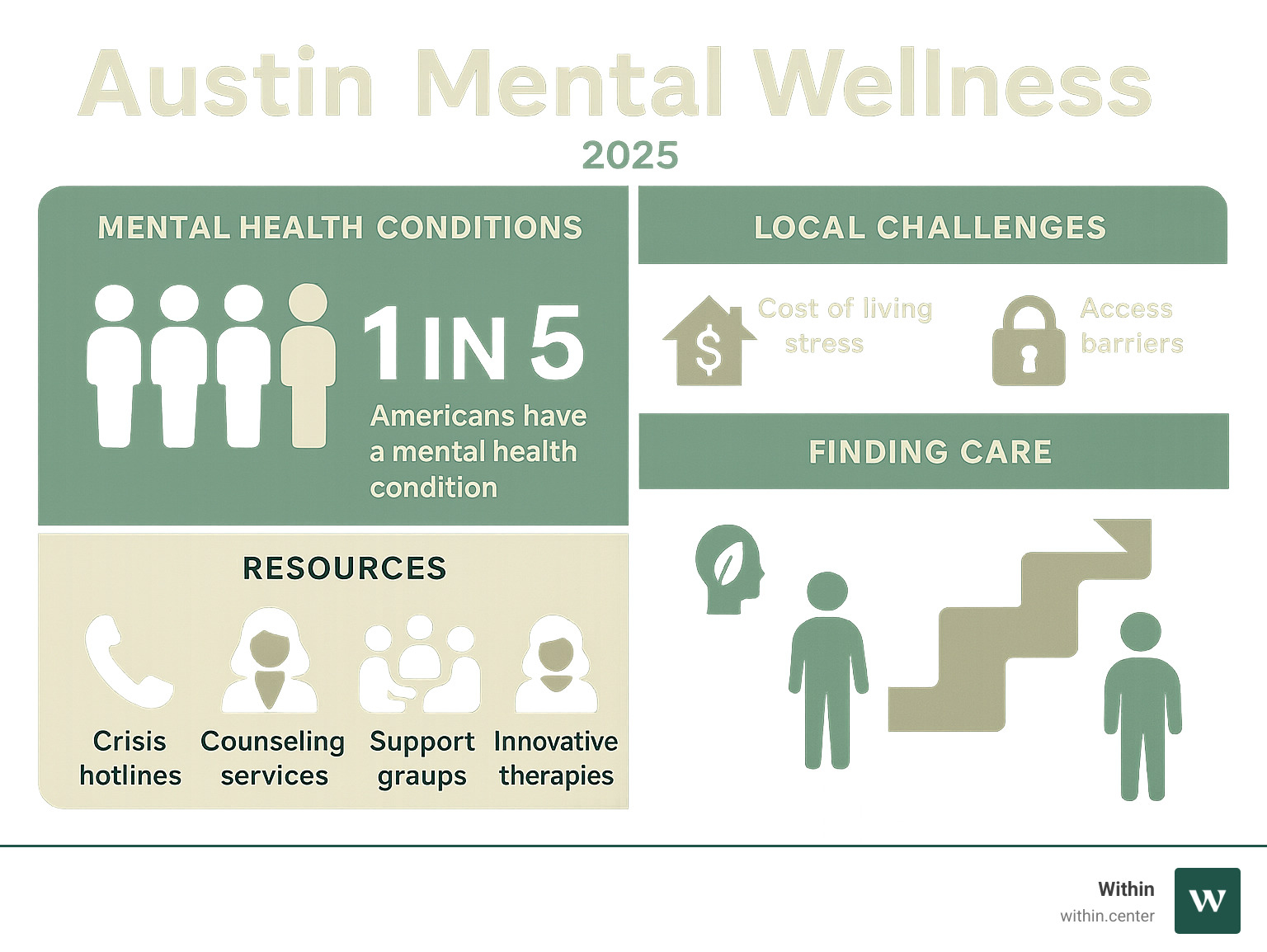
This integrative approach recognizes that mental wellness flourishes when we nourish every aspect of ourselves. Nutrition becomes medicine, movement becomes therapy, and community becomes the foundation for lasting change. It’s about understanding that depression might lift not just through talk therapy, but through the combination of counseling, proper nutrition, time in nature, and meaningful connections.

Nature-based healing is particularly powerful in Austin. Whether it’s a morning walk along the Barton Creek Greenbelt, kayaking on Lady Bird Lake, or simply sitting under the oak trees in Zilker Park, our natural spaces offer profound medicine for the soul. There’s something about Texas skies and Hill Country views that reminds us we’re part of something bigger.

At Within, we’ve created something unique with our immersive retreat experiences at AWKN Ranch. Rather than traditional therapy appointments, we offer live-in experiences where healing happens in community, surrounded by nature. Our approach combines ketamine-assisted therapy with personalized nutrition, mindfulness practices, and the kind of deep support that creates lasting change.

We believe healing happens best when we step away from the distractions of daily life and create sacred space for change. Our retreats aren’t just about treating symptoms—they’re about empowering people with tools for a completely different way of being in the world.

Find more about our transformative approach at Within Center’s holistic retreats, where we’re pioneering the future of healing through comprehensive, community-centered care.

Conclusion

Austin’s journey toward better Austin mental wellness reflects our city’s greatest strength: the power of community coming together to care for one another. Throughout this exploration, we’ve seen how our vibrant, growing city faces real challenges – from rising costs that stress families to wait times that delay crucial care. But we’ve also finded something beautiful: a network of dedicated people and organizations working tirelessly to ensure no one faces their struggles alone.

The landscape of support here is truly remarkable. Whether someone needs immediate crisis intervention through a 24/7 hotline, affordable counseling at UT’s CMHC, or culturally competent care that honors their identity, Austin provides pathways to healing. Our city’s innovative spirit shines through groundbreaking approaches like ketamine-assisted therapy and holistic wellness models that treat the whole person, not just symptoms.

What moves us most is witnessing the grassroots initiatives and peer-led support networks that embody Austin’s heart. Organizations like NAMI Central Texas and the Austin Mental Health Community prove that healing happens not just in clinical settings, but in circles of understanding, in shared stories, and in the simple act of showing up for one another.
You are not alone. This isn’t just a comforting phrase – it’s the truth of what Austin offers. Whether you’re a student struggling with academic pressure, a tech worker burning out, a parent juggling impossible demands, or anyone feeling overwhelmed by life’s challenges, there are people here who understand and want to help.

Taking that first step toward healing requires courage, but it doesn’t require you to have everything figured out. Maybe it’s calling a crisis line when things feel overwhelming, joining a support group where others share similar experiences, or exploring innovative therapies that address the root of your struggles. Each step forward is an act of self-compassion and strength.

At Within, we believe healing happens best when we address every part of who you are – mind, body, and spirit. Our immersive retreat model at AWKN Ranch offers a unique opportunity to step away from daily stressors and focus entirely on your well-being, surrounded by community and comprehensive support.

Your healing journey matters, and it starts with a single courageous step. Begin your healing journey with Psychedelic Therapy in Austin.
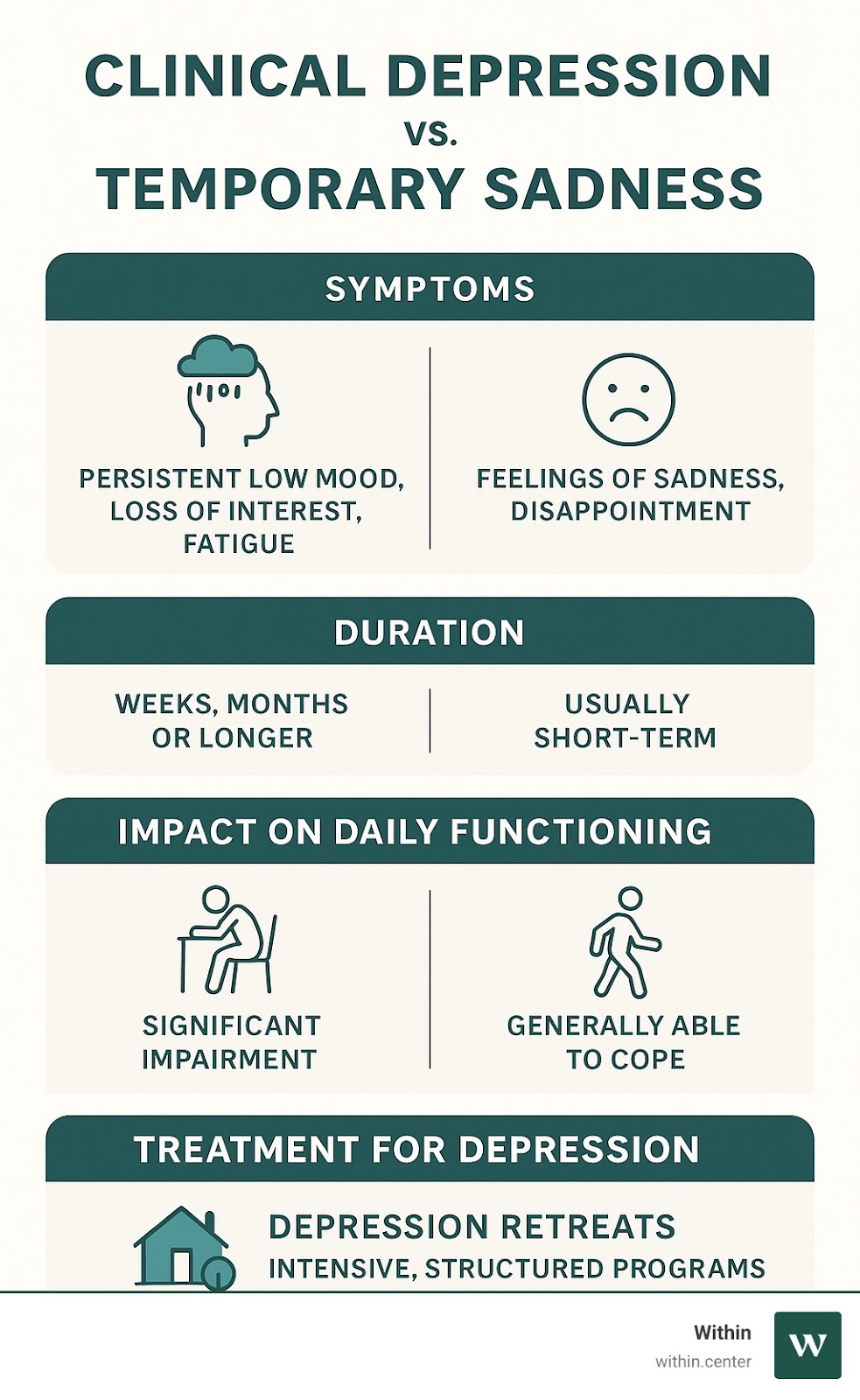

Finding Your Sanctuary: The Best Depression Retreats Near You

By Mental Health RetreatNo Comments

depression retreat near me - depression retreat near me

A depression retreat near me offers an intensive, immersive program that goes beyond weekly therapy. Here’s a quick overview:

Key Features of Depression Retreats:

  • Duration: 3-21 days of focused treatment
  • Setting: Peaceful, natural environments away from daily stressors
  • Approach: Holistic healing combining therapy, mindfulness, and experiential activities
  • Support: 24/7 professional care and peer community
  • Cost: $1,000-$5,000+ per week, with some insurance coverage possible

Depression is the leading cause of disability worldwide, affecting over 300 million people. For those with treatment-resistant depression, anxiety, or trauma, weekly therapy may not be enough to achieve a breakthrough.

As one retreat participant shared: “For the first time in a long time, the world doesn’t seem gray and cold.” This captures the transformative potential of immersive treatment.

Depression retreats provide a unique chance to step away from daily triggers and routines. They offer a safe space to focus entirely on healing, surrounded by supportive professionals and peers. Unlike outpatient therapy, these programs provide 24/7 support in healing environments, often leveraging nature’s restorative power.

Comprehensive infographic showing the key differences between clinical depression and temporary sadness, including symptoms duration, impact on daily functioning, and treatment approaches for depression retreats - depression retreat near me infographic

Why Choose a Depression Retreat? The Immersive Path to Healing

group meditating outdoors - depression retreat near me

While weekly therapy and medication are vital tools for managing depression, sometimes a more focused approach is needed. A depression retreat near me provides an immersive experience designed to start you on a path of sustained well-being. These retreats blend professional support, holistic methods, and nature therapy, creating a focused recovery environment that nurtures the mind-body connection.

The goal is to separate you from stressful situations, allowing you to focus entirely on recovery. This break from daily demands creates the ideal conditions for profound, lasting change.

The Benefits of a Focused Environment

A key benefit is the immersive environment itself. By removing you from daily routines and triggers, these retreats reduce external stressors and create a safe space to engage fully in the healing process. This focus on breaking daily routines and enjoying reduced stress is crucial.

You receive professional support around the clock in an environment where you feel held and cared for. As one guest shared: “They do an incredible job—from the moment we land—of this liftd hospitality. So there is always an element of feeling that I am supported, that I am held. That there are people wanting to take care of me.” This sense of security is vital for healing.

Connecting with peers who share similar struggles is also incredibly validating. This communal aspect leads to accelerated growth and reminds you that you’re not alone. Therapy has an excellent success rate, and an immersive setting can significantly boost these positive outcomes.

How Retreats Differ from Traditional Therapy

Depression retreats offer a distinct and more intensive approach than traditional outpatient therapy:

FeatureTraditional Outpatient TherapyImmersive Retreat Model
IntensityWeekly 1-hour sessionsFull-day care, multi-day or multi-week stays
EnvironmentReturn to daily life stressors after each sessionRemoved from daily stressors, dedicated healing environment
ApproachPrimarily talk-focusedHolistic, integrating talk therapy with experiential and somatic activities
Support StructureLimited to scheduled sessions24/7 professional support and peer community
Experiential LearningLimitedHigh, incorporating nature, movement, creative expression
Mind-Body FocusOften separate, or integrated based on therapist’s approachInherently integrated, focusing on mind, body, and spirit
Pace of ProgressGradual, over months or yearsPotentially accelerated due to intensive focus and immersion

Retreats offer a more intensive, holistic approach, which is especially helpful when symptoms feel overwhelming. They provide a safe space for personal growth when traditional treatments aren’t enough. At Within, our immersive approach is designed to provide this focused, comprehensive care. Learn more about our unique approach here: Beyond Traditional Therapy: How Within Center is Pioneering Healing Through Awe and Connection.

What to Expect: Therapies and Activities at a Depression Retreat

one-on-one therapy session in a calm setting - depression retreat near me

When considering a depression retreat near me, you’ll find a structured, nurturing environment. While each retreat is unique, expect a blend of proven psychotherapies, holistic practices, and sometimes cutting-edge treatments.

A typical day might start with morning mindfulness, followed by group therapy sessions and individual counseling. Throughout the day, you’ll engage in therapeutic activities like yoga or art therapy. The immersive schedule, which includes healthy meals and educational workshops, keeps you focused on healing, free from daily distractions. Many retreats also build in time for personal reflection in nature. This comprehensive approach is also effective for co-occurring conditions like anxiety or trauma.

Evidence-Based Psychotherapies

Reputable retreats are built on evidence-based psychotherapies—trusted frameworks for understanding and managing mental health.

  • Cognitive Behavioral Therapy (CBT) helps you identify and challenge negative thought patterns and behaviors that fuel depression, developing healthier coping skills.
  • Mindfulness-Based Cognitive Therapy (MBCT) blends CBT with mindfulness, teaching you to observe thoughts and feelings without judgment, strengthening the mind-body connection.
  • Psychodynamic Therapy explores how past experiences and unresolved feelings contribute to current distress, helping you work through the roots of your depression.
  • Integration-Focused Therapy is crucial for processing insights from the retreat and weaving them into your daily life, ensuring your healing journey continues.

Holistic and Somatic Modalities

Retreats accept a holistic approach, recognizing that healing involves the mind, body, and spirit. These modalities work alongside therapy, offering pathways to healing that words alone can’t always reach.

  • Yoga combines movement, breathing, and meditation to reduce stress and improve well-being.
  • Meditation calms the mind, increases self-awareness, and cultivates inner peace.
  • Breathwork uses conscious breathing to soothe the nervous system and release emotional blockages.
  • Art Therapy provides a non-verbal outlet to express emotions and process experiences.
  • Nature Immersion, through activities like forest bathing or nature walks, reduces stress and fosters connection.
  • Sound Baths use resonant sounds to guide you into a meditative state, promoting relaxation.

At Within, our holistic approach is core to what we do, helping you mend the connection between mind, body, and spirit. Explore how community care and unique therapeutic approaches are changing mental health: The Doorway In: How Psychedelic Therapy and Community Care are Changing Mental Health at Within Center.

Innovative Treatments for Depression

For treatment-resistant depression, some retreats like Within offer innovative treatments that can accelerate healing.

One such field is Psychedelic-assisted therapy, which combines psychotherapy with the careful use of psychedelic substances in a therapeutic setting. The goal is to facilitate profound insights, emotional processing, and positive brain changes (neuroplasticity) that can be difficult to achieve otherwise.

Ketamine-Assisted Therapy (KAP) is a powerful treatment for conditions like treatment-resistant depression, anxiety, and PTSD. What is Ketamine Therapy? At lower doses, ketamine can accelerate psychotherapy by promoting neuroplasticity—your brain’s ability to form new connections and “rewire” itself. This can reduce symptoms and boost its natural healing capacity. Explore the latest research here: Ketamine Connection and the Future of Healing: What the Latest Research Means for Mental Health.

At Within, we understand traditional solutions can fall short. Our approach integrates ketamine-assisted therapy with comprehensive support, using the substance as a catalyst for deeper, more lasting healing.

Finding a Depression Retreat Near Me That’s Right for You

person looking at a map on a laptop - depression retreat near me

Finding the right depression retreat near me can feel overwhelming. To ensure you find a reputable center that fits your needs, it’s helpful to research their credentials, read reviews, and ask about their approach and programs.

How to Find a Reputable Depression Retreat Near Me

To find a reputable retreat, you’ll want to ensure the environment is safe, the staff is qualified, and the programs are effective. Here are key questions to ask providers:

  • What types of therapies do you offer (e.g., CBT, DBT)? Are they evidence-based?
  • What are the qualifications and credentials of your therapists?
  • What is the typical program duration and daily schedule?
  • How do you personalize treatment plans for individual needs?
  • What is your approach to co-occurring conditions like anxiety or trauma?
  • What aftercare and integration support is available after the retreat?
  • Can you provide testimonials or references?
  • What are your safety protocols and what medical support is available on-site?

When checking licenses, ensure the retreat and its practitioners are accredited. While online directories are a good starting point, always follow up with direct questions.

Understanding Costs and Financial Aid

The cost of a depression retreat varies, typically from $1,000 to over $5,000 per week, depending on the program’s luxury, intensity, and duration. It’s a significant investment in your well-being.

Regarding insurance coverage, some clinical retreats may be in-network with your provider. Even if out-of-network, your plan might offer partial reimbursement. Always call your insurance company directly to verify benefits.

Many retreats offer financing options or payment plans. Don’t hesitate to ask about these possibilities.

In the U.S., you may be able to use the Family and Medical Leave Act (FMLA) for up to 12 weeks of unpaid, job-protected leave for mental health treatment. You can find more details on government websites. We believe financial worries shouldn’t be a barrier to healing, so have open conversations with providers about all available financial avenues.

Preparing For and Integrating Your Retreat Experience

Preparing for a depression retreat near me is more than just packing. It’s about preparing your mind for a potentially life-changing experience. The work continues after you leave; integration is what makes the healing last.

How to Prepare for a Depression Retreat Near Me

Once you’ve chosen a retreat, thoughtful preparation can make the experience more effective.

  • Set intentions. Before you go, reflect on what you hope to gain. Journaling about your healing goals can be a powerful reference point.
  • Pack practically. Bring comfortable clothes for various activities, walking shoes, and a journal. A personal comfort item, like a blanket or book, can also be helpful.
  • Arrange time off. If using FMLA, complete the paperwork in advance. More information on FMLAs can clarify your rights.
  • Communicate with loved ones. Set gentle boundaries about contact during the retreat to allow yourself to be fully present.
  • Consult with medical professionals. Inform your doctor or therapist about your plans, especially if you’re on medication. Many retreats have medical staff to guide any medication changes.
  • Approach the experience with open-mindedness. New therapies may feel unfamiliar, but that’s often where growth happens.

Aftercare: The Key to Lasting Well-Being

The retreat is just the beginning. The integration phase afterward determines if the healing becomes a lasting change. Without proper integration support, profound insights can fade. Comprehensive aftercare is crucial.

Integration support should be robust. At Within, we build extensive integration into our programs, including structured sessions and ongoing resources. How Important is the Therapy Component of Ketamine Therapy? explores why this is essential for lasting change.

  • Continued therapy after a retreat helps bridge the gap between the intensive experience and daily life.
  • Support groups provide ongoing community and connection with others who understand your journey.
  • Alumni programs can offer a valuable ongoing network through events and online communities.
  • Relapse prevention planning involves identifying triggers, preparing coping strategies, and knowing when to seek support.

You can also access additional resources from organizations like the National Institute of Mental Health. True healing requires dedicated integration work and community support. Why Ketamine Alone Isn’t Enough and What True Healing Requires. At Within, we are committed to helping people build lasting well-being.

Frequently Asked Questions about Depression Retreats

Considering a depression retreat near me brings up many questions. It’s a big investment in your healing, and you deserve clear answers. Here are the most common ones.

Can a retreat cure my depression?

While there’s no “cure” for depression, a retreat can be transformative. Chronic depression is a condition to be managed, not something that disappears after a single treatment. A retreat can provide the tools and insights to achieve remission, where symptoms become manageable or absent for long periods. Many find their depression becomes less severe and frequent.

The focus is on management and gaining lifelong coping skills. It’s about empowering you to live the life you want, rather than a quick fix.

How long are most depression retreats?

The length of a retreat depends on your individual needs; there’s no one-size-fits-all answer.

  • Short-term retreats (3-7 days) are great for an intensive reset or learning new tools.
  • Long-term programs (28+ days) are often better for severe depression or co-occurring conditions, allowing for deeper work.

Your individual needs and the program’s intensity level should guide your decision. At Within, our retreats are designed to give you the time you need for real change.

Can a retreat help with co-occurring conditions like anxiety or trauma?

Yes, and this is a major advantage of the retreat model. Depression, anxiety, and trauma are often connected. A good retreat uses a holistic approach, addressing root causes that may contribute to all of your symptoms.

Integrated treatment plans mean you receive comprehensive care in one program. Many centers, including ours, specialize in these co-occurring disorders. At Within, our Psychedelic Therapy is designed to help with the complex web of depression, anxiety, and trauma in a coordinated way.

When you heal underlying patterns, you often see improvement across multiple areas of your life.

Conclusion

Taking the step to explore a depression retreat near me is a brave and powerful choice. It’s truly a path toward deep healing and lasting well-being. We’ve talked about how special these intensive programs are. They help us step away from daily stress and find round-the-clock support. Plus, they build a caring community around us.

Unlike regular weekly therapy, retreats offer a full, whole-person approach. They can speed up the healing process. They mix proven therapies with calming, hands-on activities that nourish our mind, body, and spirit.

We also looked at how to pick the right retreat. It’s smart to ask good questions about their staff and what they offer. Don’t forget to ask about costs and any financial help. Most importantly, preparing for your retreat and having good support after it are key. This helps you keep all the good changes you make.

If you’re struggling with depression, anxiety, or past hurts, and feel like other ways haven’t helped enough, an immersive retreat might be your next best step. It could be the deep healing you’re looking for.

At Within, we offer these kinds of immersive, live-in retreat experiences at AWKN Ranch, close to Austin, Texas. Our way combines holistic healing with pioneering ketamine-assisted therapy. We also offer strong support for aftercare and a warm community. All of this is designed to help you open up your full potential for well-being.

Your journey to healing and real, lasting change is closer than you think. Take that next step toward a brighter future.

Explore a Psychedelic Therapy Retreat with us, and begin the journey to your greatest self.

Healing Retreats for Veterans: Tailored Paths to Overcome Depression

By Mental Health RetreatNo Comments

Finding a Path to Peace Beyond Service

veterans retreat depression - retreats for veterans with depression

Retreats for veterans with depression offer specialized, immersive programs designed to address the unique mental health challenges faced by those who have served. These programs combine peer support, evidence-based therapies, and holistic healing approaches in supportive environments away from daily stressors.

Key Features of Veteran Depression Retreats:

  • Duration: 5-7 days to 12-week programs
  • Group Size: 8-16 participants with similar experiences
  • Cost: Many programs are free through donor/grant funding
  • Eligibility: Veterans with PTSD, depression, or trauma diagnoses
  • Approach: Combines traditional therapy with alternative modalities
  • Support: Often includes spouses/partners and post-retreat integration

The invisible wounds of military service run deep. While 7.7% of people may develop PTSD in their lifetime, veterans face additional challenges including traumatic brain injury, moral injury, and the complex transition to civilian life. Depression often accompanies these struggles, creating a cycle that can feel impossible to break.

Traditional weekly therapy sessions, while valuable, may not provide the intensive support needed for profound healing. Over 6,000 veteran suicides occur annually, highlighting the urgent need for comprehensive mental health solutions that go beyond conventional approaches.

Specialized retreats create what many describe as sanctuaries – safe spaces where veterans can step away from daily routines and focus entirely on healing. These programs recognize that the warrior who served deserves warrior-level support in recovery.

Infographic showing the cycle of veteran depression, starting with military service and trauma, leading to isolation and civilian reintegration challenges, depression symptoms, and how retreat interventions provide peer support, therapeutic activities, and integration support to break the cycle and promote healing - retreats for veterans with depression infographic process-5-steps-informal

Why Choose Specialized Retreats for Veterans with Depression?

When healing from the invisible wounds of service, a specialized retreat offers a unique and powerful environment. It’s not just about getting away; it’s about stepping into a focused space where every element is designed for recovery. These programs understand that the journey back from service can be arduous, and they provide a dedicated path.

One of the most profound benefits is the immediate sense of community. Surrounded by others who truly “get it,” the stigma of seeking help melts away. You’re among fellow warriors who share similar experiences, fostering a camaraderie that is incredibly healing. This shared understanding creates a safe space to open up, process emotions, and realize you are not alone.

Retreats are also grounded in mindfulness and nature. The simple act of slowing down and being present is a powerful antidote to stress. Many programs are nestled in peaceful, natural surroundings, which has been shown to reduce stress hormones and improve mood. Connecting with the environment helps calm the nervous system and provides a sense of peace.

Veterans participating in a group therapy session outdoors - retreats for veterans with depression

Primary Benefits of Veteran Retreats:

  • Peer Support: Connect with others who share similar experiences, reducing feelings of isolation and shame.
  • Shared Understanding: Build camaraderie and trust in a judgment-free environment.
  • Reduced Stigma: Openly discuss challenges without fear of judgment.
  • Nature Therapy: Use natural environments to reduce stress, improve mood, and promote relaxation.
  • Cortisol Reduction: Scientific evidence shows nature’s positive impact on stress hormones.
  • Mindfulness & Slow Living: Learn techniques to decelerate, be present, and manage stress effectively.
  • Focused Healing: Dedicate uninterrupted time to mental health recovery.
  • Holistic Approach: Address mind, body, and spirit for comprehensive well-being.
  • Skill Building: Acquire practical coping strategies and tools for daily life.

Addressing the Unique Scars of Service

Veterans carry unique scars like Post-Traumatic Stress Disorder (PTSD), Traumatic Brain Injury (TBI), and moral injury—a profound wound to the conscience. These invisible wounds contribute significantly to depression. The cumulative effects of combat, loss, and moral injury can lead to chronic stress, hypervigilance, and isolation, making reintegration into civilian life incredibly difficult. Specialized retreats for veterans with depression are designed to address these multifaceted challenges. They provide a sanctuary where the psychological burdens of service are understood and actively addressed through custom therapeutic approaches, offering a pathway to healing and renewed purpose.

How Do Retreats for Veterans with Depression Differ from Traditional Therapy?

While traditional weekly therapy is invaluable, a retreat offers a different, more intensive model for healing. Think of weekly therapy as regular maintenance, while a retreat is a deep, immersive overhaul.

The key difference is the 24/7 supportive environment. Instead of a 50-minute session, you are immersed in a therapeutic setting for days or weeks, allowing for continuous processing and immediate application of new skills. This holistic approach integrates various healing modalities for mind, body, and spirit.

Retreats also emphasize somatic (body-based) healing. While traditional therapy often focuses on cognitive aspects, trauma also impacts the nervous system. Retreats incorporate practices like yoga and meditation to release stored trauma and regulate the nervous system.

Finally, the community aspect is transformative. Living and healing alongside peers who share similar experiences creates a powerful sense of belonging and support that is difficult to find in individual therapy.

Here’s a quick comparison to illustrate the differences:

| Feature | Weekly Therapy | Immersive Retreat Model

What Happens at a Veteran Wellness Retreat?

Walking into a veteran wellness retreat is entering a carefully designed healing environment. It’s not a vacation; it’s a structured, safe space where you can focus entirely on your mental health journey, free from daily stressors. The atmosphere is intentionally supportive, surrounded by peers who understand the weight of service. This shared understanding creates an immediate sense of belonging.

Retreats for veterans with depression operate on the principle that healing happens best through immersion. Days are thoughtfully structured to balance intensive therapeutic work with restorative activities and skill-building. The goal is to build genuine resilience and provide tools that serve you long after you return home, recognizing that recovery requires both professional guidance and personal empowerment.

A veteran participating in an alternative therapy like art therapy or mindfulness meditation - retreats for veterans with depression

Therapeutic Approaches and Activities

The beauty of veteran wellness retreats lies in their comprehensive and holistic approach. They weave together multiple therapies that address the mind, body, and spirit, recognizing that military trauma affects the whole person.

The foundation is evidence-based psychotherapy, including group and individual counseling focused on emotional regulation and healthy communication. This is complemented by somatic (body-based) therapies to help release stored physical tension and reset the nervous system.

Common activities often include:

  • Mindfulness and meditation to foster presence and calm.
  • Yoga and gentle movement to connect breath with the body.
  • Creative therapies like art, music, or writing to express difficult experiences.
  • Nature-based activities, which are proven to reduce stress and improve mood.
  • Nutritional guidance to understand the link between diet and mental clarity.
  • Physical wellness services like massage or acupuncture.
  • Innovative modalities such as equine therapy or sound baths.

For those interested in exploring cutting-edge approaches that integrate these holistic practices with advanced therapeutic methods, more info about Within Center’s psychedelic therapy retreats is available.

The Structure, Duration, and Cost of a Typical Retreat

Most retreats for veterans with depression are intensive, focused experiences lasting 5 to 7 days. Some organizations offer longer formats, such as 12-week programs that begin with a retreat and include ongoing support.

The daily structure balances therapy with restoration, including group sessions, individual activities, shared meals, and skill-building workshops. Group sizes are kept intimate—usually 8 to 16 participants—to ensure personal attention and foster close bonds.

Encouragingly, many programs are completely free to veterans, thanks to donor funding and grants. These programs typically cover lodging, meals, and all activities. Participants are usually responsible for their own travel, though some assistance may be available.

Eligibility requirements are straightforward, generally requiring proof of service (DD-214) and a service-related mental health diagnosis like PTSD or depression. Some programs also have sobriety requirements.

For veterans exploring other mental health treatment options that might require financial planning, resources like CareCredit can help make treatment more accessible. Financing now available!

The commitment to free programming reflects a deep understanding that financial stress shouldn’t prevent any veteran from accessing the healing they’ve earned.

Finding the Right Program: From Application to Aftercare

The journey to healing begins with a single step, but we know that first step can feel overwhelming. Finding the right retreats for veterans with depression doesn’t have to be a solo mission. Think of it as gathering intelligence for the most important operation of your life – your recovery.

A flyer for a veteran retreat program - retreats for veterans with depression

How to Find and Apply for Retreats for Veterans with Depression

Starting your search might feel like navigating uncharted territory, but there’s actually a clear path forward. Most veterans begin with a simple online search using terms like “retreats for veterans with depression” or “PTSD veteran retreats.” You’ll find a wealth of programs, each with their own approach and specialty.

Veteran Service Organizations are your best allies in this search. Major organizations have comprehensive programs – some offer 12-week journeys that begin with intensive five-day retreats, while others provide shorter but equally powerful experiences. Smaller, specialized groups focus on specific healing approaches, from wilderness therapy to creative arts integration.

The VA can also point you in the right direction, even toward programs they don’t directly run. Many VA counselors keep lists of recommended retreat programs and can help you understand which might be the best fit for your specific situation.

When you find a program that resonates with you, the application process is typically straightforward. Most organizations have online forms that ask about your service history, current challenges, and what you hope to gain from the experience. You’ll need proof of service – your DD-214, military ID, or VA Health Care Card will usually do the trick.

Don’t hesitate to pick up the phone and talk to a real person. Program coordinators are there to help, and they can answer questions about everything from daily schedules to what to pack. These conversations often provide the clearest picture of whether a program aligns with your needs and comfort level.

Are There Options for Spouses and Families?

Here’s something that often surprises veterans: many programs actively encourage or even require you to bring your spouse or partner. This isn’t because they don’t trust you to go alone – it’s because they understand that service affects the whole family unit.

Couples retreats recognize that healing happens best together. When both partners learn new communication tools, practice mindfulness techniques, and process experiences in a safe environment, the changes stick. As one military spouse put it, “I haven’t been on the battlefield, but I’ve experienced trauma too.”

Some programs offer family sessions that include children and other loved ones. These create space for family members to understand what you’ve been through, express their own feelings, and learn how to support each other moving forward. It’s about healing the entire family system, not just the individual veteran.

The relationship healing component often becomes one of the most powerful aspects of the retreat experience. Veterans frequently report that learning to reconnect with their loved ones provides motivation and accountability that supports long-term recovery.

What Kind of Post-Retreat Support is Available?

The retreat experience is powerful, but the real change happens when you return home and integrate what you’ve learned into daily life. That’s why aftercare programs are absolutely crucial for lasting change.

Many programs offer structured follow-up support that can last up to 45 weeks. This might include weekly group calls, check-in sessions with counselors, or continued access to program resources. The goal is to help you steer the inevitable challenges that arise when you’re back in your regular environment.

Alumni networks create lasting bonds that extend far beyond the retreat itself. Statistics show that nearly three-quarters of participants in some programs stay in contact with their retreat companions. These peer connections become lifelines – people who truly understand your experience and can offer support when things get tough.

Continued skill practice is where the rubber meets the road. The most successful programs ensure that over 90% of participants continue using at least one coping strategy they learned. Whether it’s daily mindfulness practice, regular nature walks, or the communication techniques from group sessions, these tools become part of your everyday toolkit.

At Within, we’ve learned that profound healing requires ongoing integration support. The insights and breakthroughs from intensive experiences need nurturing and guidance to take root in daily life. This comprehensive approach to aftercare isn’t just helpful – it’s essential for building the foundation of lasting well-being. You can learn more about Why Ketamine Alone Isn’t Enough, and What True Healing Requires.

Frequently Asked Questions about Veteran Depression Retreats

We understand that taking the step toward healing through retreats for veterans with depression can bring up many questions. You’re not alone in wondering about the details, and we’re here to provide clear, honest answers to help you make the best decision for your journey.

What are the success rates for these retreats?

The results from veteran depression retreats are genuinely encouraging, and we want to share what the data shows while being completely transparent about what success looks like. Every veteran’s healing journey is unique, but the patterns we see are consistently positive.

The numbers tell a powerful story. When we look at participants who complete these programs, 86% report a healthier, more positive view of themselves and cite real progress toward personal goals. This isn’t just about feeling better temporarily – it’s about fundamental shifts in how veterans see their own worth and potential.

Relationships often heal alongside the individual. 84% of participants say what they learned helped them develop healthier relationships with spouses, children, friends, and fellow veterans. This ripple effect extends the healing far beyond the retreat itself.

Perhaps most importantly for long-term recovery, over 90% of alumni continue using at least one coping strategy they learned during their retreat experience. These aren’t abstract concepts – they’re practical tools that veterans integrate into daily life, from mindfulness techniques to communication skills.

Real veterans share profound changes. We’ve heard testimonials describing 87% reductions in PTSD symptoms, with participants calling their experiences “eye-opening” and “beneficial for my PTSD and my soul.” Many describe feeling renewed, refreshed, and – crucially – no longer alone in their struggles.

The friendships formed during these retreats often last for years, creating ongoing support networks that continue the healing process long after returning home.

Are there virtual or online retreat options available?

Yes, we recognize that not every veteran can attend an in-person retreat. Geographic distance, health concerns, family responsibilities, or simply feeling more comfortable starting from home can all be valid reasons to seek virtual options.

Several organizations now offer online retreat programs that adapt their core curriculum to a digital format. While these virtual programs can’t replicate the complete immersive experience of being physically present with other veterans, they do provide accessibility and flexibility that can be life-changing for those who need it.

Virtual retreats maintain the community focus that makes these programs so effective. You’ll still connect with other veterans who understand your experiences, participate in group sessions, and learn the same evidence-based coping strategies. The convenience of participating from home can actually make it easier for some veterans to open up and engage fully.

These online options work particularly well for initial engagement or as ongoing support after completing an in-person program. They ensure that more veterans can access crucial mental health support, regardless of their circumstances.

What if I’m in immediate crisis?

If you’re reading this while in crisis, please know that immediate help is available right now. Retreats are designed for healing and growth, not emergency situations. Your safety comes first, always.

Don’t wait – reach out immediately:

The Veterans Crisis Line is your best first resource. Call or text 988, then press 1. You can also chat online at Veterans Crisis Line. This service operates 24/7 with qualified responders who understand veteran experiences. It’s completely confidential.

If you’re in immediate danger, call 911 or go directly to your nearest emergency room. There’s no shame in seeking emergency help – it’s the brave, smart thing to do.

Crisis support is different from retreat support, but both are important parts of the mental health care spectrum. Once you’re stable and safe, retreat programs can provide the deeper, longer-term healing work that helps prevent future crises and builds lasting resilience.

Your life has value, your service mattered, and healing is possible. Please reach out for the immediate support you need right now.

Conclusion: Taking the First Step on Your Healing Journey

The path from military service to civilian life is rarely straightforward, especially when you’re carrying the invisible weight of depression, PTSD, TBI, or moral injury. But here’s what we want you to know: you don’t have to walk this journey alone, and healing is absolutely possible.

Throughout this exploration of retreats for veterans with depression, we’ve seen how these specialized programs create something truly special. They’re not just getaways – they’re sanctuaries where warriors can finally put down their guard and focus entirely on healing. The combination of peer support from those who truly understand, evidence-based therapies that address trauma at its roots, and holistic practices that nurture mind, body, and spirit creates a powerful foundation for change.

The numbers speak volumes about their effectiveness. When 86% of participants report a healthier view of themselves and 84% develop better relationships, we’re witnessing real change. When over 90% continue using coping strategies months after their retreat ends, we’re seeing lasting impact. These aren’t just statistics – they represent thousands of veterans who’ve found their way back to hope and purpose.

Perhaps most importantly, these retreats prove that community truly is medicine. In those group therapy sessions under open skies, in shared meals and quiet conversations, veterans find they’re not broken or beyond help. They’re warriors who deserve warrior-level support in their recovery. The bonds formed in these immersive settings often last for years, creating a network of understanding that extends far beyond the retreat itself.

The integration support and aftercare programs ensure that the profound work done during these retreats doesn’t fade when you return home. Whether it’s ongoing group therapy, alumni networks, or continued skill practice, you’ll have the tools and community to sustain your healing journey.

Taking that first step – reaching out for help, filling out an application, or simply acknowledging that you deserve support – can feel overwhelming. But it’s also the most courageous thing you can do. You’ve already shown incredible bravery in your service; now it’s time to be brave for yourself and your healing.

At Within, we understand the unique challenges veterans face, and we’re committed to supporting your journey toward lasting peace and resilience. Our immersive healing retreats combine the community focus and comprehensive integration support you need with cutting-edge therapeutic approaches. If you’re ready to explore how our holistic approach can support your path to wellness, we invite you to Explore our psychedelic therapy retreats and find what true healing can look like.

Remember: you’ve served with honor, and you deserve to live with peace. The journey ahead holds promise, purpose, and the possibility of profound change.