

Category

Meditation Retreat

Depression & Anxiety Retreats: Your Path to Healing

By Meditation RetreatNo Comments

depression anxiety retreat - depression anxiety retreat

A depression anxiety retreat offers an immersive approach to healing that goes beyond traditional therapy. By combining evidence-based treatments with holistic therapies in a supportive community, these programs help individuals address root causes, not just symptoms.

Key benefits include an intensive focus on healing away from daily stressors, comprehensive treatment plans, and a strong sense of community. You’ll gain professional guidance and long-term tools for sustained recovery.

The need for such programs is clear. More than 260 million people worldwide suffer from depression, and in the U.S., anxiety disorders impact over 40 million Americans annually. When outpatient therapy isn’t enough, a retreat provides the dedicated space for deeper healing.

These programs can last from days to months, offering individual and group therapy, mindfulness, and innovative treatments like ketamine-assisted therapy.
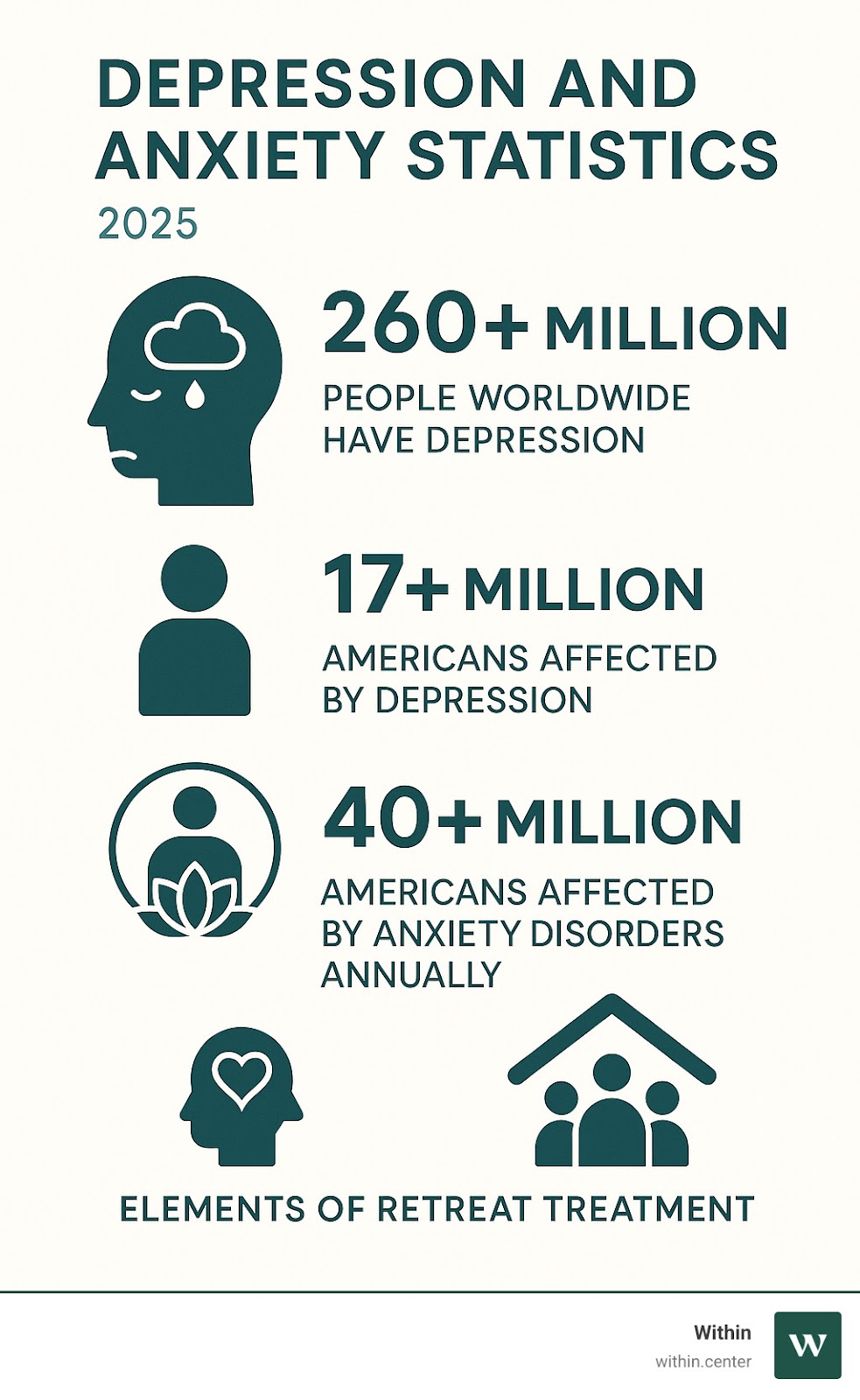
Infographic showing depression and anxiety statistics: 260+ million people worldwide have depression, 17+ million Americans affected by depression, 40+ million Americans affected by anxiety disorders annually, with icons representing the mind-body-spirit connection and community support elements of retreat treatment - depression anxiety retreat infographic

Understanding Depression and Anxiety: The First Step to Healing

Before exploring how a depression anxiety retreat can help, it’s important to understand these complex conditions. They are more than just a bad day or stress; they are real mental health challenges that can disrupt your life.

Depression is a persistent feeling of hopelessness that can lead to loss of interest, changes in sleep and appetite, and exhaustion. Anxiety is excessive worry that keeps your mind and body on high alert, often with physical symptoms like a racing heart. These two conditions frequently occur together, creating a difficult cycle.

diverse individuals in a supportive group setting - depression anxiety retreat

Understanding your condition is the first step to healing. Millions worldwide are affected, as shown by data from the NIMH and WHO.

Common Types of Depression and Anxiety Disorders

Depression and anxiety appear in many forms. Knowing the specific type helps in finding the right treatment.

  • Depression Disorders: These include Major Depressive Disorder (MDD), with intense sadness; Persistent Depressive Disorder, a long-term, low-grade depression; Seasonal Affective Disorder (SAD), tied to seasons; and Bipolar Disorder, which involves mood swings from depression to mania.
  • Anxiety Disorders: Common types are Generalized Anxiety Disorder (GAD), with constant worry; Panic Disorder, causing sudden attacks of fear; Social Anxiety, an intense fear of social situations; PTSD, following trauma; and OCD, characterized by intrusive thoughts and compulsive behaviors.

How Depression and Anxiety Can Manifest Differently

Depression and anxiety don’t look the same for everyone. Men may show irritability, anger, or risky behaviors instead of sadness. This can make their depression harder to spot. Women may face unique triggers related to hormonal changes and societal pressures, with about 1 in 10 reporting major depression symptoms according to the CDC.

A quality depression anxiety retreat understands these nuances and provides personalized treatment for everyone.

Recognizing the Need: Is a Mental Health Retreat Right for You?

Deciding to attend a depression anxiety retreat is a significant step. If you’ve tried other treatments and still feel stuck, an immersive approach could be what you need. A retreat offers the unique opportunity to step away from daily stressors and focus completely on healing, pressing pause on life to address what’s happening beneath the surface.

If you feel burned out or overwhelmed, it might be time to consider a new path. You can learn more info about our approach to see if it resonates with you.

Signs It’s Time to Consider a Retreat

A retreat could be life-changing if you experience the following:

  • Feeling stuck despite ongoing therapy or medication.
  • Losing interest in activities and relationships you once enjoyed.
  • Persistent struggles with sleep, appetite, or concentration.
  • Constant worry or mental chatter that leaves you exhausted.
  • Relying on unhealthy coping mechanisms for temporary relief.
  • A desire to understand the root causes of your struggles, not just manage symptoms.

If these points resonate, a retreat can provide the dedicated space and professional support to gain new tools and clarity.

Comparing Retreats to Other Forms of Care

Understanding the differences in care can help you choose the right option.

  • Outpatient Therapy: Offers ongoing support with weekly sessions but requires you to manage daily stressors between appointments.
  • Hospitalization: Designed for acute crises, focusing on short-term stabilization in a clinical setting.
  • Depression Anxiety Retreat: Provides a middle ground with intensive, 24/7 support in a peaceful, healing environment. The experience is immersive and holistic, focusing on mind, body, and spirit. Community is central, and the goal is to address root causes and build long-term skills. At Within, our AWKN Ranch near Austin offers this kind of serene setting to support recovery.

The Transformative Power of a Depression Anxiety Retreat

When you step into a depression anxiety retreat, you’re starting a journey to heal the root causes of your struggles, not just manage symptoms. In a supportive environment, your brain can form new, healthier neural pathways—a process known as neuroplasticity. This helps you break free from old patterns and build resilience.

person having a breakthrough moment with a therapist - depression anxiety retreat

One of the most powerful aspects of a retreat is realizing you’re not alone. Connecting with others who understand your journey lifts the isolation that often comes with depression and anxiety.

Unique Benefits and Lasting Change

A depression anxiety retreat provides dedicated time for healing, free from daily responsibilities. Key benefits include:

  • Disconnecting from Stressors: Stepping away from your usual environment allows your nervous system to calm down, providing the clarity needed to face challenges differently.
  • A Safe, Non-Judgmental Space: This atmosphere encourages vulnerability and deep therapeutic work that’s hard to achieve elsewhere.
  • Developing Self-Compassion: Learning to treat yourself with kindness is a fundamental shift that supports all other aspects of healing.
  • Building Community: Sharing experiences in group therapy creates powerful bonds and a support network that can last a lifetime. This shared journey reduces isolation and accelerates recovery.
  • Learning Practical Skills: You’ll leave with real-world tools and coping strategies. The best retreats offer comprehensive integration support to help you apply these skills back home, turning temporary relief into lasting change.

What to Expect: Therapies and Treatments at a Retreat

At a depression anxiety retreat, you’ll find a structured, supportive environment designed for healing. Expect a personalized treatment plan from a multidisciplinary team of licensed professionals. Your days will balance intensive therapy with restorative activities, all guided by a holistic philosophy that addresses mind, body, and spirit.

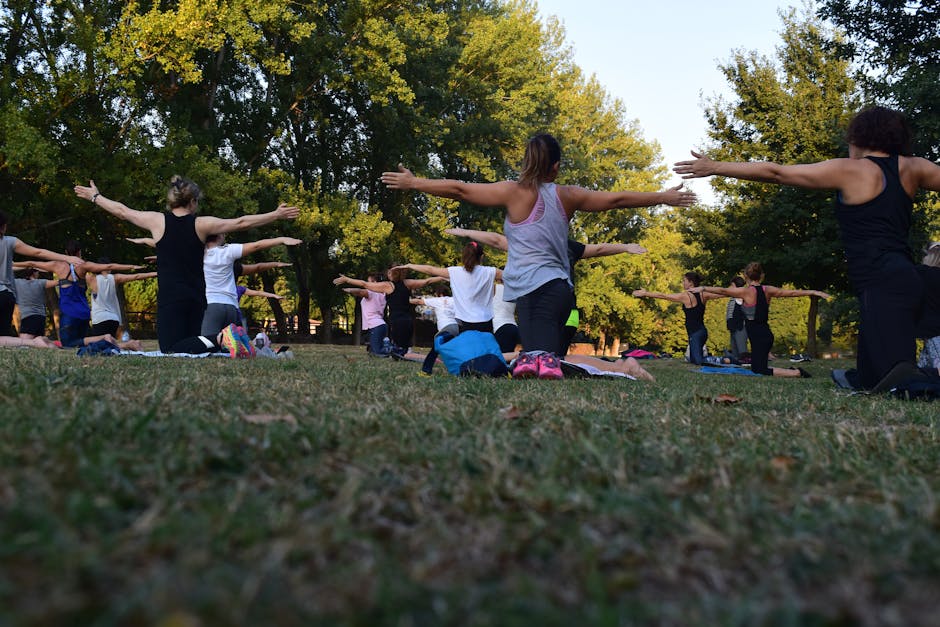
group participating in a guided meditation or yoga class outdoors - depression anxiety retreat

Evidence-Based and Holistic Therapies

A quality retreat blends proven scientific treatments with complementary healing practices. Your plan will likely include:

  • Individual and Group Psychotherapy: Core components for deep personal work and peer support.
  • CBT and DBT: Therapies to challenge negative thought patterns (CBT) and manage intense emotions (DBT).
  • Holistic Practices: Mindfulness, yoga, and meditation to calm the mind and reconnect with the body.
  • Nature and Creative Therapies: Using the outdoors, art, or sound to facilitate healing in non-verbal ways.

The Role of Diet, Exercise, and Innovative Treatments

Healing extends beyond therapy sessions. Nutritious meals support the gut-brain connection, while physical activity like yoga or hiking acts as a natural antidepressant. The mind-body connection is central to the experience.

Some retreats, like Within, also offer innovative treatments for those who haven’t found relief with traditional methods. Ketamine Therapy is one such option. It promotes neuroplasticity, helping the brain form new, healthier connections. When combined with psychotherapy, it can offer rapid relief for treatment-resistant conditions. These innovative approaches expand your healing options, aiming to help you heal and thrive.

Choosing the Right Retreat for You

Finding the right depression anxiety retreat is a crucial decision. To find a program that fits your needs, ask the right questions.

Key factors to consider include:

  • Staff Credentials & Licensing: Ensure therapists and medical staff are licensed and experienced.
  • Treatment Philosophy: Does it align with your needs? At Within, we blend evidence-based therapies with innovative treatments like ketamine-assisted therapy in our serene ranch setting near Austin.
  • Location and Environment: Decide if you prefer a natural or clinical setting.
  • Duration and Aftercare: Check program lengths and what kind of integration support is offered to help you transition back to daily life.

Finding a Specialized Depression Anxiety Retreat

Look for a retreat that addresses your specific needs. Some programs specialize in trauma-informed care, co-occurring disorders (like OCD or eating disorders), or specific demographics like men, women, or young adults. A personalized approach is key to effective treatment.

Financial and Insurance Considerations

A retreat is a significant financial investment in your future well-being. Costs can vary, and many facilities operate on a self-pay model. However, options are available:

  • Insurance: While direct coverage for “retreats” is rare, individual services like therapy may be reimbursable as out-of-network benefits. Always verify your benefits with your provider.
  • Financing: Many facilities, including ours at Within, offer financing options like CareCredit to make payments more manageable.

Think of this as an investment in your long-term health. The benefits often reduce future healthcare costs and dramatically improve your quality of life.

Frequently Asked Questions about Mental Health Retreats

Considering a depression anxiety retreat brings up important questions. Here are answers to some common concerns.

How long should I stay at a mental health retreat?

The ideal length for a depression anxiety retreat depends on your personal needs. Short stays (7-14 days) can offer a reset, while 30-day programs are often ideal for deep work and building new habits. For chronic conditions or profound change, 90-day programs provide the most comprehensive experience, allowing time for new patterns to become second nature. Longer stays generally lead to deeper healing.

What is the difference between a wellness retreat and a clinical mental health retreat?

This is a crucial distinction. A wellness retreat focuses on general relaxation and stress relief, like a structured vacation. A clinical mental health retreat, like our depression anxiety retreat, is specifically designed to treat diagnosable conditions like depression and anxiety. It is staffed by licensed therapists and medical professionals who provide evidence-based treatments in a therapeutic environment. The goal of a clinical retreat is lasting recovery by addressing root causes, not just temporary escape.

How can I prepare for attending a retreat?

Preparation involves both practical and emotional steps.

  • Set Intentions: Clarify what you hope to gain from the experience.
  • Pack for Comfort: Bring items that make you feel at home, like a favorite journal or blanket.
  • Keep an Open Mind: Be ready to accept new therapies and perspectives.
  • Arrange Home Life: Handle work and family responsibilities so you can fully immerse yourself in healing.
  • Communicate: Talk to the admissions team to address any concerns before you arrive. We’re here to support you.

Conclusion

Attending a depression anxiety retreat is a powerful commitment to your mental health and lasting change. It’s an investment in yourself that goes beyond temporary relief.

These immersive experiences blend proven therapies with holistic practices in a supportive environment designed for healing. By addressing the root causes of your depression and anxiety, you can build the tools you need for long-term wellness. The intensive focus promotes neuroplasticity, helping your brain rewire itself, while community connections combat isolation and foster understanding.

The coping skills, self-worth, and resilience you develop will serve you long after you leave. Many of our participants describe returning home with a renewed sense of purpose and confidence.

If you’re feeling ready to take this transformative step, we’d love to support you on this journey. At Within, our AWKN Ranch near Austin, Texas offers an immersive retreat experience that combines cutting-edge treatments with the healing power of community and nature. Our comprehensive integration support ensures that the positive changes you make during your stay continue to flourish long after you return home.

Your path to healing doesn’t have to be walked alone. Explore our Psychedelic Therapy Retreat and find how an immersive approach to mental health can help you reclaim your sense of calm and well-being.


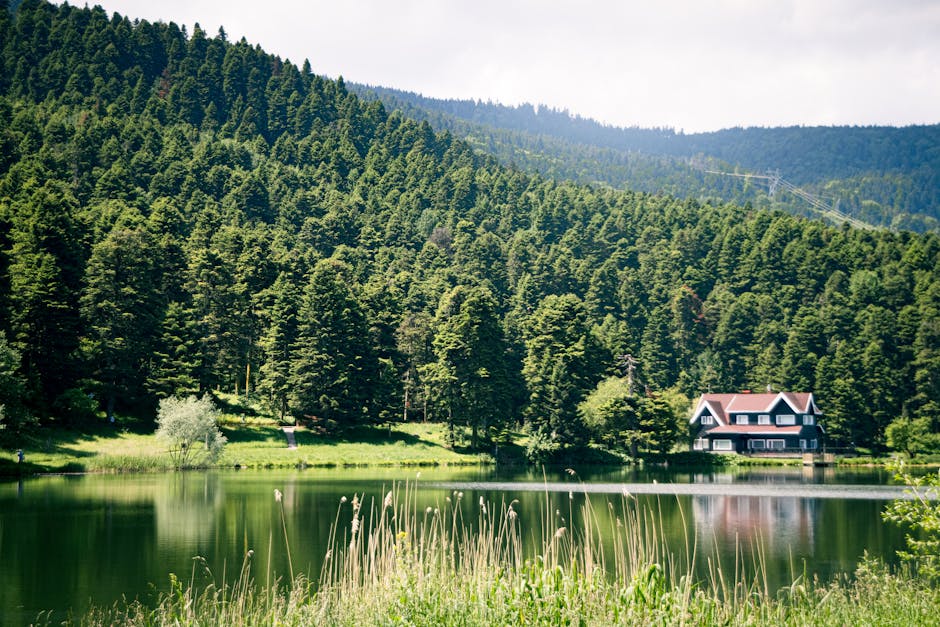
serene landscape - depression anxiety retreat

Discover Your Sanctuary: The Best Retreats for Depression & Anxiety

By Meditation RetreatNo Comments

retreat for depression and anxiety - retreat for depression and anxiety

When you’re struggling with persistent sadness, overwhelming worry, or feeling stuck despite traditional therapy, a retreat for depression and anxiety might be the breakthrough you need. These specialized programs offer intensive, immersive healing experiences that go far beyond weekly therapy sessions.

Quick Guide to Mental Health Retreats:

  • What they are: Intensive therapeutic programs in supportive environments
  • Duration: Typically 7-90 days, depending on your needs
  • Approach: Combines evidence-based therapy with holistic healing
  • Best for: Treatment-resistant depression, chronic anxiety, or when you need deeper healing
  • Cost: $1,000-$5,000+ per week, with some insurance coverage possible

The statistics are sobering. Depression affects over 17 million Americans, making it the second most common mental health disorder. Meanwhile, anxiety impacts over 40 million Americans annually, affecting one-third of all adults at some point in their lives.

But here’s what’s encouraging: mental health retreats are showing remarkable results where traditional approaches have fallen short.

As one client shared about their retreat experience: “I felt like a new man after the Bali retreat, finding stress management significantly improved… I gained tools and new habits for daily life.”

Unlike weekly therapy sessions that compete with daily stressors, retreats create a contained healing environment where you can focus entirely on your recovery. They combine the best of clinical treatment with holistic approaches – from evidence-based therapies like CBT and DBT to mindfulness practices, nature therapy, and innovative treatments like ketamine-assisted psychotherapy.

The key difference? Retreats address root causes, not just symptoms. They offer the time and space needed for deep psychological work while providing 24/7 professional support.

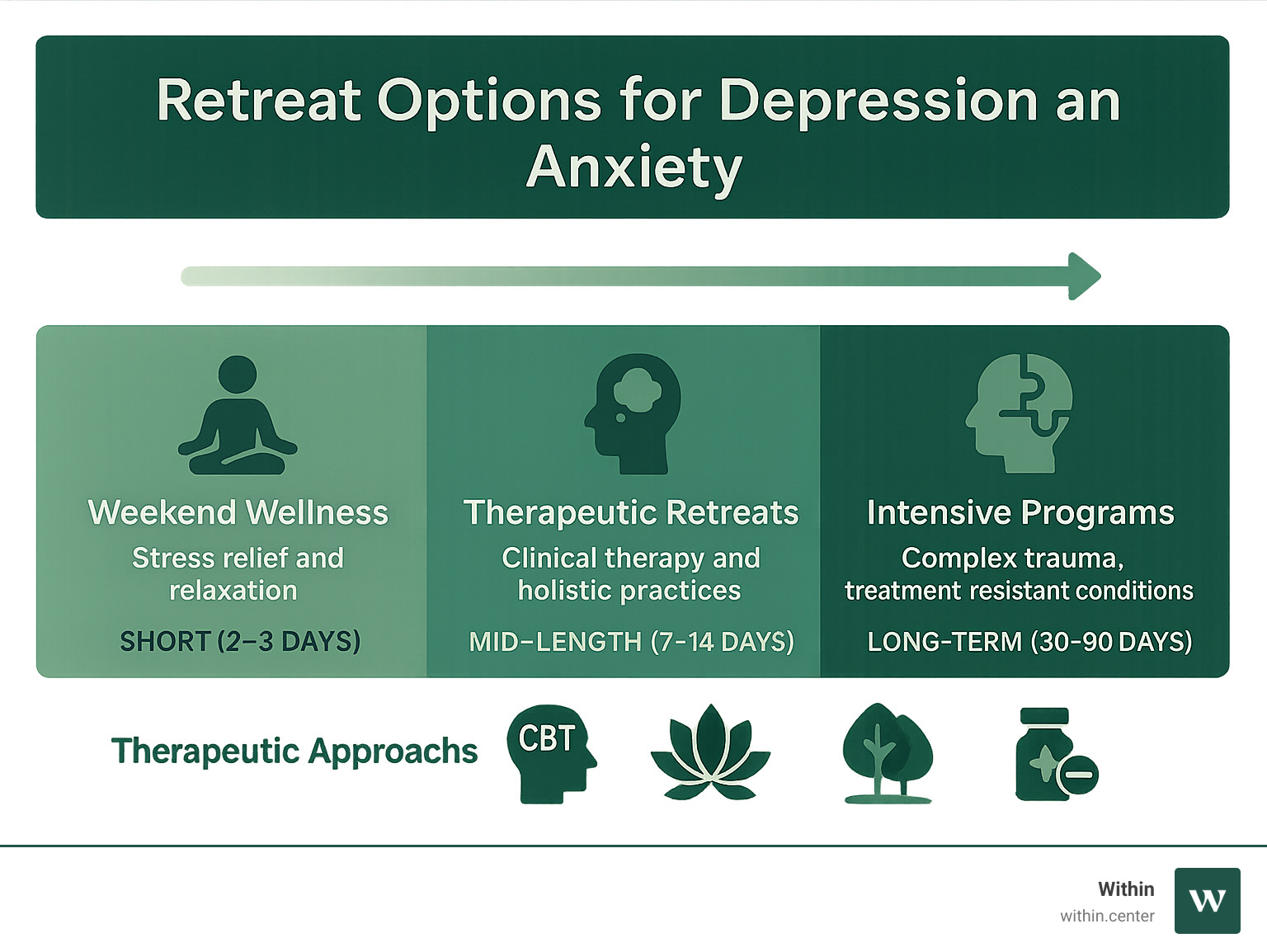
Infographic showing the spectrum of mental health retreat options, from short weekend wellness retreats focusing on stress relief and relaxation, to mid-length therapeutic retreats (7-14 days) combining clinical therapy with holistic practices, to intensive long-term programs (30-90 days) for complex trauma and treatment-resistant conditions, with icons representing different therapeutic approaches like CBT, mindfulness, nature therapy, and ketamine-assisted therapy - retreat for depression and anxiety infographic

Recognizing the Need: When to Consider a Mental Health Retreat

a person looking thoughtfully out a window at a natural landscape - retreat for depression and anxiety

Sometimes the hardest part of healing is recognizing when we need more help than we’re currently getting. If you’re reading this, chances are you’ve already noticed that something isn’t quite right. Maybe you’ve been going through the motions of daily life while feeling empty inside, or perhaps anxiety has become your constant, unwelcome companion.

The signs often creep up slowly. You might find yourself losing interest in activities that once brought you joy – that book club you loved, weekend hikes with friends, or even simple pleasures like cooking a favorite meal. Persistent sadness settles in like a heavy blanket you can’t shake off, coloring everything in muted tones.

Overwhelming worry becomes your mind’s default setting. Your thoughts race from one concern to another, making it nearly impossible to focus on work or be present with loved ones. Sleep becomes elusive, and when you do rest, you wake up feeling just as tired as when you went to bed.

Many people experience what’s called functional depression – you’re still showing up to work, paying bills, and maintaining a facade of normalcy, but inside you’re running on empty. Friends and family might not even realize you’re struggling because you’ve become so good at hiding it.

Social withdrawal often follows. Invitations get declined, phone calls go unanswered, and isolation becomes both a symptom and a coping mechanism. The world feels overwhelming, so you make it smaller.

Signs It’s Time for a Deeper Dive

If you’ve been in weekly therapy for months or even years but still feel stuck, it might be time to consider a retreat for depression and anxiety. Traditional outpatient therapy is valuable, but sometimes we need to step away from daily stressors entirely to do the deeper work.

Chronic fatigue that doesn’t improve with rest often signals that your nervous system is overwhelmed. When your body and mind are constantly on high alert, healing becomes nearly impossible. Irritability might surface more frequently – small annoyances feel like major crises, and you find yourself snapping at people you care about.

Perhaps you’ve noticed yourself turning to unhealthy coping mechanisms – that extra glass of wine has become three, binge-watching shows has replaced meaningful activities, or you’re spending hours scrolling social media to avoid your thoughts. These behaviors offer temporary relief but often leave you feeling worse.

Burnout symptoms extend beyond just work stress. You might feel emotionally depleted, cynical about the future, or like you’re constantly treading water without making progress. When you feel this stuck, and weekly therapy isn’t enough to break through the patterns, an immersive healing environment can provide the breakthrough you need.

The National Institute of Mental Health provides comprehensive information about depression symptoms, but seeking intensive support isn’t a sign of failure – it’s a courageous step toward reclaiming your life.

If these experiences resonate with you, know that you’re not alone, and more importantly, you don’t have to stay stuck. A retreat setting offers the time, space, and professional support needed to address not just your symptoms, but the root causes of your struggles.

The Retreat Advantage: An Immersive Path to Healing

Imagine stepping away from the constant buzz of notifications, the draining commute, and that never-ending to-do list. Picture yourself in a peaceful environment where your only job is to focus on getting better. That’s the heart of what makes a retreat for depression and anxiety so powerful.

Unlike traditional therapy where you meet once a week for an hour, then return to the same stressful environment that might be contributing to your struggles, retreats create something entirely different. They offer a contained healing space where you can dive deep into your recovery without daily life pulling you in different directions.

FeatureMental Health RetreatsTraditional Therapy
EnvironmentImmersive, peaceful setting away from daily stressorsYour regular life continues with all its challenges
IntensityMultiple therapy sessions daily with 24/7 supportOne hour per week, then you’re on your own
DurationConcentrated healing over days or weeksProgress measured over months or years
ApproachCombines multiple therapies and holistic practicesUsually focuses on one therapeutic method
Community SupportBuilt-in peer support and shared experiencesLimited to group therapy sessions if available

The retreat advantage isn’t just about changing your location – it’s about removing the barriers that often get in the way of healing. When you’re dealing with depression, even getting to a therapy appointment can feel overwhelming. At a retreat, professional support is available around the clock, and you’re surrounded by others who truly understand what you’re going through.

This immersive approach allows you to address root causes rather than just managing symptoms. Instead of spending months slowly unpacking trauma or negative thought patterns, you have dedicated time and space to do the deep work that lasting recovery requires.

The Power of Community and Peer Support

One of the most profound aspects of a retreat for depression and anxiety is finding you’re not alone in your struggles. Depression and anxiety have a cruel way of making us feel isolated, like we’re the only ones who can’t seem to “get it together.” Being surrounded by others who’ve walked similar paths can be incredibly healing.

There’s something magical that happens when you share your story with someone who truly gets it. The shame starts to lift when you realize that your struggles don’t make you broken or weak – they make you human. In group settings, you’ll often find yourself offering encouragement to others, which can be surprisingly healing for your own sense of self-worth.

These connections often extend far beyond the retreat itself. Many participants form lasting friendships that become part of their ongoing support network. Having people in your life who understand your journey and can check in during challenging times is invaluable for maintaining your progress.

The vulnerability required to share in these spaces might feel scary at first, but it’s in a completely safe environment designed for healing. Normalizing your struggles through shared experiences helps break down the isolation that often keeps depression and anxiety cycles going strong.

Digging Deeper Than Symptoms

Traditional treatment often focuses on symptom management – helping you cope with anxiety attacks or lifting your mood temporarily. While this is important, retreats have the luxury of time to explore the deeper issues that might be driving your mental health challenges.

Maybe your anxiety stems from unresolved trauma that you’ve never had the space to properly process. Perhaps your depression is rooted in core beliefs about yourself that formed in childhood. Or maybe negative thought patterns have become so automatic that you need intensive work to recognize and change them.

The mind-body connection becomes especially important in retreat settings. Depression and anxiety don’t just live in your thoughts – they show up in your body too. Through approaches like somatic experiencing, therapeutic yoga, and breathwork, you can address the physical aspects of mental health that often get overlooked in traditional therapy.

This holistic perspective recognizes that healing happens on multiple levels. Your mental health is connected to your physical well-being, your relationships, your sense of purpose, and your connection to something greater than yourself. A comprehensive retreat experience addresses all these dimensions.

Learn more about our holistic approach and how we integrate mind, body, and spirit in the healing process.

Conclusion: Your Haven for Healing Awaits

If you’re reading this, you’ve already taken an important step. You’re exploring options, seeking answers, and considering new paths forward. That takes courage, especially when depression and anxiety have made even simple decisions feel overwhelming.

Choosing to attend a retreat for depression and anxiety isn’t just about getting help – it’s about making a profound investment in who you want to become. It’s saying yes to the possibility that life can feel lighter, that joy isn’t just a memory, and that the weight you’ve been carrying doesn’t have to define your future.

Finding a safe space is crucial. Not just any space, but one where you can let your guard down completely. Where you don’t have to explain why getting out of bed felt impossible yesterday, or why that wave of anxiety hit you in the grocery store. A place where healing professionals understand the journey because they’ve walked alongside so many others on similar paths.

The truth is, healing is possible – even when it feels impossibly far away. Even when you’ve tried therapy before and wondered if anything would ever truly help. Even when well-meaning friends say “just think positive” and you want to scream because if it were that simple, you would have done it already.

At Within, we’ve created something different at AWKN Ranch near Austin, Texas. Our immersive, holistic path to recovery goes beyond traditional therapy sessions. We understand that real healing happens when you can step away from the daily stressors that keep you stuck, when you have time and space to dig deeper into what’s really driving your struggles.

Our live-in retreat experience combines the clinical expertise you need with the comprehensive integration support that helps you carry your healing forward. The community focus means you’re not alone in this journey – you’re surrounded by others who understand, and by professionals who are genuinely invested in your change.

We don’t just want to help you manage symptoms. We want to help you address root causes so you can build a life that feels genuinely worth living again. A life where you wake up with energy, where relationships bring connection instead of exhaustion, where you remember what it feels like to look forward to tomorrow.

Take the first step towards your healing journey. Your haven for healing is waiting, and so are we.

Learn more about our Psychedelic Therapy Retreat.

Discover Your Sanctuary: Top Wellness Centers Across Texas

By Meditation RetreatNo Comments

Texas wellness center - Texas wellness center

A Texas wellness center offers hope for those seeking deeper healing beyond traditional healthcare. The Lone Star State has become a hub for innovative wellness approaches, with centers combining ancient wisdom and cutting-edge therapies.

Across the state, you can find a diverse array of services custom to every need. These include centers specializing in holistic and functional medicine, which aim to find the root cause of health issues. For mental health, innovative treatments like ketamine therapy are becoming more accessible for conditions such as depression, PTSD, and anxiety. Many centers offer immersive retreat experiences on serene properties, while others focus on unique modalities like float therapy in sensory deprivation tanks. You can also find integrative care clinics that blend conventional and alternative medicine, and even university-based wellness programs designed to support students.

Texas faces significant health challenges. The state has high rates of chronic diseases like obesity, diabetes, and heart disease. This has driven demand for preventative and holistic wellness services that address root causes rather than just symptoms.

What makes Texas unique is its diverse geography and cultural blend. From the Hill Country’s rolling landscapes to coastal plains, wellness centers here offer everything from sensory deprivation tanks to psychedelic-assisted therapy. Many centers emphasize community connection alongside individual healing.

The wellness industry in Texas contributes significantly to the state’s economy. Telehealth has grown substantially, with many centers now offering virtual consultations. As Ruth Hereford shared about her ketamine therapy experience: “It’s like someone turned on the light for me.”

Infographic showing the four core pillars of holistic wellness practiced at Texas centers: Physical Health (detox, nutrition, exercise, IV therapy), Mental Health (counseling, mindfulness, ketamine therapy), Spiritual Health (meditation, prayer, gratitude practices), and Emotional Health (stress management, community support, integration therapy) - Texas wellness center infographic

What to Expect: A Spectrum of Services for Mind, Body, and Spirit

When you walk into a Texas wellness center, you’re stepping into a world that’s quite different from your typical doctor’s office. These centers focus on treating you as a whole person – not just your symptoms. The atmosphere is usually calmer, more welcoming, and the conversations tend to be deeper.

What makes these centers special is their integrative approach. They blend the best of conventional medicine with time-tested complementary therapies. Instead of just handing you a prescription and sending you on your way, they want to understand what’s really going on in your life. They’re big on patient empowerment – teaching you how to take charge of your own health.

The focus here is preventative care. Rather than waiting for problems to get worse, these centers help you build resilience and catch issues early. It’s like having a health coach, therapist, and medical team all rolled into one supportive experience.

An IV therapy session in a comfortable, modern setting - Texas wellness center

Exploring Services at a Texas Wellness Center

The range of services at a Texas wellness center can be pretty amazing. Each center has its own personality, but most offer a thoughtful mix of treatments for your mind, body, and spirit.

Holistic health consultations are usually where your journey begins. These aren’t your typical 15-minute appointments. Practitioners take time to understand your health history, lifestyle, stress levels, and goals. They’re looking for the root causes of your concerns, not just quick fixes.

Many centers offer mind-body therapies like meditation classes, yoga sessions, and biofeedback training. These help you understand how your thoughts and emotions affect your physical health. It’s fascinating to find how much control you actually have over your wellbeing.

Nutritional guidance goes way beyond basic diet advice. Expert nutritionists create personalized plans that use food as medicine. Some centers even offer immersive programs where you can learn to prepare healing meals and understand how different foods affect your energy and mood.

Therapeutic bodywork includes massage therapy, acupuncture, and chiropractic care. These treatments help release tension, improve circulation, and get your body moving properly again. Many people are surprised by how much better they feel after addressing physical imbalances they didn’t even know they had.

Movement and fitness programs are custom to your current abilities and health goals. Whether you’re recovering from an injury or want to improve your athletic performance, these programs meet you where you are.

Stress management is huge at most centers because chronic stress underlies so many health problems. You’ll learn practical techniques for handling life’s challenges without letting them overwhelm your system.

IV nutrient therapy has become incredibly popular. These treatments deliver vitamins and minerals directly into your bloodstream, bypassing your digestive system for maximum absorption. People often use them for energy boosts, immune support, or recovery from illness.

Hormone optimization addresses imbalances that can affect everything from your energy levels to your mood to your sleep quality. This is especially helpful for people going through major life transitions or dealing with age-related changes.

Aesthetic wellness recognizes that feeling good about how you look affects your overall wellbeing. Many centers offer skin treatments and other services that help you feel confident and vibrant.

Weight management support takes a comprehensive approach that looks at hormones, metabolism, emotional eating patterns, and lifestyle factors. It’s much more effective than just counting calories.

Specialized Wellness for Every Member of the Family

One of the beautiful things about the wellness movement in Texas is how inclusive it’s become. A Texas wellness center often serves everyone from college students to busy professionals to families with pets.

Student and young adult wellness programs recognize that this generation faces unique pressures. University wellness centers provide not just health services, but also education about stress management, healthy relationships, and life skills. They often offer practical resources like sleep kits and wellness supplies to help students thrive.

Mental health support has expanded far beyond traditional therapy. Many centers offer group support sessions, mindfulness training, and innovative treatments for anxiety and depression. The focus is on teaching people skills they can use throughout their lives.

Corporate wellness programs bring these services into the workplace. Companies are realizing that supporting employee wellbeing isn’t just nice – it’s good business. These programs help reduce stress, improve productivity, and create healthier work cultures.

Even pet wellness education has found its place in the wellness world. Some centers recognize that our furry family members are part of our overall wellbeing picture, offering guidance on preventative care and holistic approaches to pet health.

The common wellness goals that bring people to these centers include: improved energy and vitality, stress reduction and emotional balance, weight management, better sleep quality, hormonal balance, chronic pain relief, immune system support, mental clarity, and overall preventative health maintenance. Whatever brought you to consider a wellness center, chances are good that others have walked that path before you and found real help.

The Holistic and Integrative Approach of a Texas Wellness Center

When you step into a Texas wellness center, you’re entering a space where healing happens differently. Instead of focusing on just one symptom or problem, these centers look at you as a complete person. Your mind, body, and spirit all work together, and true wellness happens when all three are in harmony.

This whole-person approach is what makes integrative medicine so powerful. Rather than simply putting a band-aid on symptoms, practitioners dig deeper to find the real reasons behind your health challenges. Think of it like being a detective – they want to solve the mystery of what’s really going on in your body.

Functional medicine takes this detective work even further. The goal is to correct the problem instead of just masking symptoms. Practitioners use your body’s natural healing abilities to create lasting change, not temporary fixes.

What’s beautiful about this approach is how it empowers you. You’re not just a passive patient receiving treatment – you become an active partner in your healing journey. You’ll learn how your body works, what it needs to thrive, and how to support your own wellness every day.

A compassionate practitioner consulting with a patient in a warm, inviting office setting - Texas wellness center

Embracing Anti-Aging and Regenerative Medicine

One of the most exciting areas in the Texas wellness center world is regenerative medicine. This isn’t about chasing eternal youth – it’s about helping your body repair itself and maintain vitality as you age naturally.

Peptide therapy is like giving your body a gentle nudge in the right direction. These short chains of amino acids work with your natural processes to support tissue repair, boost immune function, and improve metabolic health. Peptides are used to help with everything from muscle recovery to overall wellness.

Bioidentical hormone support addresses one of the most common challenges people face as they age. When your hormones are out of balance, everything feels harder – your energy drops, your mood shifts, and your body doesn’t feel like your own. Bioidentical hormones are chemically identical to what your body naturally produces, making the transition smoother and more effective.

The field also accepts regenerative modalities like PRP (Platelet-Rich Plasma) injections. These treatments use your own body’s healing factors to repair damaged tissue, offering hope for chronic injuries without surgery.

Sexual wellness is another important piece of the puzzle. Many centers offer specialized programs that address intimacy and sexual health through hormone optimization and other natural approaches. After all, sexual wellness is part of overall wellness.

Bone health deserves special attention, especially for women. According to the National Osteoporosis Foundation, about 80% of Americans with osteoporosis are women. Bone health is crucial for women’s wellness, and many centers offer screening and support to keep bones strong throughout life.

Even skin rejuvenation fits into this holistic picture. When you feel good about how you look, it affects your confidence and overall well-being. Advanced treatments help your skin look and feel healthier from the outside in.

A Focus on Mental and Emotional Well-being

Your mental and emotional health aren’t separate from your physical health – they’re deeply connected. A Texas wellness center understands that healing your body without addressing your mind and spirit only tells part of the story.

Counseling services provide a safe space to explore what’s really going on beneath the surface. Whether you’re working through trauma, managing stress, or just need someone to talk to, individual and group counseling can be transformative.

Group support creates something special – a sense of community and shared experience. When you realize you’re not alone in your struggles, healing becomes easier. There’s power in connecting with others who understand your journey.

Mindfulness practices like meditation and breathwork aren’t just trendy wellness activities. They’re practical tools that help you stay present, manage anxiety, and regulate your emotions. These skills become part of your daily toolkit for better living.

Stress reduction techniques are essential in our world. Chronic stress contributes to so many health problems, both physical and mental. Learning how to manage stress effectively can change everything about how you feel.

Some centers offer innovative approaches for anxiety and depression support. Traditional therapy is wonderful, but sometimes people need additional options. Ketamine therapy is often described as a “light in the darkness” for treatment-resistant depression, anxiety, chronic pain, and OCD. This therapy can help dissolve limiting patterns and increase self-awareness.

The beauty of integrative care is how it brings different approaches together. It’s not uncommon to find practitioners who are board-certified in both Internal Medicine and Functional and Regenerative Medicine, offering remote consultations that bridge conventional and alternative care.

The future of mental health treatment is moving toward this kind of comprehensive, integrated care that treats the whole person, not just symptoms.

The Cutting Edge: Technology and Psychedelic Medicine in Texas

The Texas wellness center landscape is not just about traditional or natural remedies; it’s also at the forefront of incorporating modern technology and innovative therapies. We’re seeing a significant accept of telehealth, which allows for virtual consultations and remote wellness programs, expanding access to care across our vast state. Advanced diagnostics, wearable technology, and various modern healing practices are becoming standard offerings, pushing the boundaries of what wellness can achieve.

High-Tech Healing and Modern Therapies

  • Sensory Immersion Experiences: Many centers offer sensory deprivation float tanks. These soundproof, lightproof tanks filled with high-salinity water allow for deep relaxation, resetting the nervous system, reducing anxiety, improving sleep, and boosting creativity. It’s an incredible way to disconnect and reconnect with yourself.
  • PEMF Therapy: Pulsed Electromagnetic Field (PEMF) therapy is another modern modality gaining traction. This therapy has the potential to improve physical performance, sleep, and overall health. Research on PEMF therapy benefits suggests its efficacy in various areas.
  • Infrared Sauna Experiences: These offer therapeutic heat that penetrates deeper than traditional saunas, promoting detoxification, relaxation, and muscle recovery.
  • Cold Therapy: From localized cryotherapy to full-body cold plunges, this therapy is used to reduce inflammation, boost mood, and improve recovery.
  • Advanced Lab Testing: Many centers use comprehensive lab services, going beyond standard blood work to include genetic testing, hormone panels, and micronutrient analysis, allowing for highly personalized treatment plans. On-site lab services can provide prompt and accurate results.
  • Modern Healing Practices: Beyond specific technologies, centers integrate various modern techniques, often combining them with ancient wisdom. This approach treats people through the integration of many different methods of organic healing, both ancient and modern.

The Rise of Psychedelic-Assisted Therapy in Texas

Perhaps one of the most significant and exciting developments in the Texas wellness center space is the emergence and growing acceptance of psychedelic-assisted therapy. This is a new frontier in mental healthcare, offering profound possibilities for healing and personal growth.

  • Ketamine Therapy for Depression & PTSD: Ketamine, an FDA-approved medication, is increasingly used in therapeutic settings for conditions like treatment-resistant depression, anxiety, PTSD, and chronic pain. Treatments can include both ketamine IV infusions and Spravato nasal spray, with many patients describing the experience as a “light in the darkness.” It works by blocking specific receptors in the brain, reducing overactivity and promoting neural plasticity. What is Ketamine Therapy? digs deeper into this innovative treatment.
  • Texas’s Investment in Psychedelic Research: Texas has shown a progressive stance, with legislative efforts supporting research into the therapeutic benefits of psychedelics, particularly for veterans and those suffering from PTSD. This indicates a growing recognition of these therapies’ potential.
  • The Importance of Integration: A crucial aspect of psychedelic-assisted therapy, especially with ketamine, is the integration process. This involves structured therapy sessions before, during, and after the psychedelic experience to help individuals process insights, incorporate new perspectives, and make lasting positive changes in their lives. Without proper integration, the profound experiences can lose their therapeutic impact. How therapy improves ketamine treatment highlights this critical component.
  • Immersive Retreat Experiences: For those seeking a deeper dive into healing, some wellness centers, like our own at AWKN Ranch near Austin, offer immersive, live-in retreat experiences that include ketamine-assisted therapy. These retreats provide a supportive, community-focused environment where individuals can engage in holistic healing with comprehensive integration support, leading to profound and lasting change. This unique approach allows for a focused and uninterrupted healing journey, away from the distractions of daily life.

Your Path to Wellness: Practical Steps and Considerations

Starting on a wellness journey can feel overwhelming, especially when you’re searching for the perfect Texas wellness center to support your unique needs. The good news? With a little planning and self-reflection, you can find a place that truly resonates with your health goals and personal values.

Think of this process as an investment in yourself. You wouldn’t buy a house without doing your homework, and the same applies to choosing where you’ll focus on healing and growth.

A person journaling peacefully outdoors, reflecting on their wellness journey - Texas wellness center

Finding the Right Texas Wellness Center for You

The first step is getting clear on what you actually want to achieve. Are you dealing with chronic stress that’s affecting your sleep and energy? Maybe you’re struggling with treatment-resistant depression and curious about ketamine therapy. Or perhaps you’re simply ready to take a more proactive approach to aging gracefully.

Once you know your goals, start thinking about the environment that feels right for you. Some people thrive in clinical settings that feel familiar and medical. Others prefer spa-like atmospheres with soft lighting and calming music. And then there are those who crave something deeper – an immersive retreat experience where they can step completely away from daily distractions and focus entirely on healing.

The practitioner’s expertise matters tremendously. If you’re interested in hormone optimization, you’ll want someone who specializes in bioidentical hormone therapy. For mental health concerns, look for centers offering both traditional counseling and innovative approaches like ketamine-assisted therapy. Don’t be shy about asking about credentials and experience during your initial consultation.

Consider whether community connection is important to your healing process. Some people prefer one-on-one care, while others find tremendous value in group support and shared experiences. Centers that emphasize community often create lasting bonds that extend well beyond your treatment period.

Location plays a practical role too. Texas is huge, and while some treatments require regular visits, others might be worth traveling for. Finding psychedelic therapy in Austin has become more accessible in recent years, with options ranging from outpatient care for ongoing support to immersive retreat experiences for deeper change.

Reading testimonials can give you a real sense of what to expect. When someone shares that “a single treatment made the cobwebs in my mind disappear,” you get a glimpse into the potential impact. But remember, everyone’s journey is different.

Most importantly, trust your gut during consultations. A good Texas wellness center will welcome your questions about their approach, treatment plans, and how they support you through your healing journey. They should make you feel heard, not rushed.

Understanding Costs and Insurance Coverage

Let’s be honest about money – wellness services can be a significant investment, and it’s important to go in with realistic expectations about costs and coverage.

Service pricing varies widely across Texas. A float session might cost you $70-$115, while comprehensive retreat experiences can start around $2,700 for a week-long immersive program including accommodation. Specialized therapies like IV nutrient infusions or ketamine treatments typically have their own pricing structures, often offered as single sessions or package deals.

Here’s where it gets tricky: insurance coverage for integrative wellness services is inconsistent at best. Many insurance plans don’t fully cover services they consider “alternative” or “preventative,” even when these approaches can prevent more expensive health problems down the road.

Many quality wellness centers operate on a cash-based model, which actually has some advantages. Without insurance company restrictions, practitioners can spend more time with you and create truly personalized treatment plans. They’re not limited by what an insurance company thinks you “should” need.

Membership programs can help make regular services more affordable. Some centers offer annual memberships with discounts on services, while others provide tiered memberships for unlimited access to certain amenities like saunas or IV therapy.

For larger investments in your health, ask about financing options or payment plans. Many centers understand that wellness is a priority worth investing in, even if the upfront cost feels daunting.

If a center does work with insurance, verify whether they’re in-network with your specific plan. Even then, call your insurance company directly to understand your benefits. Ask about coverage for specific services, whether you need referrals, and what your out-of-network benefits might cover.

The most important advice? Verify your benefits before you start treatment. A quick call to your insurance company can prevent surprise bills and help you budget appropriately for your wellness journey. Investing in prevention and wellness now often saves much larger healthcare costs later.

Conclusion: Begin Your Change Journey in Texas

The Texas wellness center landscape is truly something special. From the rolling hills of Austin to the busy medical districts of Houston and Dallas, we’ve finded a state that’s embracing wellness with open arms and innovative minds.

What strikes us most is how Texas centers blend the best of both worlds. You’ll find ancient healing wisdom sitting comfortably alongside cutting-edge technology. Whether it’s PEMF therapy paired with mindfulness practices or ketamine-assisted therapy combined with traditional counseling, the holistic approach is what makes lasting change possible.

A holistic approach is key to lasting health because it recognizes that you’re not just a collection of symptoms. You’re a whole person with physical, mental, emotional, and spiritual needs. The most successful wellness journeys we’ve seen address all these aspects together, not in isolation.

The modern therapies we’ve explored offer genuine hope for people who’ve tried everything else. From advanced IV nutrient therapy to the groundbreaking field of psychedelic-assisted therapy, these treatments are opening doors that seemed permanently closed. Ruth Hereford’s words about ketamine therapy ring true for many: “It’s like someone turned on the light for me.”

Your journey to well-being starts with a single step. Maybe it’s that first consultation with a functional medicine practitioner. Perhaps it’s trying a float session to reset your nervous system. Or it could be taking the bigger leap into an immersive retreat experience where you can focus entirely on healing.

At Within, we believe deeply in the power of immersive healing. Our AWKN Ranch near Austin offers something unique in the Texas wellness landscape – a place where you can step away from daily distractions and dive deep into change. With ketamine-assisted therapy, comprehensive integration support, and a community that truly understands the healing journey, we create space for the kind of profound change that lasts.

The beauty of Texas is that there’s room for every kind of healing journey. Whether you need ongoing outpatient support or you’re ready for a complete reset through an intensive retreat experience, the Lone Star State has acceptd wellness in all its forms.

If you’re ready to explore what’s possible when healing becomes your only focus, we’d love to support you. Start on a psychedelic therapy retreat and find the profound change that awaits in the heart of Texas.

The Best Wellness Retreats in Austin

By Meditation RetreatNo Comments

Wellness retreat Austin options combine the healing power of Texas Hill Country’s natural beauty with the city’s creative energy to create truly transformative experiences. The area is home to a diverse range of centers, from restorative getaways to specialized therapeutic programs, each offering a unique path to healing.

Austin stands out as a wellness destination because it offers something most cities can’t: the perfect blend of urban sophistication and natural tranquility. Located in the rolling Texas Hill Country, Austin wellness retreats take advantage of serene lakeside settings, wooded trails, and starry night skies.

The city’s “Keep Austin Weird” culture creates an open, accepting environment where people feel safe to explore deep healing. This unique vibe attracts world-class wellness centers that offer everything from holistic relaxation to cutting-edge therapeutic approaches.

Whether you’re dealing with chronic anxiety, burnout, or seeking profound personal growth, Austin’s retreat landscape offers evidence-backed therapies combined with centuries-old healing traditions. The focus here isn’t just on temporary relaxation – it’s about disconnecting from your hectic world to reconnect with your authentic self.

Infographic showing the core benefits of attending an Austin wellness retreat: Stress Reduction through nature immersion and digital detox, Improved Mental Health via therapeutic support and mindfulness practices, Personal Insight through intention-setting and self-reflection, Physical Wellness with nutrition programs and gentle movement, and Community Connection through supportive group experiences - wellness retreat Austin infographic

What to Expect from a Wellness Retreat in Austin

peaceful, nature-inspired retreat setting - wellness retreat Austin

When you step into a wellness retreat Austin, you’re entering a carefully crafted space where every detail supports your healing journey. These retreats take a holistic approach that nurtures your mind, body, and spirit connection all at once.

The moment you arrive, you’ll find yourself surrounded by tranquil spaces designed for deep restoration. Most retreats offer comfortable accommodations ranging from private rooms with luxury touches like high-quality mattresses to charming luxury cottages nestled in the Texas Hill Country. Some even feature unique spaces like yurts or hacienda-style houses with private porches and hot tubs.

All-inclusive packages are common, covering everything from chef-prepared meals to access to healing facilities. You’ll typically find serene pools, saunas, cold plunge pools, and dedicated yoga studios – all designed to support your wellness journey without you having to think about the details.

Typical durations vary based on what you’re seeking. Weekend getaways of 2-3 days are perfect if you need a quick reset from daily stress. For deeper change, week-long immersions or even multi-week programs allow you to truly disconnect from your regular routine and dive into profound healing work.

Common Wellness Philosophies

Austin’s wellness retreats accept nature-infused healing as a core principle. The stunning lakeside settings and wooded trails of the Texas Hill Country aren’t just beautiful backdrops – they’re integral to the healing process. There’s something magical about connecting with nature that helps us reconnect with ourselves.

Most retreats focus on intention-based journeys where you’re encouraged to set clear goals for your time there. Whether you’re seeking mental clarity, physical renewal, or spiritual awakening, having a clear “why” makes your experience much more powerful. This goal setting approach ensures your retreat feels personally meaningful rather than just a nice vacation.

You’ll also find evidence-backed therapies woven together with traditional healing practices. This blend of science and ancient wisdom creates holistic and integrative programs that address all aspects of your wellbeing. The future of healing is expanding to include innovative approaches that can create profound shifts in how we experience life, as explored in The Future of Healing: How Psychedelic Therapy and Plant Medicine Are Changing Mental Health.

Typical Activities and Programs

A wellness retreat Austin offers a rich blend of activities designed to engage every part of your being. Yoga sessions range from energizing morning flows to gentle restorative practices, while meditation offerings help quiet your busy mind and find inner peace.

Healing sessions might include traditional spa treatments, specialized therapies, or innovative approaches depending on the retreat’s focus. Nutritional guidance is woven throughout, often featuring fresh, locally-sourced meals that nourish your body from the inside out.

Mindful movement extends beyond yoga to include hiking through scenic trails, gentle fitness classes, and outdoor trips that connect you with Austin’s natural beauty. Creative expression workshops provide unique ways to process emotions and find new aspects of yourself.

At Within Center, we offer particularly unique activities designed for deep change and integration:

  • Guided integration circles where you can process insights in a supportive community setting
  • Sound baths featuring advanced technologies for profound relaxation and healing
  • Floatation experiences that offer complete sensory rest for deep self-reflection
  • Nature walks through the peaceful Texas landscape surrounding our ranch
  • Mindful journaling sessions to help you capture and integrate your experiences

These diverse offerings ensure that whether you’re seeking physical renewal, emotional healing, or spiritual awakening, your retreat experience will meet you exactly where you are and guide you toward where you want to be.

Exploring the Different Types of Wellness Retreats in Austin

group of people participating in an outdoor mindfulness session - wellness retreat Austin

The wonderful thing about choosing a wellness retreat Austin is finding one that truly speaks to your heart. Austin’s retreat landscape offers incredible variety – from weekend stress relief getaways to life-changing immersive experiences. The key is understanding what you need right now and finding a program that feels like the right fit for your journey.

Think of it like choosing the perfect hiking trail. Some days you need a gentle nature walk, other times you’re ready to climb mountains. Austin’s wellness retreats understand this, offering everything from restorative getaways to deep personal growth work.

Retreats for Mental Health and Stress Reduction

When life feels overwhelming, sometimes we need more than just a vacation – we need real tools for healing. Austin’s mental health-focused retreats create safe spaces where you can step away from daily pressures and learn to manage stress and anxiety in healthy ways.

These retreats often center around mindfulness practices and digital detox experiences. You’ll find yourself learning meditation techniques that actually stick, participating in group therapy sessions that don’t feel clinical, and finding how to build genuine emotional resilience.

The beauty of these programs is their focus on therapeutic support combined with Austin’s naturally calming environment. Many retreats incorporate nature-based healing alongside traditional therapy approaches. You might find yourself journaling by a peaceful lake one morning, then learning stress management techniques in a group setting that afternoon.

For those seeking cutting-edge approaches to mental health healing, innovative therapies are becoming more available in the Austin area. Programs focusing on Ketamine Therapy Experiences: Real Voices and Expert Insight from Within Center Austin, Texas offer new pathways for those dealing with treatment-resistant depression, anxiety, and trauma.

Holistic Healing and Relaxation Retreats

Sometimes what we need most is to be completely taken care of. Holistic healing retreats in Austin excel at creating all-inclusive experiences where every detail is designed for your restoration and peace of mind.

These retreats accept restorative therapies that work on multiple levels. You might start your day with gentle yoga overlooking the Hill Country, experience a healing sound bath in the afternoon, and end with a nourishing meal prepared by skilled chefs who understand that food is medicine.

The nourishing cuisine at these retreats goes far beyond typical spa food. Think fresh, locally-sourced ingredients prepared in ways that both delight your taste buds and support your body’s natural healing processes. The focus is on rejuvenation through every sense – sight, sound, taste, touch, and smell all working together for your well-being.

Personal Growth and Changeal Retreats

Life’s big transitions – whether chosen or unexpected – sometimes require more support than we can find in our everyday world. Austin’s personal growth retreats create containers for deep self-exploration and meaningful change.

These programs often include leadership development work that helps you understand your authentic power and purpose. Grief support is offered in compassionate group settings where you can process loss alongside others who truly understand. Self-connection workshops help you refind parts of yourself that may have gotten lost in life’s busyness.

What makes Austin special for this type of work is the city’s openness to exploring deeper consciousness. The community here accepts alternative approaches to healing and growth, creating space for immersive experiences that might feel too intense or unusual in other places.

For those ready to explore profound personal change, specialized programs are available that work with expanded states of consciousness. Psychedelic Therapy Austin represents a growing field of therapeutic work that can facilitate deep insights and lasting change when approached with proper guidance and integration support.

Wellness and Nutrition-Focused Retreats

Your body is your home for life, and sometimes it needs a loving renovation. Austin’s wellness and nutrition retreats offer structured programs that help you reset your relationship with food, movement, and physical well-being.

Detox programs here go beyond juice cleanses to address the whole person. You’ll learn about plant-based nutrition in hands-on ways, participate in healthy cooking classes that actually teach you skills you’ll use at home, and find how mindful eating can transform your relationship with food.

Physical wellness assessments help you understand your body’s unique needs, while gentle movement classes show you how to stay active in ways that feel good rather than punishing. The goal isn’t perfection – it’s about finding an active lifestyle that you can maintain and enjoy.

These programs recognize that lasting change happens gradually. You’ll leave with practical tools, new recipes, and most importantly, a kinder relationship with yourself and your body’s needs.

How to Choose the Perfect Wellness Retreat Austin for You

person journaling peacefully with a scenic Texas Hill Country backdrop - wellness retreat Austin

Finding the right wellness retreat Austin doesn’t have to feel overwhelming. Think of it like choosing the perfect book – you want something that speaks to where you are right now and where you want to go. The key is getting honest about what you need and then matching that with what’s actually available.

Define Your “Why”: Setting Your Intention

Before we dive into websites and brochures, let’s pause and ask the most important question: Why do you want this retreat experience? Your answer becomes your North Star, guiding every decision that follows.

Maybe you’re dealing with mental wellbeing challenges – stress that feels unmanageable, anxiety that’s become your constant companion, or a mind that never seems to quiet down. If this sounds familiar, programs focused on therapeutic support and mindfulness might be calling your name.

Perhaps physical health is your primary concern. You might be looking to reset your relationship with food, detox from unhealthy habits, or simply feel more energized in your body. Nutrition-focused programs with plant-based meals and gentle movement could be exactly what you need.

For those drawn to spiritual connection, the question might be about finding deeper meaning, exploring consciousness, or reconnecting with something larger than yourself. Austin’s retreat landscape offers everything from traditional meditation practices to more innovative approaches to spiritual exploration.

Are you hoping to strengthen bonds with a partner? Shared retreat experiences can be incredibly powerful for couples looking to reconnect away from daily distractions. Or maybe this is your moment for solo travel – a chance to focus entirely on your own growth without outside influences.

The beauty is that there’s no wrong answer. Your intention is uniquely yours, and Austin’s diverse retreat offerings mean there’s likely something perfectly aligned with your needs.

Consider the Logistics for Your Austin Wellness Retreat

Once your intention feels clear, it’s time to get practical. The logistics might seem less exciting than the transformative possibilities, but they’re what make or break the actual experience.

Budget is often the elephant in the room, so let’s address it head-on. Wellness retreat Austin options span a wide range, from accessible programs to luxury all-inclusive experiences. Weekly rates can range anywhere from $2,500 to over $7,000 per person, depending on the level of accommodation, program intensity, and included amenities. It’s worth being realistic about what feels comfortable for your financial situation – a retreat should reduce stress, not create it.

Duration of stay is another key consideration. Are you looking for a quick reset with a weekend getaway that lasts 2-3 days? These shorter experiences can be perfect for busy schedules or first-time retreat-goers who want to test the waters. Week-long immersive programs offer more time for deeper change and learning new habits. For those ready for profound change, some specialized retreats even offer extended multi-week stays.

Location preferences within the Austin area matter more than you might think. Do you crave complete seclusion – maybe 14 wooded acres where you can truly disconnect from the outside world? Or would you prefer something that balances natural beauty with convenient access, nestled in the Hill Country but not completely removed from civilization? Some prefer more accessible locations that feel less isolated.

Accommodation style can significantly impact your comfort level. Private rooms offer solitude for deep introspection, while semi-private options can provide a sense of community. Some retreats feature luxury cottages with amenities like private hot tubs, while others offer simpler but comfortable accommodations focused on the program rather than luxury touches.

What to Pack for Your Wellness Retreat in Austin

Packing for your wellness retreat Austin experience should feel exciting, not stressful. Think of it as gathering the tools that will support your change journey.

Comfortable clothing forms the foundation of your retreat wardrobe. You’ll want loose-fitting, breathable fabrics that move with you during yoga, meditation, and workshops. Activewear is essential for any movement activities, nature walks, or fitness sessions that might be part of your program.

Don’t forget your swimsuit – many retreats feature pools, saunas, or cold plunge experiences that can be deeply therapeutic. A journal and pen might be the most important items you pack. These become tools for processing insights, tracking your progress, and setting intentions.

Sunscreen and a hat are Texas essentials, especially if your retreat includes outdoor activities or lakeside relaxation. A reusable water bottle keeps you hydrated while being environmentally conscious.

Texas weather can be wonderfully unpredictable, with warm days giving way to cooler evenings, especially in the Hill Country. Layered clothing like a comfortable sweater or light jacket ensures you’re prepared for temperature changes.

Personal toiletries help maintain your comfort routines, and comfortable walking shoes are crucial for exploring retreat grounds or hiking trails. The goal is packing intentionally – bringing what supports your wellbeing without over-complicating things.

For additional guidance, you can find helpful packing tips for your retreat that emphasize comfort and practicality above all else.

Frequently Asked Questions about Austin Wellness Retreats

Planning your first wellness retreat Austin experience? We get it – there’s a lot to consider, and we want you to feel confident about your choice. Let’s walk through the questions we hear most often from people just like you who are ready to invest in their well-being.

What is the typical cost of a wellness retreat in Austin?

Here’s the honest truth about wellness retreat Austin pricing: it really depends on what kind of experience you’re looking for. We’ve seen everything from accessible weekend programs to luxury all-inclusive stays that feel like a complete life reset.

On the more accessible end, you might find solid programs starting around $2,500 for a week-long experience. These typically include your accommodation, meals, and core programming. As you move into the luxury category with world-class amenities, private accommodations, and premium services, weekly rates can easily reach $7,000 or more per person.

What we love about Austin’s wellness scene is that there truly are options for different budgets. Whether you’re looking for a focused, nurturing environment or a comprehensive program with premium amenities, you can find a retreat that offers genuine value for your investment in yourself.

The key is being clear about what matters most to you. Sometimes a more modest retreat with the right therapeutic approach can be far more transformative than the fanciest resort.

How long are most wellness retreats?

One of the beautiful things about wellness retreat Austin options is how flexible they can be with your schedule and healing goals. We see people choosing different durations based on where they are in their journey.

Weekend retreats of 2-3 days are perfect if you’re new to the wellness retreat world or just need a quick reset. Think of them as a gentle introduction that can give you a taste of what deeper work might feel like.

Week-long immersive programs tend to be the sweet spot for most people. There’s something magical that happens around day four or five – that’s when you’ve truly disconnected from your everyday stress and can start experiencing real shifts. Your nervous system has time to settle, and you can actually integrate what you’re learning.

For those dealing with chronic issues or seeking profound life changes, extended multi-week stays offer the depth needed for lasting change. These longer programs allow you to work through layers of healing that simply can’t be addressed in a shorter timeframe.

The right duration really depends on your personal situation. Are you looking for a refreshing break, or are you ready to address something that’s been affecting your life for years?

Are there retreats that cater to specific dietary needs?

Absolutely, and we’re so glad you asked! Nutrition plays a huge role in how we feel during our healing journey, and most quality wellness retreat Austin programs understand this completely.

Plant-based and raw food programs are increasingly popular, especially for detox-focused retreats. These emphasize organic, nutrient-dense foods that support your body’s natural healing processes. Many guests are amazed at how much better they feel eating this way.

Gluten-free, dairy-free, and allergy-conscious menus are standard at most reputable retreats. The key is communicating your needs clearly when you book. Good retreat centers have experienced kitchen staff who know how to create delicious, satisfying meals that meet your dietary requirements.

Chef-prepared nutritious meals are often one of the highlights of the retreat experience. We’re talking about food that’s both incredibly nourishing and actually enjoyable to eat – not the bland “health food” you might expect.

The best part? Many people find new foods and eating patterns during their retreat that they continue long after they return home. It becomes part of their ongoing wellness journey rather than just a temporary diet change.

Begin Your Change Journey

Austin’s healing environment offers something truly special – a place where the rolling Texas Hill Country meets innovative wellness approaches. When we invest in ourselves through a wellness retreat Austin, we’re making one of the most powerful decisions possible for our overall well-being.

It’s about stepping away from the constant noise of daily life and reconnecting with who we really are. The benefits go far beyond temporary relaxation. We’re talking about building sustainable habits that create lasting change in how we feel, think, and move through the world.

For those seeking deep healing and transformative experiences, we at Within Center understand that profound change requires more than a weekend getaway. Our immersive approach takes place at AWKN Ranch, just outside Austin, where the natural beauty of Texas creates the perfect backdrop for inner work.

What sets our experience apart is the combination of holistic integration with cutting-edge therapeutic approaches. We don’t just focus on the therapy session itself – we provide comprehensive support before, during, and after your stay. Our community-focused approach means you’re never alone in your healing journey.

Our immersive psychedelic therapy programs, including our Ketamine Retreat experiences, are designed to help you achieve deeper consciousness and create lasting change. These aren’t quick fixes – they’re carefully crafted journeys that honor the complexity of human healing.

The live-in retreat format allows for complete immersion in your healing process. You’ll have time to integrate your experiences through guided support, meaningful connections with others on similar journeys, and the peaceful environment that only comes from stepping completely away from everyday responsibilities.

We believe that true change happens when we combine innovative therapeutic modalities with holistic support systems. That’s why our approach includes everything from therapeutic sessions to integration circles, from nutritious meals to nature-based activities.

Ready to take the next step? Find how our transformative Psychedelic Therapy Retreats can guide you toward a brighter, more integrated future. Your journey toward profound healing and authentic self-connection starts with a single decision to invest in yourself.

Effective Strategies for Chronic Pain Relief

By Mental Health Retreat, Meditation RetreatNo Comments

Chronic pain relief involves a comprehensive approach using medical treatments, holistic therapies, and lifestyle changes to reduce persistent pain lasting three months or longer. Here are the most effective options:

Medical Treatments:

  • NSAIDs and acetaminophen for mild-moderate pain
  • Antidepressants and anti-seizure medications for nerve pain
  • Interventional procedures like nerve blocks and injections
  • Opioids as last resort for severe cases

Non-Medical Approaches:

  • Physical therapy and gentle exercise
  • Mind-body techniques like mindfulness and CBT
  • Advanced technologies like scrambler therapy (80-90% success rate)
  • Acupuncture, massage, yoga, and tai chi

Living with chronic pain affects 50 million Americans, making it one of the most common health challenges we face today. Unlike acute pain that signals injury and heals within weeks, chronic pain persists for months or years – often long after the original cause has resolved.

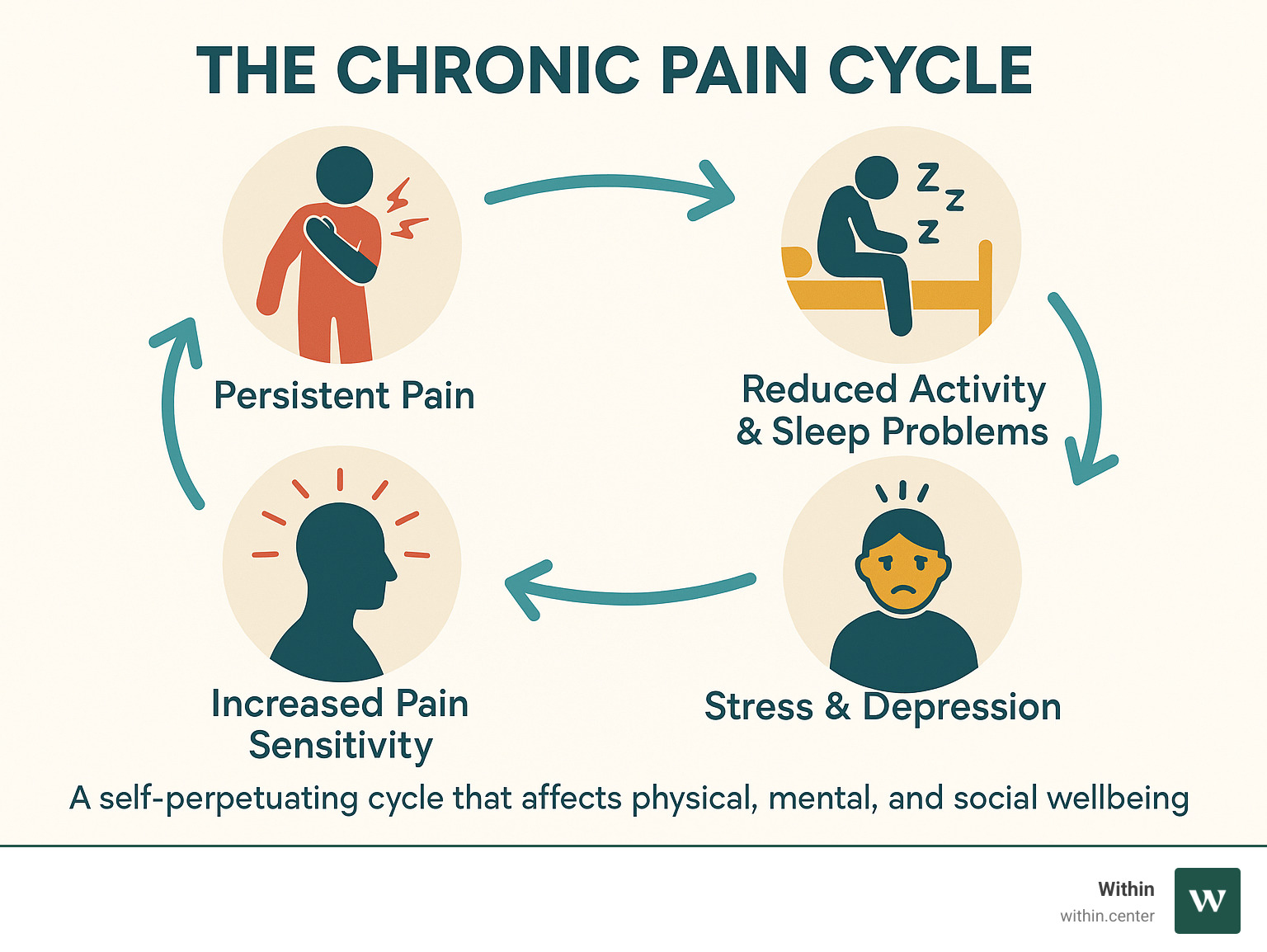
This persistent pain creates a vicious cycle. Chronic pain can limit quality of life and lead to complications beyond physical symptoms. As research shows, people with chronic pain frequently experience depression, anxiety, and sleep problems that can actually make the pain worse.

The impact goes far beyond physical discomfort. Chronic pain affects your ability to work, maintain relationships, and enjoy activities you once loved. It can leave you feeling isolated and hopeless, wondering if relief will ever come.

But here’s what’s important to understand: effective chronic pain management is possible. Today’s treatment approaches recognize that chronic pain isn’t just about damaged tissue – it’s about how your nervous system processes and amplifies pain signals. This understanding has opened doors to new treatments that address both the physical and emotional aspects of persistent pain.

Whether your pain stems from arthritis, fibromyalgia, nerve damage, or has no clear cause, there are proven strategies that can help you reclaim your life. The key is finding the right combination of treatments that work for your unique situation.

Infographic showing the chronic pain cycle: persistent pain leads to reduced activity and sleep problems, which increases stress and depression, which amplifies pain sensitivity, creating a self-reinforcing cycle that affects physical, mental, and social wellbeing - Chronic pain relief infographic

Understanding Chronic Pain: The What, Why, and How It Affects You

When you’re living with chronic pain, it can feel like your body has betrayed you. But understanding what’s actually happening can be the first step toward finding relief. Let’s explore the science behind persistent pain and how it might be affecting your daily life.

What is Chronic Pain and Its Causes?

Think of your nervous system as your body’s alarm system. When you touch something hot or twist your ankle, pain signals race through your nervous system to warn you of danger. This is acute pain – sharp, immediate, and usually temporary.

Chronic pain is different. It’s pain that lasts 3+ months or longer, often continuing long after the original injury has healed. Sometimes it develops from an injury or infection that never quite resolved. Other times it stems from ongoing conditions like arthritis, fibromyalgia, or nerve damage. And frustratingly, chronic pain sometimes has no clear cause at all.

Here’s what makes chronic pain so complex: your body’s alarm system gets stuck in the “on” position. Even when there’s no immediate danger, the pain signals keep firing. This happens through a process called central sensitization, where your brain and nervous system become hypersensitive to pain. It’s like having a smoke detector that goes off every time you make toast – the system meant to protect you becomes overactive.

The scientific research on chronic pain continues to reveal new insights about how these persistent pain signals develop and why they’re so challenging to treat.

Common Risk Factors and Triggers

While chronic pain can strike anyone, certain factors make some people more vulnerable. Age plays a role – about 65% of Americans over 65 report chronic pain as wear and tear accumulates over time.

Gender differences are also significant. Women experience chronic pain more frequently than men and face higher risks for conditions like fibromyalgia and migraines. Genetics can predispose you to certain pain conditions, while previous injuries may leave lasting changes in how your nervous system processes pain.

Perhaps most importantly, psychological factors like stress and depression don’t just accompany chronic pain – they can actually make it worse. Your mind and body are deeply connected, and emotional distress can amplify physical pain signals. It’s not “all in your head,” but your mental state genuinely affects how your brain processes pain.

brain-body connection in pain perception - Chronic pain relief

The Widespread Impact on Daily Life

Living with chronic pain touches every corner of your life. The physical limitations are often the most obvious – simple tasks like grocery shopping or playing with your children can become overwhelming challenges. But the ripple effects go much deeper.

The emotional toll can be devastating. Research shows that 25% of chronic pain patients develop depression, while two-thirds struggle with concentration and memory problems. When pain never gives you a break, it’s natural to feel frustrated, anxious, or hopeless.

Social isolation often follows. You might start declining invitations or avoiding activities you once enjoyed. Friends and family may not understand why you look fine but feel terrible, leading to strained relationships and loneliness.

Work challenges are common too. About 25% of people with chronic pain have to leave their jobs, while 50% of those still working report they can’t perform at their best. The financial stress only adds to the burden.

Perhaps most concerning is the link between chronic pain and mental health conditions, including PTSD. The constant stress of living with pain can trigger or worsen psychological symptoms, creating a cycle where pain and mental health issues feed off each other.

Understanding these connections is crucial for effective chronic pain relief. When you recognize that chronic pain affects your whole person – not just the part that hurts – you can begin to see why comprehensive treatment approaches often work best. Resources like Coping with Chronic Pain can provide additional support as you steer these challenges.

The good news? Recognizing these patterns is the first step toward breaking them. Once you understand what you’re dealing with, you can start building a plan to reclaim your life from chronic pain.

A Spectrum of Solutions: Medical and Pharmacological Treatments

When it comes to chronic pain relief, there’s no “one-size-fits-all” solution. It’s truly a journey to find what works best for you. Many people find that a thoughtful combination of approaches yields the best results, custom to your unique needs and the kind of pain you’re experiencing. Medications can play a significant role for many, but it is important to understand their benefits, potential risks, and how they fit into a broader plan that includes movement, mind-body work, and lifestyle changes.

Over-the-Counter and Prescription Medications

These are often the first steps many people take to manage pain. They range from options you can pick up at the pharmacy to stronger medications that require a prescription. Here are common options and how they compare:

Medication TypeHow It WorksBenefitsRisks and CautionsBest Use Cases
NSAIDs (e.g., ibuprofen, naproxen; some prescription-strength)Reduce inflammation by inhibiting COX enzymesHelpful for inflammatory pain (arthritis, strains, menstrual pain); reduce swellingStomach irritation/bleeding, kidney strain, increased blood pressure, possible heart risks; avoid or use cautiously with GI, kidney, or heart diseaseShort courses for flares of inflammatory pain; use the lowest effective dose
Acetaminophen (paracetamol)Acts centrally to reduce pain and fever (not anti-inflammatory)Gentle on the stomach; useful when inflammation is not the main driverLiver toxicity at high doses or with alcohol; keep total daily dose within recommended limits and consider all combination productsMild to moderate pain (headache, osteoarthritis) when NSAIDs are not appropriate
COX-2 inhibitors (e.g., celecoxib)Target COX-2 to lower inflammation with less GI irritationLower risk of stomach ulcers vs. traditional NSAIDsPotential cardiovascular risks; use under medical guidance, especially with heart disease riskChronic inflammatory conditions when NSAIDs help but GI side effects are a concern

As with all medications, dosing and duration should be individualized. Discuss your medical history and other medicines or supplements you take with your clinician to avoid interactions.

Antidepressants and Anti-Seizure Medications for Nerve Pain

Neuropathic pain (from conditions like diabetic neuropathy, shingles/postherpetic neuralgia, spinal nerve compression, or fibromyalgia) often responds poorly to standard painkillers. Certain antidepressants and anti-seizure medications can help by modulating how the nervous system processes pain signals.

  • Antidepressants: Tricyclics (e.g., amitriptyline, nortriptyline) and SNRIs (e.g., duloxetine, venlafaxine) can reduce nerve pain and improve sleep and mood, which further supports pain relief. See an overview at Antidepressants for chronic pain.
  • Anti-seizure medications: Gabapentin and pregabalin can calm overactive nerve signaling and reduce burning or electric-shock sensations common in neuropathic pain.

These medicines often start at low doses and are slowly increased to balance benefit and side effects (like drowsiness, dry mouth, or dizziness). Because pain is intertwined with mood and stress, pairing medication with psychotherapy, mindfulness, and integration support can improve outcomes. For perspective on the value of therapy within a broader healing plan, see More info about the importance of therapy.

The Role and Risks of Opioids

Opioids can provide powerful relief for severe, acute pain and for carefully selected cases of chronic pain when other treatments fall short. However, for chronic non-cancer pain, opioids carry significant risks: tolerance, dependence, constipation, hormonal changes, heightened pain sensitivity over time, and addiction and overdose risk.

If opioids are considered, they should be used at the lowest effective dose, with clear functional goals, time-limited trials, and close monitoring. They are generally a last-resort option after safer treatments are tried or used in combination with non-opioid strategies. For context on comprehensive pain strategies, see More info on moving beyond opioids.

Interventional Procedures

When medication and conservative therapies are not enough, image-guided procedures can target pain at its source:

  • Epidural steroid injections: Reduce inflammation around irritated spinal nerves (e.g., sciatica).
  • Facet or sacroiliac joint injections: Diagnose and treat pain arising from spinal or pelvic joints.
  • Nerve blocks: Temporarily interrupt pain signaling to help both diagnosis and relief.
  • Radiofrequency ablation (RFA): Uses heat to disrupt pain-transmitting nerve fibers for longer-lasting relief (often 6–12 months) in select joint or spine pain.
  • Pain pumps (intrathecal therapy): Deliver tiny doses of medication directly to the spinal fluid for severe, refractory pain under specialist care.

These procedures are performed by trained clinicians (often anesthesiology, pain medicine, or physical medicine and rehabilitation specialists). Benefits can include reduced pain and improved function, sometimes enabling lower doses of oral medications. As with any procedure, discuss risks, expected duration of benefit, and how each fits into your overall plan.

Putting it together: Medications and procedures are most effective when paired with physical therapy, sleep and stress skills, and meaning-making work that calms the nervous system and supports change. A team-based approach helps you weigh the tradeoffs of each option and adjust the plan as your body and life evolve.