
Category

Ketamine Retreat

Ketamine Treatment Programs: What to Expect on Your Healing Journey

By Ketamine RetreatNo Comments

ketamine treatment program - Ketamine treatment program

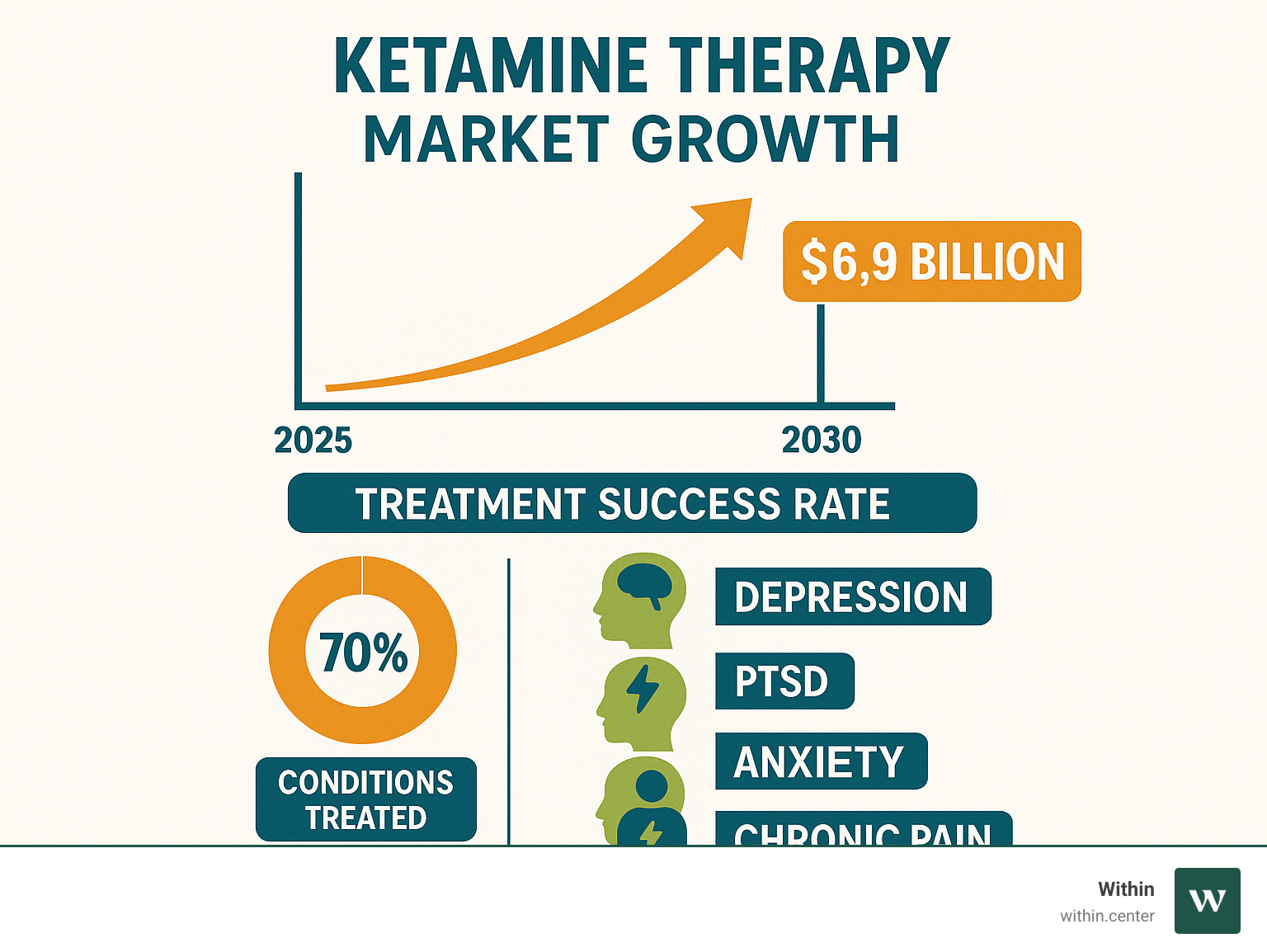
A ketamine treatment program offers hope for treatment-resistant depression, anxiety, PTSD, and other conditions unresponsive to traditional therapies. These programs combine ketamine therapy with psychological support to create lasting change.

Key components of ketamine treatment programs:

  • Medical supervision – Licensed physicians oversee treatment and monitor safety
  • Multiple administration methods – IV infusion, oral, or sublingual options
  • Therapeutic support – Integration sessions to process insights and experiences
  • Personalized dosing – Custom to individual weight, medical history, and response
  • Structured timeline – Typically 6-8 sessions over 2-3 weeks for initial series
  • Ongoing care – Maintenance sessions and long-term support as needed

If traditional treatments haven’t provided lasting relief, you’re not alone. Research shows 22% of people with depression have a treatment-resistant form, for which ketamine offers a new pathway to healing.

Unlike traditional antidepressants, which can take weeks to work, ketamine often brings rapid improvements—sometimes within hours or days. As Dr. Tom Insel noted, ketamine “might be the most important breakthrough in antidepressant treatment in decades.”

The key difference is how ketamine works. Instead of targeting neurotransmitter systems like most psychiatric medications, ketamine blocks NMDA receptors. This promotes neuroplasticity—your brain’s ability to form new connections—creating a “neuroplastic window” where therapy is more effective and lasting change is possible.

Comprehensive infographic showing how ketamine treatment programs work, including the brain's NMDA receptors, glutamate release, BDNF production, neuroplasticity improvement, and the integration of ketamine sessions with therapeutic support for lasting mental health improvements - Ketamine treatment program infographic

Understanding Ketamine Therapy: A New Path to Mental Wellness

Originally an anesthetic from the 1960s, ketamine is now a major breakthrough in mental health. Its unique mechanism of action sets it apart from previous treatments. Most antidepressants, like SSRIs, adjust neurotransmitters such as serotonin. Ketamine is different; it helps the brain build new neural highways.

During therapy, ketamine blocks NMDA receptors. This blockage triggers a release of glutamate, a powerful neurotransmitter that stimulates brain growth. This process boosts brain-derived neurotrophic factor (BDNF), which acts like fertilizer for neurons. BDNF promotes new connections (a process called synaptogenesis), particularly in the prefrontal cortex, which regulates mood and decision-making. This explains ketamine’s rapid effects.
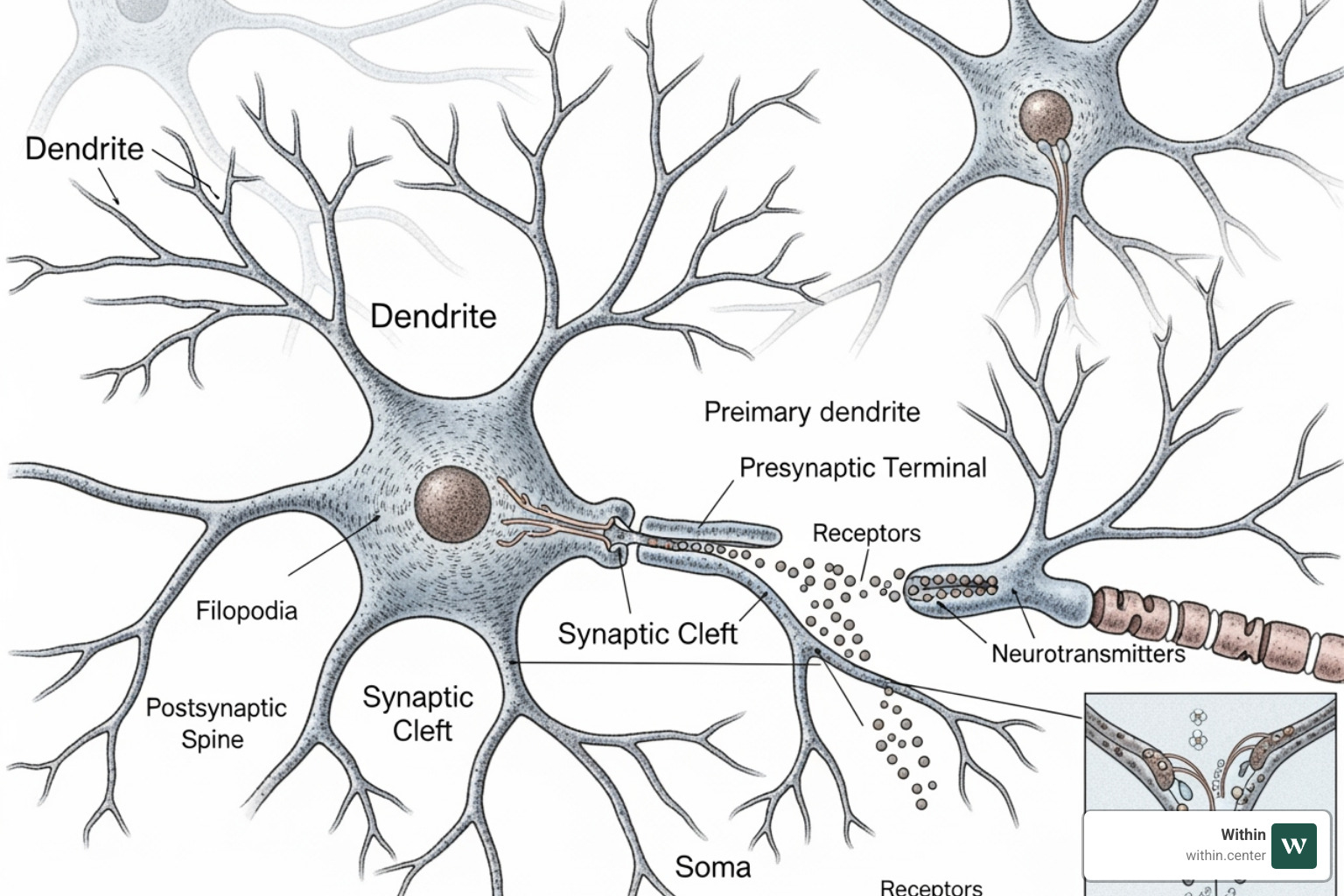
A diagram showing a neuron forming new connections (synaptogenesis) - Ketamine treatment program

This neuroplastic window—a period of improved brain flexibility—is what makes ketamine-assisted therapy so powerful. It allows for the creation of new, healthier neural pathways, much like forging new trails in a dense forest.

What Conditions Can Ketamine Help Treat?

Initially focused on treatment-resistant depression, clinicians now find ketamine helps a broader range of conditions.

Treatment-resistant depression (TRD) remains its strongest application. For the one in five people with depression who don’t respond to multiple antidepressants, a ketamine treatment program can be life-changing, offering relief in hours or days.

Post-traumatic stress disorder (PTSD) is another condition that responds well. Ketamine creates emotional distance from trauma, allowing for safer processing of difficult memories that were previously inaccessible in therapy.

Anxiety disorders, including generalized anxiety, social anxiety, and panic disorder, often improve as the therapy quiets an overactive nervous system and reduces chronic worry.

Obsessive-compulsive disorder (OCD) shows promising results, with many reporting reduced obsessive thoughts and compulsive behaviors.

Chronic pain conditions, such as fibromyalgia, can also benefit. The neural pathways influencing mood also affect the perception of physical pain.

Bipolar disorder can be treated for depressive episodes, but it requires careful medical supervision and mood stabilization.

The Ways Ketamine is Administered at Within

At Within, your comfort and safety guide our choice of administration methods for your ketamine treatment program.

IV infusion provides precise dosage control. Administered over 40-55 minutes, it allows our medical team to monitor and adjust your dose in real-time, ensuring a consistent experience.

Oral or sublingual lozenges provide a gentler, more gradual onset as they dissolve in the mouth. This method is well-suited to our comfortable, home-like retreat setting.

IV infusion and oral/sublingual lozenge for ketamine administration - Ketamine treatment program

Every session at Within includes full medical supervision, ensuring you feel safe and supported as you explore the therapeutic potential of your experience.

Who is a Good Candidate for a Ketamine Treatment Program?

Deciding on a ketamine treatment program is a personal choice. At Within, we tailor our approach to your unique health journey. The most common candidates suffer from treatment-resistant depression, having tried at least two antidepressants and therapy without success. This indicates your brain may need a different approach, not that you’ve failed.

We also work with individuals facing severe anxiety, PTSD, or chronic pain who feel stuck with conventional treatments. Your motivation for change is crucial. Ketamine creates opportunities, but success depends on your full engagement in preparation, ketamine sessions, and integration therapy. A comprehensive medical and psychiatric evaluation is required for every participant to ensure ketamine is a safe and appropriate option for your specific health history and needs.

The Harvard Health Blog has excellent information on ketamine for treatment-resistant depression if you want to dive deeper into the research.

Key Benefits and Potential Side Effects

A key benefit of a ketamine treatment program is rapid symptom relief. Unlike traditional antidepressants, ketamine can reduce depressive symptoms within hours or days. This rapid action can be life-saving for those with suicidal thoughts, providing the space needed for deeper therapeutic work.

Ketamine also increases neuroplasticity, creating fertile ground for new, healthier thought patterns. Patients often report feeling more open, creative, and hopeful after treatment.

Temporary side effects can occur. Dissociation, a feeling of detachment, is common and often a profound part of the therapeutic process. Mild nausea is manageable with medication, and we continuously monitor for temporarily increased blood pressure and heart rate. The altered state of consciousness can include vivid imagery and shifts in perception, which often yield valuable insights. Impaired motor coordination lasts for about 24 hours, so driving is prohibited. Long-term side effects are rare with controlled, therapeutic doses.

Contraindications: Who Should Avoid Ketamine Therapy?

Your safety is our priority. Our thorough screening identifies contraindications to ensure ketamine is a safe choice for you.

Ketamine is unsuitable for individuals with:

  • Active psychosis or mania, as symptoms can worsen.
  • Uncontrolled high blood pressure, as ketamine temporarily raises it.
  • Certain heart conditions, such as a recent heart attack or unstable angina.
  • Pregnancy and breastfeeding, due to a lack of safety research.
  • Severe liver or kidney disease, which can impair processing the medication.
  • Allergies to ketamine or related compounds.

Careful consideration is required for those with recent substance use disorders. Other potential contraindications include uncontrolled thyroid issues, recent seizures, or unstable glaucoma. Medication interactions, especially with MAOIs, can be dangerous, so a complete medication list is required. This screening ensures we find the safest, most effective path for you.

The Role of Therapy in a Ketamine Treatment Program

Ketamine isn’t a magic bullet. While it rapidly lifts symptoms, real, lasting change comes from combining it with dedicated therapy. This is the principle behind Ketamine-Assisted Psychotherapy (KAP), the focus of our ketamine treatment programs.

Ketamine creates a “neuroplastic window”—a period when the brain is more flexible and open to new connections. This state makes it easier to reshape thoughts and behaviors that have been stuck for years. This window is temporary, so without therapeutic support to process insights and build new patterns, you risk returning to old ways. Therapy is therefore essential. Our therapists support you at every stage: setting intentions, providing a safe presence during sessions, and guiding you through integration afterward.

A therapist and patient in a comfortable integration session - Ketamine treatment program

As we explore in our article Why Ketamine Alone Isn’t Enough, lasting healing requires more than a chemical shift; it demands understanding, processing, and building new habits.

What to Expect from a Ketamine Treatment Program

Starting a ketamine treatment program can feel daunting, but our process is designed to be comfortable and supportive.

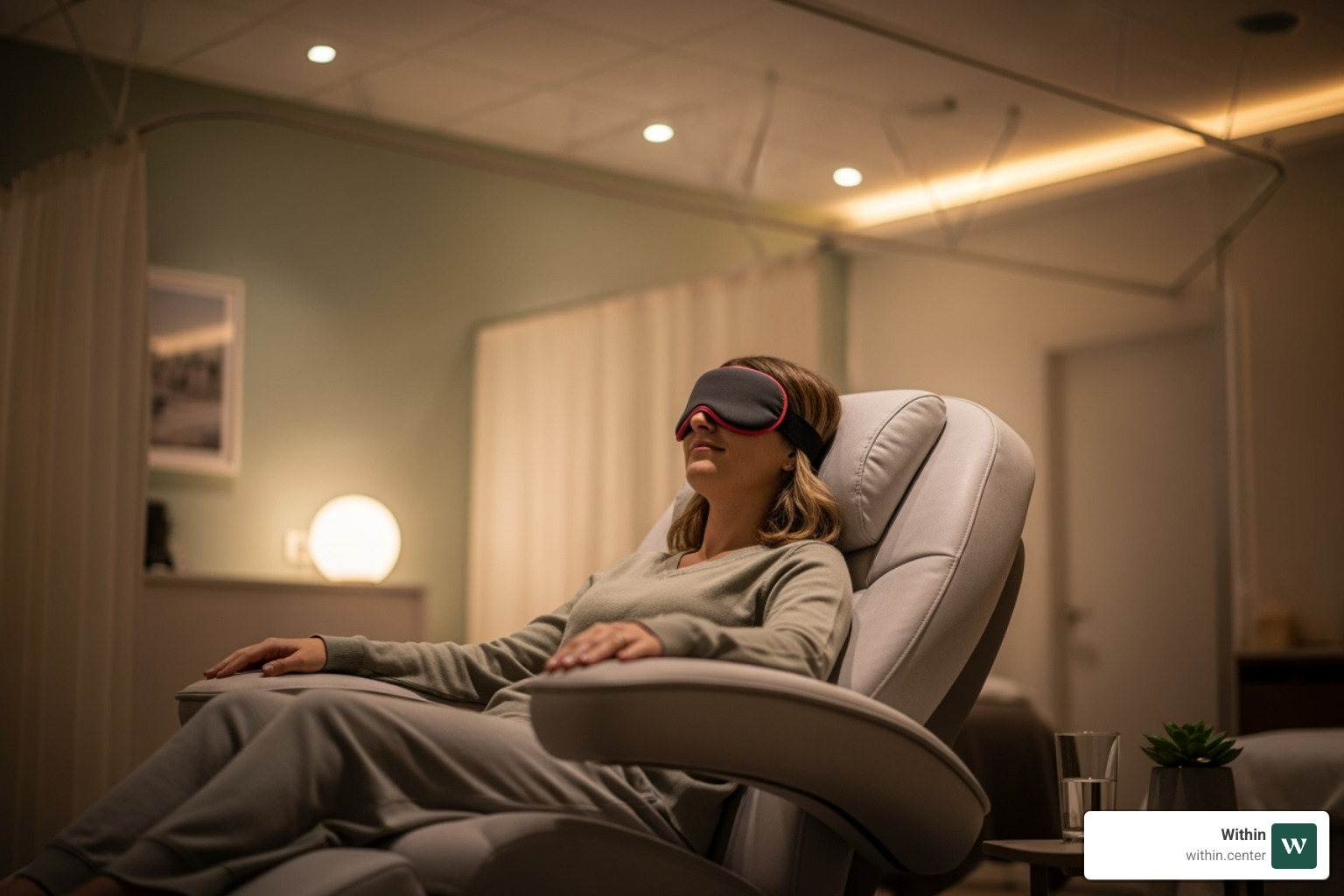
Your journey starts with preparation sessions where we discuss your goals, explain the process, and help you set intentions. During dosing sessions, you’ll be in a peaceful space, supported by our medical team who monitor your vitals. The ketamine experience is unique to each person, often involving a meditative state with profound insights. Painful memories may lose their sting, allowing you to examine them with curiosity. Active effects last 45-90 minutes, but the work continues in integration sessions, where we help you unpack your experience and apply it to your life.

Here’s how a ketamine treatment program compares to traditional depression treatments:

FeatureKetamine Therapy ProgramTraditional Antidepressants
Speed of ReliefOften works within hours or daysUsually takes 4-8 weeks to notice effects
How It WorksBlocks NMDA receptors, promotes new brain connectionsAdjusts serotonin and other neurotransmitter levels
Treatment StyleStructured series of sessions with intensive therapy supportDaily pills, often taken long-term
The ExperienceCan involve profound insights and altered states of consciousnessGradual mood stabilization without dramatic experiences
Therapy ComponentDeeply integrated – therapy is essential for processing insightsTherapy is helpful but separate from how the medication works

For real stories about what these experiences are like, check out Ketamine Therapy Experiences: Real Voices and Expert Insight. Every person’s journey is unique, but our comprehensive approach ensures you’re supported through every moment.

Why Integration is the Key to Lasting Change

If ketamine creates fertile ground, integration is the work that helps new insights grow into lasting change. It transforms temporary insights into permanent lifestyle shifts.

Our comprehensive integration approach includes:

  • Therapeutic support: Experienced therapists help you make sense of your experience.
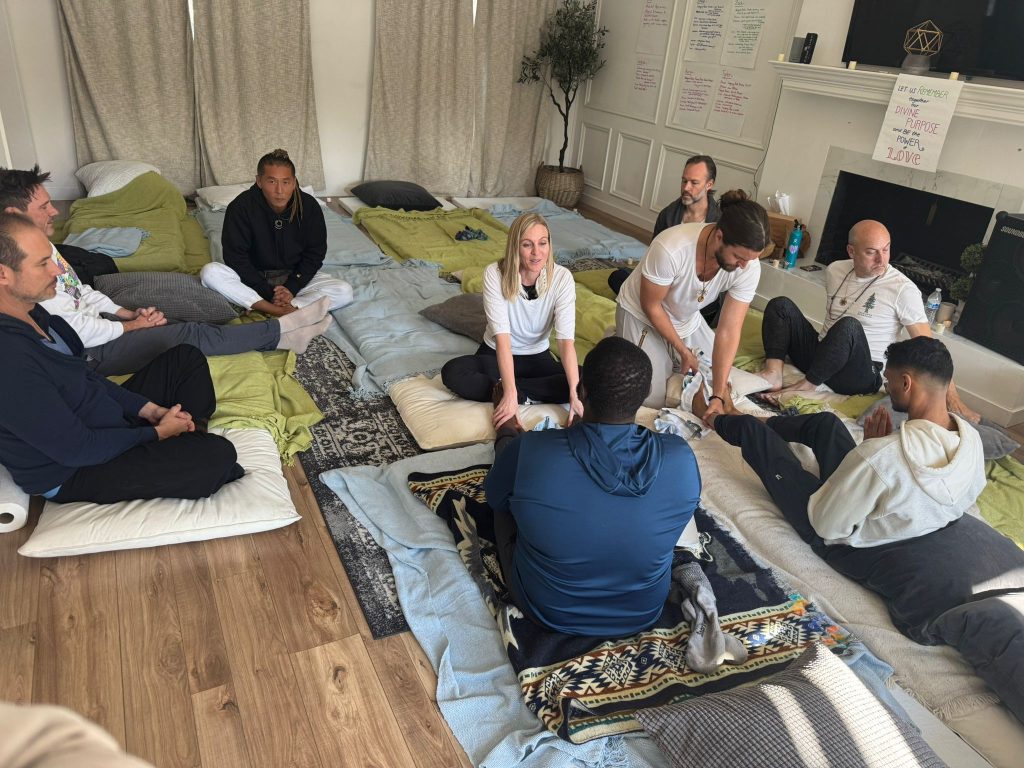
  • Community connection: At our retreat, sharing with others on a similar path provides powerful support.
  • Somatic practices: Movement and breathwork help release stored tension.
  • Journaling and mindfulness: These tools help cement insights and stay present.
  • Developing new habits: We help you build healthier stress responses and communication skills during this neuroplastic state.

As we discuss in How Important is the Therapy Component of Ketamine Therapy?, the therapy component is what makes the difference between temporary relief and lasting change. Our goal isn’t just to help you feel better for a few weeks. We want to help you build a foundation for long-term wellbeing and resilience.

Navigating the Practicalities of Ketamine Treatment

Choosing a ketamine treatment program involves practical considerations like cost and insurance. We’re here to simplify this for you.

The reality is that ketamine for mental health is still considered “off-label” by the FDA (except for Spravato), so most insurance plans don’t cover it. Most programs are cash-pay. However, associated services like medical consultations and therapy sessions may be reimbursable. We provide superbills for reimbursement that you can submit to your insurance for potential out-of-network coverage. Financing options like CareCredit can also make the investment more accessible. Our team can help you explore these options.

Finding the Right Ketamine Treatment Program for You

Choosing the right ketamine treatment program is a big decision. With many options available, the key is finding an approach that feels right for you.

At Within, our immersive retreat experience at AWKN Ranch near Austin offers a unique alternative to standard clinic visits. This live-in model provides constant support in an environment designed for deep, lasting change.

When exploring programs, prioritize:

  • Medical supervision: Ensure qualified professionals oversee your care and safety.
  • Therapeutic support: Effective programs integrate ketamine with psychotherapy, including preparation and integration.
  • A holistic approach: Look for programs that include elements like mindfulness, somatic work, and community.
  • Experience and reputation: Research the provider, ask about success rates, and read testimonials.
  • The environment: The setting is impactful. Ketamine creates a vulnerable state, so feeling safe is paramount. Our peaceful ranch setting provides a nurturing backdrop for deep healing.
A peaceful retreat setting like a ranch - Ketamine treatment program

Finding the right program means finding the right partners. Our immersive retreat model offers a comprehensive, community-focused approach for genuine change.

Frequently Asked Questions about Ketamine Programs

Considering a ketamine treatment program brings up common questions about speed, safety, and lasting benefits. Let’s explore the answers.

How quickly does ketamine therapy work for depression?

A remarkable aspect of ketamine therapy is its speed. Unlike traditional antidepressants, it often brings relief within hours to days of the first session. Research shows significant improvement in depression and suicidal thoughts within hours. However, the most significant and lasting results come from a full ketamine treatment program with multiple sessions and integration. The initial relief opens a door; therapy helps you walk through it.

Is ketamine therapy addictive?

This is a common and valid concern. While ketamine has misuse potential, the risk of addiction is low when used in a controlled, clinical setting. Our approach minimizes risk. We use controlled, sub-anesthetic doses in a structured program. Our team screens all candidates for substance use history, and you are professionally supervised at all times. The intermittent use in therapy, unlike daily recreational use, also reduces addiction risk.

How long do the benefits of a ketamine treatment program last?

This varies, but the initial antidepressant effects of the medication typically last from days to weeks. Our goal, however, is sustainable improvement. Our comprehensive ketamine treatment program with Ketamine-Assisted Psychotherapy (KAP) uses the neuroplastic window to help you build new thought patterns and coping skills. Many participants opt for maintenance programs—periodic sessions that solidify and extend their progress for long-term success. The key is that ketamine opens the door, while integration builds the foundation for lasting well-being.

Conclusion: A Doorway to Deeper Healing

If traditional approaches haven’t worked, your healing journey isn’t over. A ketamine treatment program offers a genuine breakthrough, combining neuroscience with therapeutic and community support.

Ketamine’s power isn’t just its rapid effects on conditions like depression and PTSD. It’s the neuroplastic window it creates, making the brain flexible and open to change. This allows therapeutic work to create lasting change that was previously out of reach.

We’ve learned that ketamine alone isn’t enough. The real magic requires a supportive container: experienced professionals, a safe environment, and a community of peers who understand. Our immersive retreat experience at AWKN Ranch near Austin provides this healing environment. You get the time and space to integrate your experiences, surrounded by nature, our team, and a supportive community focused on holistic well-being.

The future of mental health is changing. Psychedelic therapy offers new hope, but it’s not a quick fix. It’s about using powerful tools thoughtfully, with proper support, to build the life you actually want to live.

If you’re ready to explore what’s possible beyond conventional treatment, we’re here to support you. This could be the doorway to deeper healing you’ve been looking for. Learn more about our approach in The Doorway In: How Psychedelic Therapy and Community Care are Changing Mental Health and take the next step by exploring our ketamine retreat programs.

Your healing journey is waiting. And you don’t have to walk it alone.

Find serenity with expert anxiety treatment Texas. Explore traditional & innovative therapies to personalize your path to wellness.

anxiety treatment Texas - Anxiety treatment Texas

Anxiety treatment Texas offers a wide range of options for those seeking relief and lasting wellness. If you’re looking for help right now, here are key approaches available:

  • Cognitive Behavioral Therapy (CBT): A leading evidence-based therapy that helps you change negative thought patterns.
  • Medication Management: Prescription medications can help manage symptoms, often alongside therapy.
  • Innovative Therapies: Options like Ketamine-Assisted Psychotherapy (KAP) and Microcurrent Neurofeedback (MCN) offer new paths for healing.
  • Specialized Centers: Texas has dedicated facilities providing comprehensive, individualized treatment plans, from outpatient to immersive programs.

Anxiety is the most common mental illness in the United States, affecting nearly a third of all adults. For many, constant worry and fear can make even simple daily activities tough. It can disrupt sleep, impact relationships, and make you feel stuck in a fog.

But there’s good news. Millions of Texans have found effective help. You don’t have to face anxiety alone. This guide will walk you through the many effective treatment options available across the state. It’s about finding the right path to help you regain control and find lasting serenity.
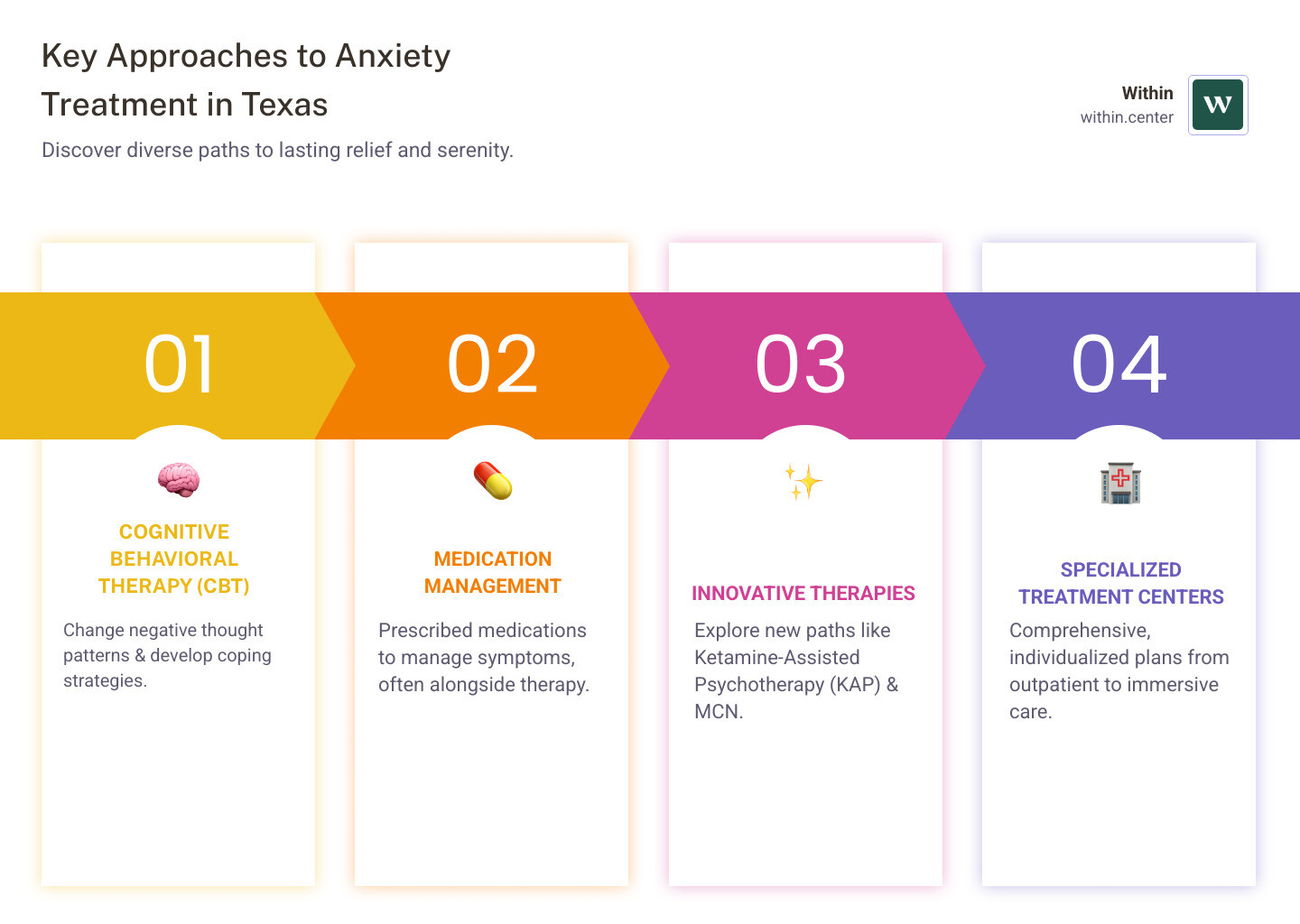
Infographic on Anxiety Treatment Options in Texas - Anxiety treatment Texas infographic pillar-4-steps

Nearly everyone experiences anxiety at some point. That knot in your stomach before a big presentation or the stress of a looming deadline are normal responses that help us stay safe. But for some, these feelings become intense and unmanageable, crossing the line from a normal emotion to a clinical anxiety disorder.

A graphic illustrating the difference between everyday stress and a clinical anxiety disorder - Anxiety treatment Texas

In an anxiety disorder, symptoms are so severe they make daily activities difficult or impossible. This persistent state of apprehension leads to a range of emotional and physical symptoms. Emotionally, you might feel overwhelming fear, worry, irritability, and have trouble focusing. Physically, your body might react with a rapid heartbeat, sweating, shortness of breath, muscle tension, nausea, and sleep problems. These symptoms can disrupt work, relationships, and your overall ability to function.

To learn more about the specifics, you can visit the National Institute of Mental Health’s page on What are anxiety disorders?.

What are the Different Types of Anxiety Disorders?

Anxiety isn’t a one-size-fits-all condition; it manifests in various forms. Understanding these types is the first step toward finding the right anxiety treatment Texas.

Here are some of the most common anxiety disorders:

  • Generalized Anxiety Disorder (GAD): This involves persistent, excessive worry about everyday things, often without a clear reason.
  • Panic Disorder and Panic Attacks: This involves recurrent, unexpected panic attacks—sudden, intense episodes of fear with severe physical reactions. These attacks can feel terrifying, like you’re losing control or having a heart attack. Agoraphobia often co-occurs.
  • Social Anxiety Disorder (Social Phobia): This is an intense fear of social situations due to fear of being judged, embarrassed, or humiliated, leading to avoidance of social events.
  • Specific Phobias: This is an intense, irrational fear of a specific object or situation (like heights or flying) that is disproportionate to the actual danger.
  • Obsessive-Compulsive Disorder (OCD): While now classified separately, OCD often involves anxiety-provoking obsessive thoughts and compulsive behaviors. Many anxiety treatment programs still address OCD due to the strong symptom overlap.
  • Post-Traumatic Stress Disorder (PTSD): Also now classified separately, PTSD can develop after a terrifying event. Symptoms include flashbacks, nightmares, and severe anxiety. Treatment programs for anxiety often address PTSD due to the significant anxiety component.

Common Signs You May Need Professional Help

Recognizing the signs is a brave first step. If you experience any of the following persistently, it might be time to seek professional anxiety treatment Texas:

  • Constant Worry: You worry constantly about things, even if they haven’t happened, and it feels uncontrollable and exhausting.
  • Overwhelming Fear: You feel intense, persistent fear that is disproportionate to the situation.
  • Increased Heart Rate and Physical Symptoms: Your body is on high alert, with physical symptoms like a rapid heart rate, sweating, shortness of breath, muscle tension, or nausea.
  • Difficulty Sleeping: You have trouble falling or staying asleep, which can make anxiety worse.
  • Avoiding Social Situations: You avoid activities or social gatherings you once enjoyed due to fear or self-consciousness.
  • Trouble Concentrating: The constant worry makes it hard to focus on work, school, or conversations.

When anxiety symptoms interfere with your work, relationships, and overall happiness, professional support can make a profound difference. You can find more information on common symptoms of anxiety from the Mayo Clinic: Common symptoms of anxiety.

Navigating Anxiety Treatment in Texas: From Traditional to Innovative Approaches

Starting on the journey of anxiety treatment Texas means finding a whole spectrum of helpful approaches. Our goal isn’t just to manage symptoms, but to equip you with long-term skills, help you cope with triggers, and ultimately guide you toward a healthier, more fulfilling life. Often, the most effective path involves combining different therapies, all personalized to your unique needs and goals.

A calm and professional therapy session - Anxiety treatment Texas

Foundational Therapies for Lasting Relief

When it comes to effective anxiety treatment Texas, some therapeutic approaches truly stand out for their proven results. These are often the first steps and form the strong foundation for many people’s recovery journeys.

One cornerstone is Psychotherapy, often known as Talk Therapy. This involves working with a trained mental health professional to explore the roots of your worries, understand your patterns, and develop healthier ways to cope. It’s about gaining deep insights and building inner strength.

Cognitive Behavioral Therapy (CBT) is considered the “gold standard” for anxiety treatment. This research-backed therapy is based on the connection between our thoughts, feelings, and behaviors. CBT helps you identify and change unhelpful thought patterns, like catastrophizing, and replace them with more realistic ones. It often includes exposure therapy—gradually facing feared situations in a safe environment to build confidence. Many people find significant relief within 8 to 12 weeks. You can explore more about the research behind CBT for anxiety here: Research on CBT for anxiety.

Finally, Mindfulness-Based Therapy brings in practices that focus on being fully in the present moment, without judgment. It teaches you to observe anxious thoughts and feelings without getting caught up in them, which can significantly reduce the intensity of your symptoms.

The Role of Medication in Anxiety Management

For many, medication is a crucial part of a comprehensive anxiety treatment Texas plan, especially for severe symptoms. It’s most effective when combined with psychotherapy.

Medication for anxiety is prescribed and managed by a psychiatrist, who can assess your needs and find the right type and dosage. Common medications include antidepressants (like SSRIs) for long-term management and benzodiazepines (like Xanax) for short-term relief of severe anxiety. Medication management involves regular check-ups to monitor effectiveness and side effects. The goal is to use medication as a tool to ease symptoms so you can fully engage in therapy and build lasting coping skills.

Innovative and Psychedelic-Assisted Therapies at Within

At Within, we are dedicated to offering cutting-edge anxiety treatment Texas options, especially for those who haven’t found relief through traditional methods. We believe in using neuroscience and holistic healing to open doors to profound change.

One of our key offerings is Ketamine-Assisted Psychotherapy (KAP), which combines low-dose ketamine with structured psychotherapy. Ketamine promotes neuroplasticity—the brain’s ability to form new, healthy connections. This “rewiring” of neural pathways creates a unique window for deeper therapeutic work, helping unconscious feelings surface and making therapy more effective. KAP can accelerate healing for tough-to-treat anxiety, depression, and PTSD, with results often felt in weeks, not years. You can dig deeper into this exciting therapy on our dedicated page: What is Ketamine Therapy?.

Another groundbreaking approach we use is Microcurrent Neurofeedback (MCN). This therapy gently applies brief microcurrent stimulation to encourage your brain and nervous system to reorganize themselves. MCN helps “disentrain” the nervous system, leading to better brainwave harmony and improved mental well-being. It’s been shown to help with anxiety, OCD, depression, and PTSD. Many clients notice positive changes in as few as 1 to 3 sessions.

We strongly emphasize that while these innovative therapies are powerful, the therapy component is essential. The insights gained are most effectively sustained when processed within a supportive therapeutic framework. This integration is the key to turning temporary relief into lasting change. Learn more about The importance of the therapy component.
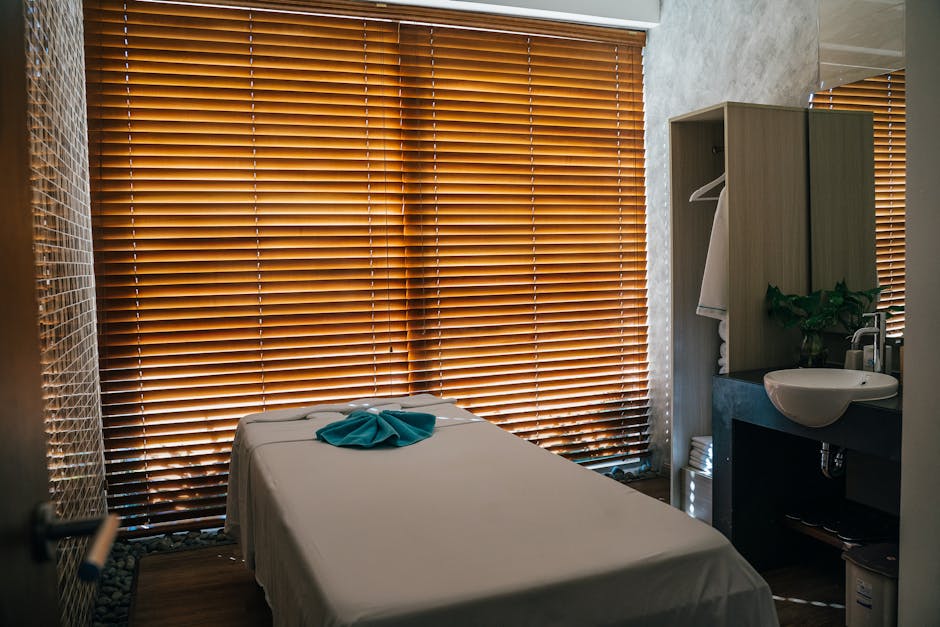
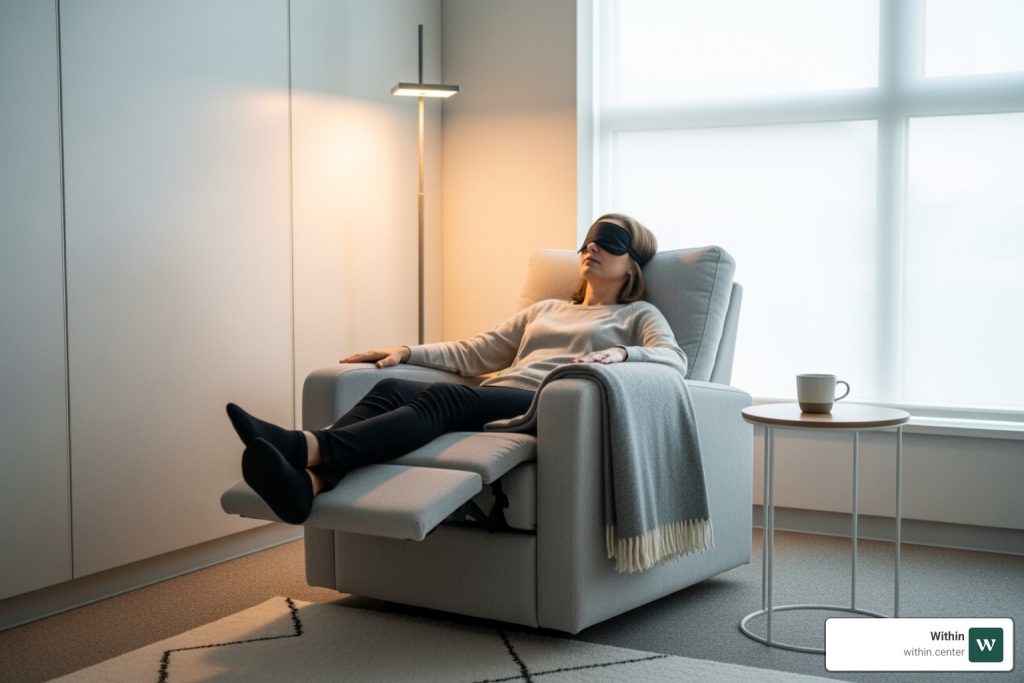
A comfortable, safe, and modern therapy room designed for innovative treatments - Anxiety treatment Texas

Choosing Your Path to Wellness in Texas

Navigating the myriad of options for anxiety treatment Texas can feel overwhelming, but finding the right fit is crucial for your healing journey. Your path to wellness should be as unique as you are, custom to your specific needs, preferences, and lifestyle.

At Within, we understand that true healing goes beyond symptom management. That’s why we offer an immersive, live-in retreat experience at AWKN Ranch near Austin, Texas, coupled with comprehensive integration support and a strong community focus. This contrasts with traditional outpatient models, providing a deeply holistic approach to well-being.

Here’s a comparison of outpatient care versus our immersive retreat model:

FeatureOutpatient TreatmentImmersive Retreat Treatment (e.g., Within)
SettingClinic visits, remote sessions, daily life continuesDedicated, supportive, residential environment
IntensityWeekly/bi-weekly sessions, self-managed outside sessionsFull-time, structured program with constant support
FocusSymptom management, skill-buildingHolistic healing, deep change, integration
EnvironmentDaily stressors remain, requires self-disciplineRemoved from triggers, dedicated to healing
CommunityLimited peer interaction, individual focusStrong community bonds, shared healing journey
Integration SupportOften limited to therapy sessionsComprehensive, ongoing support post-retreat
Ideal ForMild-moderate anxiety, maintaining daily routineChronic/complex anxiety, desire for deep, rapid change

What to Look for in an Anxiety Treatment Center

When seeking anxiety treatment Texas, choose a center that resonates with your values. Here’s what we believe you should prioritize:

  • Specialized Clinicians: Seek centers with anxiety specialists, not just generalists. Their deep understanding of anxiety disorders and effective interventions can significantly improve your treatment quality.
  • Evidence-Based Practices: Ensure the center uses treatments backed by research, such as CBT, Mindfulness-Based Therapy, and, where appropriate, innovative therapies like KAP or MCN.
  • Individualized Treatment Plans: A good center will conduct a thorough assessment and develop a personalized treatment plan custom to your unique needs, goals, and severity of anxiety.
  • Holistic Approach: Effective treatment addresses the whole person—mind, body, and spirit. Look for centers offering a comprehensive approach with therapy, wellness education, and stress management. At Within, our immersive retreat provides holistic healing and comprehensive integration support to ensure lasting well-being within a supportive community.
  • Environment and Setting: The treatment environment plays a significant role in healing. Look for a setting that feels safe, supportive, and conducive to recovery, whether it’s a calming clinic or an immersive retreat like our AWKN Ranch.

Our team of experts at Within is dedicated to providing compassionate, individualized, and effective care. You can learn more about the passionate professionals guiding our programs here: Our Team of experts.

Specialized Anxiety Treatment in Texas for Different Age Groups

Anxiety treatment needs can vary across life stages. Anxiety treatment Texas offers specialized programs to meet these unique needs.

  • Children’s Programs: For children, anxiety can appear as excessive worry or school refusal. Treatment often involves play therapy, family therapy, and age-appropriate CBT to manage fears.
  • Adolescent Support: Teens face unique pressures fueling anxiety. Programs focus on coping skills, self-esteem, and social anxiety, often using individual, group, and family therapy.
  • Adult-Focused Care: Adult programs address the full spectrum of anxiety disorders, incorporating individual and group therapy, medication management, and stress management techniques.
  • Senior Anxiety: Anxiety in older adults can be overlooked. Programs for seniors focus on coping with life transitions, managing chronic health conditions, and reducing social isolation.
  • Family Involvement: Family involvement is often key to successful healing. Many centers offer family therapy or educational groups to help loved ones understand the disorder and provide effective support.

How to Handle Insurance and Payment in Texas

Navigating the financial aspects of anxiety treatment Texas can be stressful, but understanding your options can help.

  • Verifying Benefits: First, contact your insurance company to verify your mental health benefits. Ask about deductibles, co-pays, and out-of-pocket maximums for specific services like therapy or specialized programs.
  • In-Network vs. Out-of-Network: Check if a provider is in-network with your insurance. In-network providers usually mean lower out-of-pocket costs. Out-of-network providers may still be partially covered.
  • Private Pay Options: Many choose to self-pay for more flexibility and privacy, especially for innovative treatments not always covered by insurance.
  • Financing Plans: Some centers offer financing options like CareCredit to make treatment more accessible. Ask providers about payment plans or financing solutions.

Frequently Asked Questions about Anxiety Treatment

Starting the journey toward anxiety treatment Texas naturally brings up many questions. Let’s address the most common ones.

How long does anxiety treatment typically take?

The duration of treatment is unique to each person, depending on the type of anxiety and the chosen approach. With therapies like Cognitive Behavioral Therapy (CBT), many feel meaningful relief within 8-12 weeks.

However, the goal of effective anxiety treatment Texas is to develop lasting skills, not just quick symptom relief. Some benefit from short, intensive programs, while others need longer-term support. The investment in treatment provides long-term benefits for your well-being.

What is the first step to getting help for anxiety in Texas?

Taking the first step is simpler than it seems. While self-assessments can be helpful, the most valuable action is to schedule an initial consultation with a mental health professional.

In this conversation, you can share your experiences and receive expert guidance. A professional can determine if you have clinical anxiety, identify the type, and create a personalized treatment plan. Reaching out is a sign of strength. If you’re ready, you can Contact us for a consultation to begin your healing journey.

Can anxiety be cured completely?

Anxiety is typically not “cured” in the traditional sense, but it can be effectively managed. Effective anxiety treatment Texas focuses on reducing the frequency and intensity of symptoms and developing powerful coping skills.

Treatment teaches you to manage anxiety so it no longer controls your life, becoming more like background noise than a constant alarm. With the right tools and support, you can live a full, joyful, and productive life. Lasting relief means having the freedom to thrive.

Conclusion: Your Journey to Serenity Starts Here

What a journey we’ve been on together! We’ve explored the ins and outs of anxiety, from understanding its many forms to finding the wide world of anxiety treatment Texas has to offer. It’s clear that feeling overwhelmed by worry is something many of us experience. But, just as clearly, hope and effective solutions are abundant. You truly don’t have to face this alone.

The power of professional help can’t be overstated. Imagine finding relief through proven paths like Cognitive Behavioral Therapy (CBT), or finding how medication can help calm the storm. Perhaps cutting-edge options like Ketamine-Assisted Psychotherapy (KAP) or Microcurrent Neurofeedback (MCN) could be your path to profound healing. The key is finding a specialized center that offers personalized, holistic care, understanding that everyone’s journey is unique.

Taking that first step, reaching out for help, is one of the bravest acts of self-love you can make. It’s about acknowledging your struggles and committing to your own well-being. Here at Within, we are deeply committed to providing an immersive, live-in retreat experience at our beautiful AWKN Ranch. It’s designed for holistic healing within a supportive community, focusing on deep, lasting change with robust integration support. We believe this comprehensive approach nurtures your mind, body, and spirit, helping you build a truly serene future.

Your journey to a calmer, more fulfilling life truly starts now. Don’t let anxiety hold you back any longer. We invite you to explore the possibilities and take that vital first step toward reclaiming your peace.

Begin your healing journey with Psychedelic Therapy in Austin

What is a Transformative Wellness Experience?

By Ketamine RetreatNo Comments

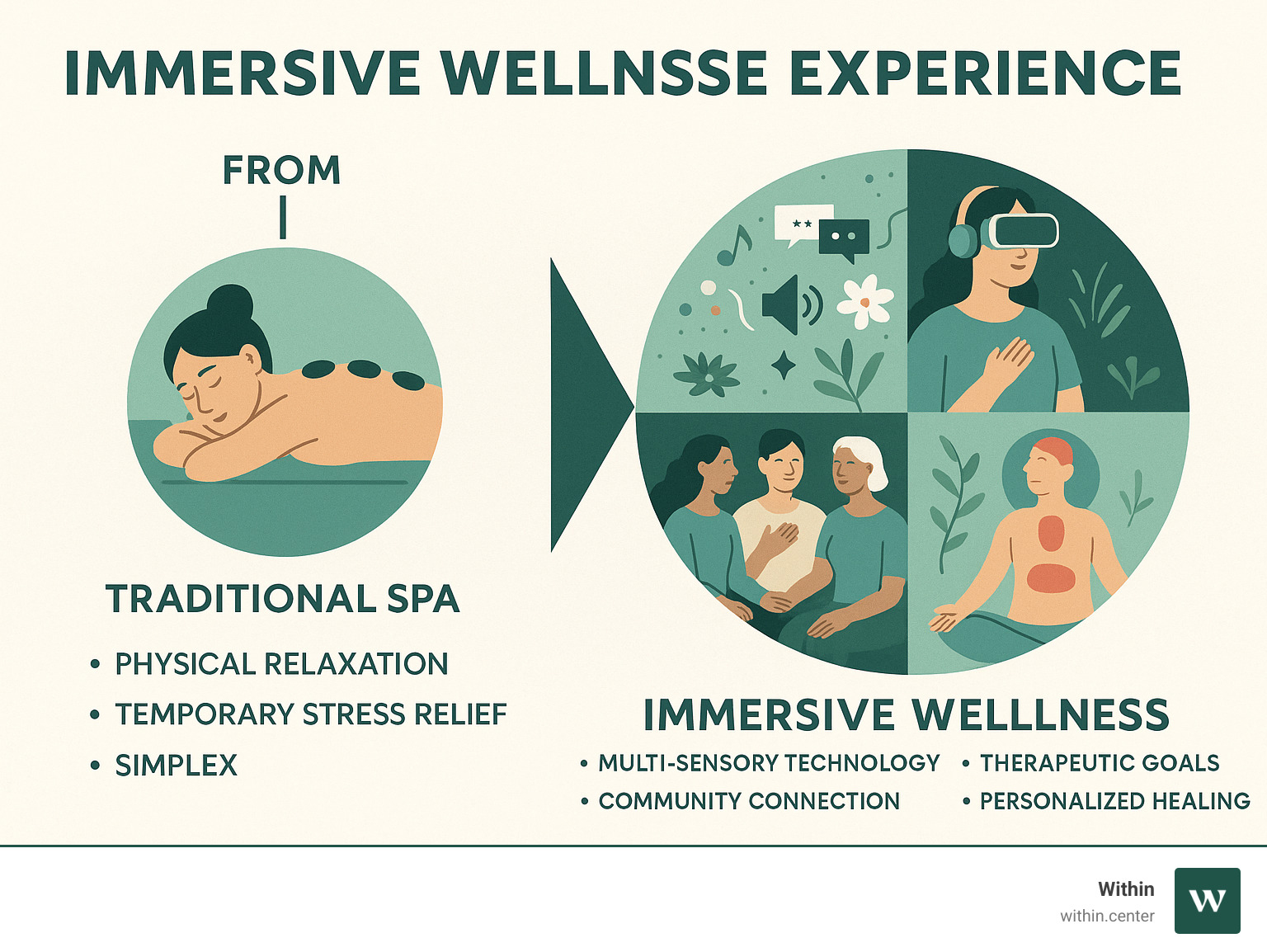
A transformative wellness experience goes beyond traditional spa treatments. It’s a structured journey for lasting personal change, using evidence-based practices, expert guidance, and deep self-findy.

Key elements of transformative wellness experiences:

  • Holistic approach – Addresses mind, body, and spirit together
  • Personal growth focus – Aims for lasting change, not temporary relief
  • Expert guidance – Led by qualified practitioners and therapists
  • Integration support – Helps you maintain changes after the experience
  • Community connection – Builds meaningful relationships with others on similar journeys
  • Safe environment – Provides psychological and physical safety for deep work

The wellness tourism market is projected to reach $1.8 trillion by 2030, up from $738.8 billion in 2022, reflecting a major shift in how people approach personal development.

Unlike traditional vacations, these experiences leave you renewed and equipped with practical tools for ongoing growth. As one retreat founder noted, “Imagine a vacation that you don’t need a vacation from.”

These experiences blend ancient wisdom with modern science, combining practices like meditation with cutting-edge therapies. The goal is to build a foundation for a more conscious, fulfilling life, not just temporary relief.

Infographic showing the eight dimensions of transformative wellness: Physical health through movement and nutrition, Emotional healing through therapy and self-reflection, Mental clarity via meditation and mindfulness, Spiritual growth through connection and purpose, Social bonds through community and relationships, Environmental awareness through nature immersion, Occupational fulfillment through life visioning, and Financial wellness through intentional living - transformative wellness experience infographic

What is a Transformative Wellness Experience?

Imagine returning from a trip not needing another vacation, but feeling like a renewed version of yourself. That’s the essence of a transformative wellness experience.

This isn’t a typical spa weekend. It’s a purposeful journey for lasting change in how you think, feel, and live, designed to spark self-findy and build a foundation for sustained well-being.

What makes these experiences special is their holistic approach to health. They recognize that your physical health, emotional state, mental clarity, and spiritual connection are all deeply interconnected. The philosophy of mindfulness plays a central role in understanding these connections.

It’s personal evolution in action. You’re not just taking a break; you’re actively working to transform your life. The goal is to help you return to your natural state of well-being, refreshed and with a renewed sense of purpose.

Beyond Relaxation: The Goal of a Transformative Wellness Experience

While you’ll feel relaxed during these experiences, relaxation is just the beginning.

The real magic happens when you start addressing root causes instead of just treating symptoms. Whether it’s chronic stress or old emotional wounds, a truly transformative experience helps you understand what’s happening beneath the surface.

These journeys are designed to help you build genuine resilience that lasts long after you return home. You’ll learn to process past experiences in healthier ways, overcome limiting blocks, and set meaningful intentions for your future.

Yes, it requires stepping outside your comfort zone. You may need to sit with uncomfortable feelings or face truths you’ve been avoiding. But this inner work, while challenging, leads to profound emotional healing and a deeper understanding of who you are.

The result? You return home with practical tools, new perspectives, and a renewed sense of self that helps you steer life with more clarity and joy. More info about healing through awe and connection explores how these profound shifts happen.

The Role of Nature and Cultural Immersion

Combining personal growth work with the healing power of nature and authentic cultural experiences is a powerful formula for change.

People engaging with a local cultural ceremony or hiking in a lush forest - transformative wellness experience

Nature becomes your co-therapist. Whether you’re practicing forest bathing, meditating to the sound of ocean waves, or watching a sunrise, these natural settings provide a profound sense of peace and perspective.

The Japanese practice of “shinrin-yoku” or forest bathing shows that spending mindful time in nature can reduce stress hormones and improve well-being. Immersion in unique ecosystems can provide particularly powerful backdrops for change.

Cultural immersion adds another layer of richness. Engaging authentically with local traditions—participating in ancient healing practices or sharing meals with local families—helps you see the world through different eyes.

These cultural exchanges deepen your connection to your own humanity, revealing that despite different backgrounds, we all share fundamental desires for connection, purpose, and well-being.

The combination of nature’s healing power and authentic cultural connection creates an environment where change feels not just possible, but natural.

Key Components of Transformative Wellness

What makes a transformative wellness experience life-changing? It’s not one ingredient, but how key elements work together. The most powerful programs are built on four pillars: personalization, expert guidance, a safe and supportive environment, and a strong community focus.

Since you’re unique, cookie-cutter approaches rarely work. The best experiences are personalized to meet you where you are, whether your focus is trauma healing, creative breakthrough, or spiritual connection. This ensures your journey is relevant and meaningful.

Expert guidance is the difference between a nice vacation and genuine change. Qualified professionals—doctors, licensed therapists, or experienced healers—provide the structure and wisdom needed for deep work, creating a safe container for growth.

A nurturing environment is crucial. This includes physical comfort and psychological safety, allowing you to explore and struggle without judgment. This safety enables a deeper healing process.

Finally, connecting with others on similar journeys is powerful. The community aspect creates lasting bonds. Sharing experiences, supporting each other, and celebrating breakthroughs together amplifies the entire experience, often leading to lifelong friendships. This therapeutic community approach is why the importance of the therapeutic component extends far beyond individual sessions.

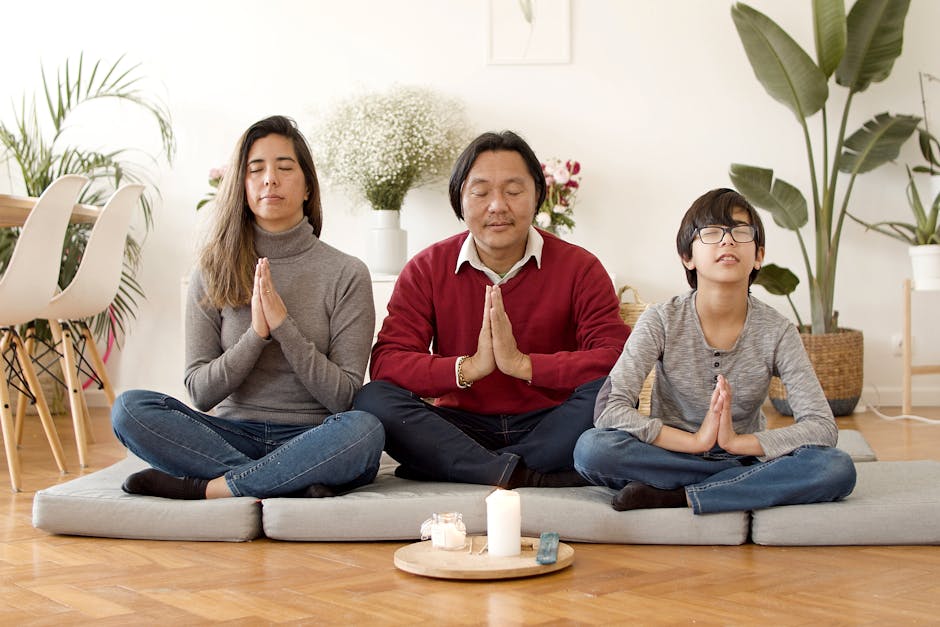
A group meditating together in a beautiful, calming space - transformative wellness experience

Foundational Practices for Mind and Body

Every transformative wellness experience is built on time-tested practices that nurture human wellbeing. These are proven pathways to balance and healing.

Yoga is more than stretching; it weaves together breath, movement, and mindfulness to create a profound mind-body connection, building both physical strength and emotional resilience.

Meditation is a scientifically validated tool that rewires your brain, helping you find inner peace and develop a presence that transforms how you move through the world.

Breathwork uses intentional breathing techniques to calm your nervous system, process emotions, and access deeper states of consciousness, making it a profound healing tool.

Nutrient-dense, farm-to-table cuisine—often organic and locally sourced—nourishes your body, connects you to the local land, and supports natural detoxification.

Mindful movement might include conscious hiking or meditative walks, with the goal of reconnecting with your body as a source of wisdom and strength.

Quality sleep is emphasized by creating the perfect conditions for deep, restorative rest. When your nervous system can truly relax, healing accelerates.

Advanced and Modern Modalities

While ancient practices provide the foundation, today’s transformative wellness experiences also accept cutting-edge therapies. This blend of timeless wisdom with modern science creates new opportunities for healing.

Sensory deprivation float tanks offer a modern form of meditation. Floating weightlessly in a sound- and light-free environment resets the nervous system, often leading to profound insights and deep relaxation.

Cryotherapy involves brief exposure to near-freezing temperatures. Many find it incredibly energizing, as it can reduce inflammation, boost energy, and improve mood.

Sound baths and vibro-acoustic technology use carefully crafted vibrations to guide you into meditative states. Technologies like the Opus Sound Bed create immersive experiences where you feel healing frequencies throughout your body.

Many programs now include medically-supervised treatments like IV nutrient therapy, specialized detoxification protocols, or advanced treatments for trauma and depression. Having medical professionals on your team ensures both safety and efficacy.

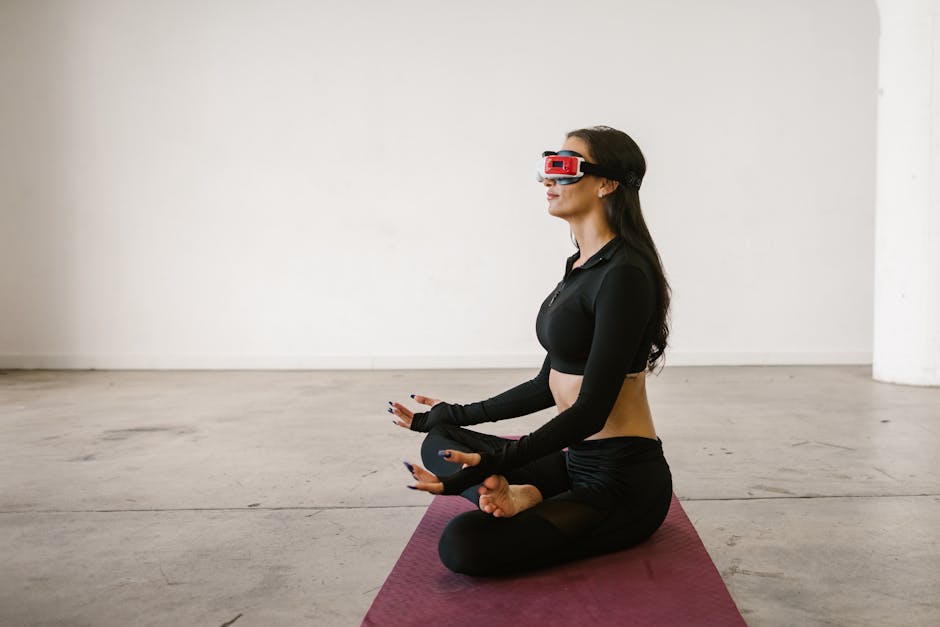
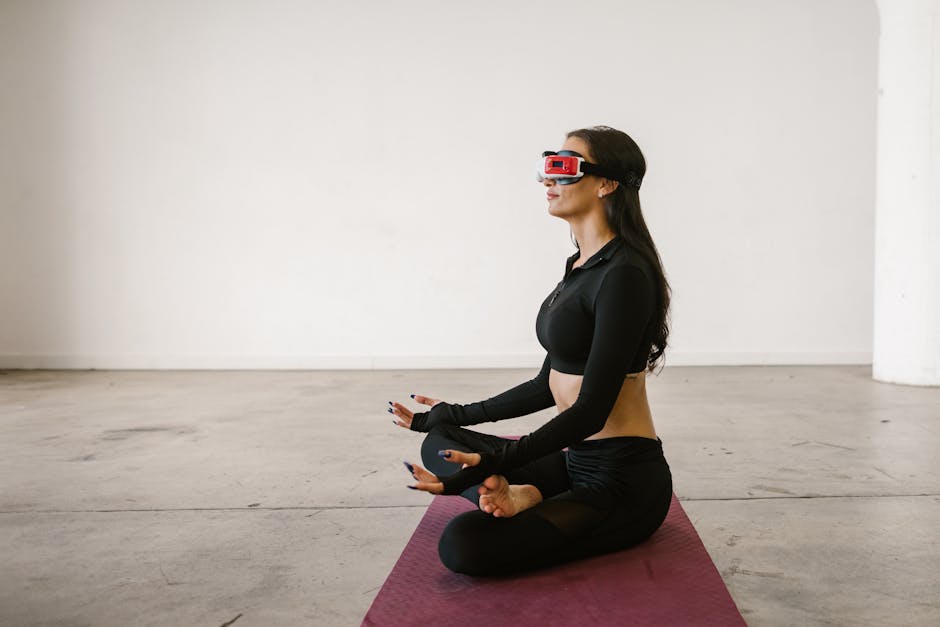
Other innovations include functional wellness drinks with adaptogens, gene-based wellness plans custom to your DNA, and virtual reality relaxation for immersive healing.

These advanced modalities represent the exciting frontier of wellness, where the future of psychedelic therapy and other innovative treatments are opening new doorways to healing.

The Critical Role of Integration

The real magic of a transformative wellness experience happens afterward, when you weave new insights into your everyday life. This process, called integration, is crucial for creating lasting change.

Without proper integration, even profound experiences can fade as old patterns reassert themselves. That’s why the best programs emphasize what happens after your stay.

Post-retreat support may include follow-up sessions with therapists, access to online communities, or ongoing guidance from practitioners.

During your experience, daily integration classes teach you to develop practical strategies for applying your insights at home.

Journaling and reflection are invaluable tools for solidifying insights and tracking your progress over time.

The community connections you build provide ongoing peer support and accountability long after you leave.

Integration also involves learning to turn routine into ritual, infusing everyday activities with mindfulness and ceremony.

Integration ensures your experience becomes a catalyst for lasting change, not just a memory. This is precisely why integration is essential for true healing—it’s where temporary insights become permanent.

How to Choose Your Ideal Transformative Wellness Experience

Choosing the right transformative wellness experience is a critical step. With many options available, a thoughtful choice is key to achieving the profound change you’re seeking.

First, clarify your intentions. Are you seeking emotional healing, stress reduction, spiritual growth, or a digital detox? Your “why” will be your North Star, guiding you to the right fit.

Next, research the details. Examine the daily schedule and the qualifications of the guides—are they licensed therapists, medical doctors, or experienced practitioners? The program structure is also key; does it include integration support to help you maintain progress at home?

Read testimonials with a discerning eye, looking for stories of long-term change, not just how relaxed people felt during the retreat. Consider the environment as well. Do you prefer mountains or the ocean? Cultural immersion or seclusion?

Finally, don’t hesitate to ask questions. Reputable centers welcome curiosity and often offer consultations to ensure you’re a good fit. The Changeal Travel Council offers valuable guidance for those seeking purposeful, life-changing travel.

Matching the Experience to Your Personal Goals

Your transformative wellness experience should feel like it was designed for you. Different retreats excel in different areas, so finding your perfect match is crucial.

Spiritual growth retreats focus on connecting with your purpose through meditation, breathwork, nature reflection, and ceremonial practices.

Physical detox and rejuvenation programs emphasize cleansing through plant-based nutrition and functional movement, often including spa treatments and medical evaluations to track health markers.

For mental health and stress reduction, the best programs combine mindfulness with therapeutic support like group therapy or expressive arts, focusing on providing practical, long-term tools.

Trauma healing requires skilled guidance. These programs use therapeutic modalities, guided integration, and somatic practices to help the body release stored tension and pain. For those exploring deeper options, ketamine therapy for mental health is an innovative approach showing remarkable results.

Creative inspiration retreats are perfect for feeling stuck. They use nature immersion, digital detox, and art workshops to quiet the analytical mind and let your creative spirit emerge.

The key is being honest about what kind of support would be most helpful. Your ideal retreat should challenge you gently while providing the specific tools you need to grow.

What to Expect and How to Prepare

Preparing for a transformative wellness experience can help you get the most from your investment. It’s normal to feel both excited and nervous.

The most important thing to bring is openness. True change happens when we’re willing to be vulnerable and step outside our comfort zone. Accept the uncertainty of the process—it’s often where the magic happens.

Mental preparation can start weeks before. Try clearing your calendar, starting a simple meditation practice, and eating cleaner to make any detox process easier.

Disconnecting from technology is usually a key part of the experience. Be prepared to put your phone away to truly connect with yourself and others.

A person packing a bag with items like a journal, comfortable clothing, and a water bottle - transformative wellness experience

When it comes to packing, think comfort over style. You’ll want loose, breathable clothing and layers. A sturdy water bottle is essential.

Your journal might be the most important item you pack for capturing insights and processing emotions.

Pack comfortable walking shoes for nature walks, plus basics like sunscreen and bug spray if you’ll be outdoors. Most importantly, bring your sense of humor to help steer challenging moments with grace.

For a comprehensive packing guide, check out what to bring to a wellness retreat. Being well-prepared allows you to fully surrender to the process ahead.

Frequently Asked Questions about Transformative Wellness

It’s natural to have questions about what makes a transformative wellness experience unique and effective. Here are answers to some common inquiries.

How is a transformative wellness trip different from a regular spa vacation?

The difference is intention and depth. A spa vacation offers pampering and temporary relaxation, while a transformative wellness experience is designed for deep, lasting personal growth and healing.

After a spa weekend, the effects are often temporary. After a transformative retreat, you’re equipped with new tools, perspectives, and practices that fundamentally shift how you approach life. It involves structured programs with expert guidance and integration support to address root causes, not just symptoms.

Can a transformative wellness experience really create lasting change?

Yes, and the science backs this up. The key is the immersive design and the emphasis on integration.

In an environment free from daily distractions, your brain is more open to forming new neural pathways. You’re not just learning new practices; you’re living them, which helps cement them into your routine.

The integration support—including post-retreat community and follow-up sessions—provides a foundation for sustained change. Healing is an ongoing process, not a one-time event.

Do I need to be an expert in yoga or meditation to attend?

Not at all. This is a common concern, but most transformative wellness retreats welcome participants of all levels, from complete beginners to experienced practitioners.

The focus is on your personal journey and willingness to grow, not on perfecting a yoga pose or silencing your mind. Being a beginner can even be an advantage, as you approach the experience with fresh eyes.

Expert guides are there to support you regardless of your starting point. Your openness and curiosity matter far more than any previous experience.

Conclusion: Your Journey to a Renewed Self

The future of wellness travel is shifting from temporary escape to pursuing lasting change. The wellness tourism market is projected to reach $1.8 trillion by 2030, driven by people like you investing in genuine personal growth.

This movement’s power lies in intentional travel. You’re not checking out of life, but checking into a deeper version of yourself. These experiences offer a chance to pause, reflect, and rebuild from a place of wisdom.

Investing in yourself through a transformative wellness experience is an act of self-respect. You’re choosing to address the root causes of stress or stagnation, and the lifelong benefits can touch every aspect of your life.

At Within, we know your healing journey is personal. Our comprehensive approach combines psychedelic-assisted therapy with holistic practices in an immersive retreat at AWKN Ranch near Austin, Texas. We focus on robust integration support and community connections that last long after you return home.

The power of intentional travel creates space for profound shifts. When you step away from familiar patterns and surround yourself with expert guidance and a supportive community, change becomes inevitable.

Your path to change is unique. Finding the right catalyst is key, whether you seek healing from trauma, clarity on your purpose, or a deeper connection to yourself. The journey starts with a single intentional step.

Ready to explore what’s possible? Find your path to profound healing by exploring a psychedelic therapy retreat designed to honor your individual journey while providing the support needed for lasting change.

The Best Retreats for Depression and Anxiety

By Ketamine Retreat, KnowledgeNo Comments

Wellness retreats for depression offer immersive healing environments that go beyond weekly therapy sessions, providing intensive support through holistic approaches, nature-based activities, and community connection in safe, structured settings away from daily triggers.

Quick Answer for Finding Depression Retreats:

  • Duration: 3-90 days depending on your needs and program intensity
  • Cost: $1,000-$5,000+ per week, with some insurance coverage possible
  • What’s Included: Individual therapy, group sessions, holistic treatments, meals, accommodation
  • Best For: When traditional therapy isn’t enough, co-occurring conditions, or need for intensive reset
  • Popular Locations: Nature-based settings in places like Austin, Bali, Costa Rica, and mountain regions

Depression affects over 17 million Americans. For many, the weekly therapy model falls short of providing the intensive support needed for a real breakthrough.

As one retreat participant shared: “For people suffering from depression, anxiety, or both, every day can be a struggle. Common tasks can feel exhausting, and activities that used to bring joy are suddenly empty and hollow.”

When caught in the cycle of depression, stepping away from your environment can be crucial. Research shows that over 90% of participants in mental health retreat programs experience lasting benefits from these immersive experiences.

Depression wellness retreats create space for deep healing by removing daily stressors and providing 24/7 professional support. They offer evidence-based therapies alongside holistic practices like meditation and yoga. Unlike outpatient care, these programs allow you to focus entirely on recovery without distractions or familiar triggers.

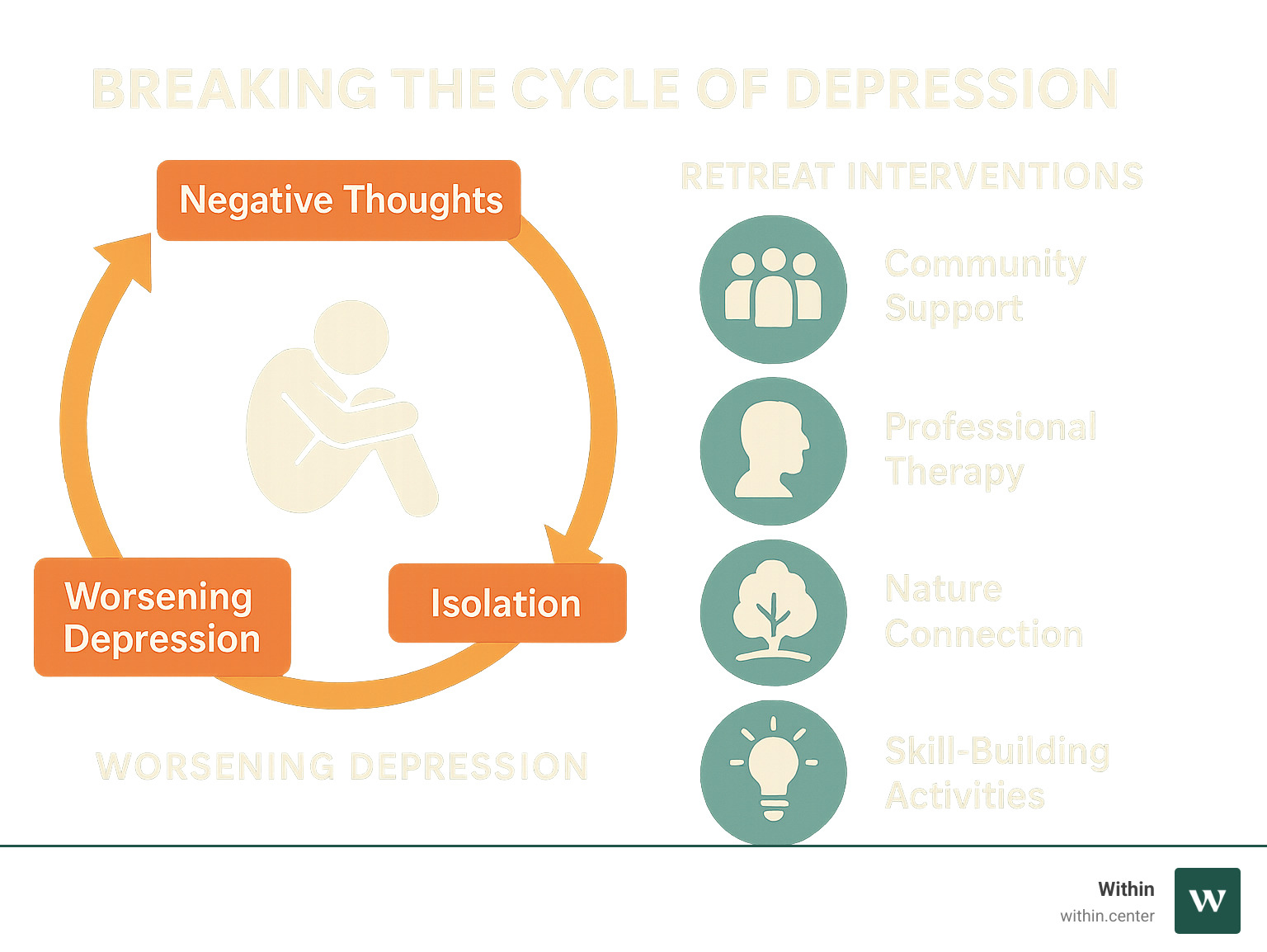
Infographic showing the depression cycle: negative thoughts leading to isolation, which worsens depression symptoms, and how retreat interventions break this cycle through community support, professional therapy, nature connection, and skill-building activities - wellness retreats for depression infographic

When to Consider a Depression Retreat

person sitting peacefully by a calm lake - wellness retreats for depression

Sometimes you know something needs to change, but you’re not sure what. Perhaps weekly therapy hasn’t lifted the familiar weight, or you’re “high-functioning”—succeeding outwardly while struggling internally. Depression can affect anyone, from the successful professional who can’t find joy in their accomplishments to the parent feeling disconnected from their life.

Wellness retreats for depression offer a different approach. Instead of squeezing healing into a single hour, these immersive experiences let you step away from daily triggers to focus entirely on getting better. When weekly therapy isn’t enough, a retreat can provide the breakthrough you need.

Recognizing the Symptoms

While depression varies, common signs suggest a need for more intensive support. These include persistent sadness or irritability that doesn’t lift and finding that previously loved activities now feel empty and meaningless.

Fatigue is another major symptom—not just normal tiredness, but deep exhaustion that makes simple tasks feel overwhelming. Sleep patterns are often disrupted, leading to insomnia or oversleeping without feeling rested.

Other signs include appetite changes and social withdrawal. You might avoid plans, feeling like a burden or that no one understands. Perhaps most painful are the creeping feelings of worthlessness—that inner voice telling you you’re not good enough.

Those with high-functioning depression often struggle to recognize their need for help because they appear fine externally. Internally, they work twice as hard to seem normal. Feeling constantly “on edge,” having co-occurring anxiety, or unexplained crying are all valid reasons to seek intensive support.

For more detailed information about depression symptoms, the National Institute of Mental Health offers comprehensive resources on understanding depression.

Retreats vs. Traditional Therapy

Traditional therapy is valuable but has limitations. After a one-hour session, you return to the same environment that may contribute to your depression.

FeatureTraditional TherapyWellness Retreats for Depression
EnvironmentSame daily triggers remainPeaceful, supportive setting away from stressors
Intensity1 hour per weekIntensive daily programming
SupportLimited to therapist24/7 professional guidance plus peer community
FocusCompeting with daily distractionsComplete focus on healing
ApproachPrimarily talk therapyMind-body-spirit integration
TimelineLong-term gradual progressIntensive breakthrough potential

An immersive retreat environment removes you from daily stressors. You enter a safe, structured space designed entirely for healing. Intensive support means having access to professional guidance whenever you need it, surrounded by a community that understands.

This focused healing environment allows you to dive deeper than is possible in weekly sessions. You can implement coping strategies and sit with difficult emotions without the pressure of daily obligations. The professional guidance is holistic, addressing your mind, body, and spirit.

What Happens at Wellness Retreats for Depression

When you step into a wellness retreat for depression, you enter a sanctuary where healing is your only job. These are professionally guided experiences where therapists and practitioners create a safe container for recovery. The environment is intentional, from the peaceful setting to the structured daily rhythm that helps regulate your nervous system. The powerful holistic approach treats you as a whole person, recognizing that depression affects your mind, body, and spirit.

A Glimpse into a Typical Day

A typical day begins gently, often with morning meditation or mindfulness practice in nature. Nutritious meals are part of the healing journey, removing the stress of food preparation. The schedule includes:

  • Individual therapy for deep, personal work with a licensed professional.
  • Group sessions, which are often the heart of the experience, creating powerful connections.
  • Nature walks and outdoor activities to reset your nervous system.
  • Creative therapies like art or music to express complex feelings.
  • Holistic practices like yoga or breathwork to reconnect with your body.
  • Personal reflection time to process and integrate your experiences.

Therapeutic and Holistic Modalities

Retreats combine proven therapies with holistic practices. Cognitive Behavioral Therapy (CBT) helps change negative thought patterns, while Dialectical Behavior Therapy (DBT) teaches skills for managing emotions and relationships. Mindfulness practices break the cycle of rumination, and somatic experiencing offers body-based healing for stress and trauma. Art therapy and yoga provide non-verbal ways to process emotions.

For treatment-resistant depression, some retreats offer advanced interventions like ketamine-assisted therapy. What is Ketamine Therapy? This approach promotes neuroplasticity, helping the brain form new, healthier neural pathways. Some programs also incorporate psychedelic-assisted therapy under expert guidance, which can catalyze profound breakthroughs. These Psychedelic Therapy Retreat experiences can accelerate the healing journey.

The Healing Power of Nature

The natural setting of most retreats is a therapeutic tool. Ecotherapy leverages our innate connection to nature to support mental health. Activities like forest bathing (mindful time in nature) are shown to reduce stress and boost mood. Research shows nature benefits mental health, and organizations like Mind Over Mountains find that combining outdoor experiences with therapy provides lasting benefits. Facing gentle outdoor challenges helps you find inner strength, providing a powerful antidote to hopelessness.

The Transformative Benefits of a Depression Retreat

two people having a supportive conversation on a hike - wellness retreats for depression

A wellness retreat for depression allows you to pause and focus completely on healing. It’s a reset button for your mental health, guided by professionals and a supportive community. Many people leave feeling they’ve found themselves again, with the weight of depression replaced by a renewed sense of hope. The skills and insights gained create lasting change that extends far beyond the retreat itself.

Building a Foundation for Long-Term Recovery

A depression retreat builds a sturdy foundation for your mental health. At a retreat, you learn to break negative patterns, catching and redirecting spiraling thoughts. You practice new ways of connecting to combat isolation. The environment encourages healthy habits like better sleep and nutrition, which emerge organically. You’ll also learn relapse prevention strategies to spot early warning signs and address them before they take hold.

Crucially, the best programs provide integration support to bridge the gap between the retreat and everyday life. At Within, we know the real work begins when you return home. Our comprehensive integration support helps you weave new insights into your daily routine, ensuring that change becomes sustainable. This approach is key to The Future of Healing: How Psychedelic Therapy and Plant Medicine Are Changing Mental Health.

The Strength of Community and Connection

Depression thrives on isolation, whispering that you’re alone and broken. A wellness retreat for depression dismantles these lies through community. Surrounded by peer support from others who get it, shame dissolves. You realize your struggles make you human. This shared understanding reduces isolation and fosters mutual growth.

The lasting bonds formed during these intense experiences often continue long after the retreat, creating a chosen family for ongoing support. This community focus is at the heart of Within, where we believe healing is amplified when experienced together. Learn more about our approach to Healing Through Awe and Connection.

How to Choose Your Ideal Depression Wellness Retreat

Choosing the right wellness retreat for depression can feel overwhelming, but research is key to finding a transformative experience. First, clarify what you need. Are you seeking evidence-based approaches like CBT, or newer modalities like ketamine-assisted therapy? Do you need help with co-occurring anxiety or trauma? Knowing your needs helps narrow the options.

When vetting programs, ask about:

  • Treatment philosophy: Is it traditional, holistic, or integrated?
  • Staff credentials: Ensure care is overseen by licensed therapists and medical professionals.
  • Daily structure: Does the balance of activities and reflection time suit you?
  • Environment: A natural setting can improve healing.
  • Participant-to-staff ratio: Smaller groups often mean more personal attention.
  • Integration support: The best programs offer resources for when you return home.

Navigating Costs and Insurance

Understanding the financial commitment is key. Retreats typically range from $1,000 to $5,000+ per week, covering accommodation, meals, therapy, and activities. While mental health coverage is required under the ACA, insurance benefits for retreats vary. Some plans may partially cover them as “residential treatment.” Call both the retreat and your insurer to clarify coverage. Many centers offer payment plans or accept healthcare financing through services like CareCredit.

How to Prepare for Your Wellness Retreats for Depression

Preparing for a retreat involves more than packing; mental and emotional preparation is key. Set intentions by writing down what you hope to achieve. For packing essentials, prioritize comfort: loose clothing, sturdy shoes, layers, and a journal. A comprehensive guide can be found here: what to pack for a wellness retreat. Plan your digital detox by setting auto-replies and delegating tasks. Finally, communicate with providers about your health history and medications to ensure a safe and effective experience.

Finding Specialized Wellness Retreats for Depression

Depression varies, and so should treatment. Many retreats specialize in specific needs:

  • Men’s depression retreats address how symptoms often manifest as anger or irritability.
  • Postpartum depression programs support the unique challenges of new mothers.
  • Trauma-informed care uses gentle approaches for those with a history of trauma.
  • Dual diagnosis retreats treat depression and substance use disorders simultaneously.

For cutting-edge approaches, centers like our AWKN Ranch near Austin offer psychedelic-assisted therapy in a retreat setting. This combines ketamine-assisted therapy with holistic practices and extensive integration support. Learn more about Psychedelic Therapy in Austin to see how these innovative methods are changing mental health treatment. Finding a program that understands your specific situation is crucial for your healing journey.
Frequently Asked Questions about Depression Retreats

It’s natural to have questions when considering a wellness retreat for depression. Here are answers to some of the most common ones.

How long are most depression retreats?

Depression retreats vary in length to meet different needs, with duration often determined by program intensity.

  • Weekend programs offer a gentle introduction for milder symptoms.
  • Week-long immersions are a popular choice, allowing enough time to disconnect and dive into therapeutic work.
  • 30-90 day stays provide intensive, life-changing support for more complex situations, allowing for deep skill-building. The right duration depends on your symptoms, goals, and what feels manageable.

Are retreats a cure for depression?

A wellness retreat for depression isn’t a magic cure. Depression is a complex condition requiring ongoing care. However, a retreat can be a powerful catalyst for healing. It’s a turning point where you learn practical management skills, explore root causes, and build new habits. While it requires ongoing effort, you leave with more tools and hope. The intensive reset provides a foundation for long-term recovery that traditional care may not establish.

Can I attend a retreat if I’m on medication?

Yes. Most people with depression are on medication, and reputable centers accommodate this. The key is coordination and full disclosure. Be open with the provider about all medications and your health history to ensure your safety. Quality centers have medical staff oversight to manage medications and understand how they interact with therapeutic work. Full disclosure is crucial for creating the safest, most supportive environment for your healing.

Conclusion

Taking the first step toward healing from depression is hard. The weight of sadness and exhaustion can feel overwhelming, but that first step is an act of courage and self-love.

Wellness retreats for depression offer a different approach to healing. Instead of squeezing recovery into the margins of a busy life, they create space to step away from daily triggers and demands. These immersive environments are powerful because they combine expert-led therapy, holistic practices, nature, and a supportive community. They aren’t quick fixes but create the conditions for real, lasting change.

Investing in a retreat means rebuilding your foundation. You learn to recognize patterns, find coping mechanisms that work, and remember who you are beneath the depression. That person is worth fighting for.

The path beyond depression isn’t always easy, but it exists, and you don’t have to walk it alone. At Within Center, we’ve created a special immersive retreat at our AWKN Ranch near Austin, where holistic healing meets advanced approaches like psychedelic-assisted therapy. We stand apart through our commitment to walking alongside you long after the retreat, with comprehensive integration support and a community that becomes family.

Your journey toward a healthier, happier life can begin today. The courage you need brought you here.

Explore immersive psychedelic therapy retreats to begin your journey

What is Ketamine-Assisted Psychotherapy?

By Ketamine Retreat, Psychedelic Therapy RetreatNo Comments

Ketamine assisted psychotherapy (KAP) combines the rapid-acting effects of ketamine with traditional psychotherapy to treat mental health conditions that haven’t responded to other treatments. This emerging therapy offers new hope for people with treatment-resistant depression, PTSD, anxiety, and other challenging conditions.

What is Ketamine-Assisted Psychotherapy?

  • A treatment that uses low doses of ketamine alongside therapy sessions
  • Helps create new neural pathways while processing difficult emotions
  • Shows rapid results, often within hours to days
  • Combines medicine’s neuroplasticity effects with therapy’s healing power

Key Benefits:

  • Fast-acting relief from depression and anxiety symptoms
  • Improved therapy outcomes through increased brain flexibility
  • Breakthrough experiences that traditional therapy alone may not achieve
  • Lasting change when combined with proper integration

When traditional therapy and medications fall short, many people feel hopeless. As one researcher noted in recent studies, ketamine has become “the first psychedelic drug approved by the FDA for treatment-resistant depression” in 2019, opening doors that seemed permanently closed.

This isn’t just another treatment option. KAP works differently than standard antidepressants by targeting the brain’s glutamate system instead of serotonin. It creates a unique window of neuroplasticity – a time when your brain becomes more flexible and open to change.

The therapy happens in three main stages: careful preparation with your therapist, the actual ketamine session with professional support, and integration work to make sense of your experience and create lasting change.

Infographic showing the three-stage KAP process: Stage 1 - Preparation (therapist and patient discussing goals and setting intentions), Stage 2 - Dosing Session (patient in comfortable setting with medical monitoring and therapeutic support), Stage 3 - Integration (processing insights and experiences to create lasting behavioral change) - Ketamine assisted psychotherapy infographic

The Science Behind KAP: How Ketamine Rewires the Brain

At the heart of Ketamine assisted psychotherapy lies a fascinating interaction with our brain’s chemistry. Unlike conventional antidepressants that primarily target serotonin, ketamine works on the glutamate system, a major excitatory neurotransmitter. By temporarily blocking a key receptor (NMDA), ketamine triggers a release of Brain-Derived Neurotrophic Factor (BDNF).

BDNF is often called “brain fertilizer” because it promotes neuroplasticity—the brain’s ability to form new connections and reorganize itself. This process, known as synaptogenesis, allows the brain to literally rewire itself, creating new, healthier pathways. This is believed to be the reason for ketamine’s rapid-acting antidepressant effects, with many patients reporting improvements within hours to days, a stark contrast to traditional medications.

Scientific research on ketamine’s mechanisms

The Role of the Dissociative Experience

Beyond its neurobiological effects, ketamine’s ability to induce a dissociative state is a key component of its therapeutic power. This temporary shift in perception, often described as a feeling of detachment from one’s body or usual thoughts, can lower psychological defenses. This allows for the safe exploration of painful emotions or memories that might be too overwhelming in traditional talk therapy. Patients often report gaining new, objective perspectives on their struggles, leading to profound insights and emotional release.

Systematic review of KAP’s active mechanisms

From Anesthetic to Antidepressant: A Brief History

Ketamine was first synthesized in 1962 and approved as an anesthetic in 1970. Its safety and effectiveness made it a staple in operating rooms and on battlefields. Researchers in the 1970s noted its potential for psychotherapy, but this exploration was largely paused during the “War on Drugs.” Renewed scientific interest has since propelled ketamine back into the spotlight, culminating in the 2019 FDA approval of a ketamine-derived nasal spray (esketamine) for treatment-resistant depression, marking a new era for psychedelic-assisted therapies.

The Complete Guide to Ketamine-Assisted Psychotherapy (KAP)

Ketamine assisted psychotherapy is a structured process designed to maximize therapeutic benefits while ensuring patient safety. It’s a holistic experience that combines medicine with expert therapeutic guidance. This section explains the typical protocol and what a patient can expect.

The Three Pillars: Preparation, Session, and Integration

Our approach to Ketamine assisted psychotherapy is built upon three crucial pillars: preparation, the dosing session, and integration. Each stage is vital for a safe, meaningful, and lasting therapeutic outcome.

  1. Preparation Sessions: Before your first ketamine dosing session, you’ll engage in preparatory psychotherapy sessions. This is where we establish a strong therapeutic alliance, discuss your intentions for the treatment, and set a positive framework for the journey ahead.
  2. Dosing Session: The ketamine dosing session is conducted in a quiet, relaxed, and safe environment, often with comfortable seating and curated music. You will be continuously monitored by our trained team, ensuring your physical safety and providing compassionate support throughout the experience, which typically lasts about 40-60 minutes.
  3. Integration Sessions: This is arguably the most critical pillar for long-term change. Following each dosing session, we engage in integration psychotherapy. This is where we work together to process and make sense of your ketamine experience. The neuroplastic window created by ketamine makes your brain particularly receptive to new learning and behavioral changes during this time, helping you weave new insights into your daily life.

The Clinical Team: Roles of the Physician and Therapist

Ketamine assisted psychotherapy is a collaborative effort between medical and psychological professionals. A physician handles the medical screening, determines the appropriate dosage, and monitors your physical safety during the session. The therapist conducts the psychological assessment, helps you set intentions, and provides support during the session. Most importantly, they lead the integration sessions, helping you process the experience and apply insights to your life. This collaborative model ensures both your physical and psychological well-being are prioritized.

Dosing and Administration Approaches

The way ketamine is administered in Ketamine assisted psychotherapy can vary, and the choice depends on several factors, including the therapeutic goals and clinical setting. The aim is to use a sub-anesthetic dose—a dose low enough to induce therapeutic effects without causing full unconsciousness.

Route of AdministrationDescriptionOnset of EffectsDuration of Effects (Acute)
Intravenous (IV)Administered directly into the bloodstream via a drip. Allows for precise control over the dosage and a rapid onset of effects. This is a common method in clinical settings.1-2 minutes45-60 minutes
Intramuscular (IM)Injected into a large muscle, like the thigh or arm. The onset is slightly slower than IV but still provides a powerful and immersive experience.3-5 minutes60-90 minutes
Sublingual/OralA lozenge or liquid is held in the mouth for a period of time before swallowing. This method has a slower, more gentle onset and is often used for at-home integration support or in specific therapeutic protocols.15-30 minutes90-120 minutes

Applications, Benefits, and Risks of KAP

Ketamine assisted psychotherapy has shown promise for a range of conditions, particularly treatment-resistant depression (TRD), post-traumatic stress disorder (PTSD), and various anxiety disorders. Studies indicate that when combined with psychotherapy, ketamine can lead to rapid and significant reductions in symptoms, often within hours or days. This provides a crucial window for therapeutic work.

Potential Benefits of Ketamine-Assisted Psychotherapy

The appeal of Ketamine assisted psychotherapy lies in its unique and often profound benefits:

  • Rapid Symptom Relief: Offers fast-acting relief from severe symptoms of depression and anxiety.
  • Decreased Suicidal Ideation: Research shows a significant reduction in suicidal thoughts, often within hours of treatment.
  • Therapeutic Breakthroughs: The ketamine experience can lower psychological defenses, allowing for deeper processing of trauma and ingrained negative patterns.
  • Improved Neuroplasticity: By promoting the brain’s ability to form new connections, KAP helps individuals develop healthier ways of thinking and coping.
  • Sustained Improvement: When combined with integration therapy, the insights and changes from KAP can lead to long-term, sustainable well-being.

Understanding the Risks and Side Effects

While KAP is generally safe when administered in a clinical setting, it’s important to be aware of potential side effects. Most are temporary and resolve shortly after the session.

patient having their blood pressure monitored - Ketamine assisted psychotherapy

Common side effects include:

  • Dissociation: A temporary feeling of being disconnected from your body or reality.
  • Nausea and Dizziness: These can occur during or shortly after the session.
  • Increased Blood Pressure: Vital signs are monitored throughout the session to manage this effect.

It is crucial to seek treatment from a licensed medical professional. The FDA has issued warnings about the risks associated with compounded ketamine products when not used under proper medical supervision. A thorough medical and psychological screening is necessary to ensure KAP is a safe and appropriate treatment for you.

FDA warning on compounded ketamine products

The Broader Context: KAP, Regulations, and the Future

This section places Ketamine assisted psychotherapy within the wider landscape of mental health, exploring its unique approach, regulatory status, and the future of psychedelic medicine.

How KAP Differs from Other Treatments

Ketamine assisted psychotherapy is distinct from both traditional talk therapy and simple ketamine infusions. While talk therapy is effective for many, it can sometimes stall when individuals struggle to access deeply rooted emotional patterns. KAP uses ketamine to create a state of heightened neuroplasticity and reduced psychological defenses, allowing for more profound therapeutic breakthroughs.

Unlike clinics that offer ketamine infusions without therapy, KAP emphasizes integration. The ketamine experience opens a window for change, but it is the therapeutic work done before, during, and after that helps translate those insights into lasting healing. This synergy between medicine and therapy is what makes KAP a uniquely powerful treatment model.

The Regulatory Landscape in Canada and the U.S.

In the United States, ketamine is FDA-approved as an anesthetic. Its use for mental health conditions is considered “off-label,” a common and legal practice where a physician prescribes a drug for a condition other than what it was officially approved for, based on strong scientific evidence. The nasal spray esketamine (Spravato) is specifically FDA-approved for treatment-resistant depression. In Canada, the situation is similar, with physicians able to prescribe ketamine off-label for psychiatric conditions.

Given this landscape, it is vital to choose a reputable clinic that provides comprehensive medical screening and supervision. Organizations like the Ketamine Assisted Therapy Association of Canada (KATA) are working to establish best practices and ensure high standards of care.

The Future of Psychedelic-Assisted Therapy

We are in a “psychedelic renaissance,” with Ketamine assisted psychotherapy leading the way. Ongoing research is exploring other compounds like psilocybin (from mushrooms) for depression and MDMA for PTSD, both of which show incredible promise in clinical trials.

These therapies are shifting the focus from mere symptom management to holistic healing. By creating opportunities for profound personal insight and brain-level change, they represent a new frontier in mental healthcare. As research continues and regulations evolve, these treatments are becoming more accessible, offering hope to millions.

The past and future of psychedelic science

Conclusion: Your Path to Healing and Integration

Ketamine assisted psychotherapy represents a groundbreaking shift in how we approach mental health. By combining ketamine’s ability to create new neural pathways with the transformative power of therapy, KAP opens doors that traditional treatments sometimes can’t.

We’ve explored the science, the process, and the profound benefits of this innovative treatment. The key to its success lies in the synergy between the medication and the integration work that follows, turning temporary insights into lasting change.

For those ready to begin this journey, finding the right setting is essential. At Within, our immersive retreat experience at AWKN Ranch provides a safe, supportive environment dedicated to your healing. Our holistic approach ensures you have the time, space, and professional guidance to process your experience and integrate it into your life.

The future of mental healthcare is expanding, and ketamine assisted psychotherapy is at the forefront. It offers a powerful new tool for those seeking a breakthrough from treatment-resistant conditions.

Explore our ketamine-assisted therapy program

Discover Your Sanctuary: Top Healing Centers in Texas

By Ketamine RetreatNo Comments

Healing center Texas - Healing center Texas

A healing center Texas offers more than traditional therapy—it provides a comprehensive path to wellness that addresses your mind, body, and spirit as one interconnected system. Whether you’re battling chronic anxiety, depression, PTSD, or seeking deeper personal change, Texas healing centers blend cutting-edge treatments with time-tested holistic approaches.

Across the state, you can find centers specializing in various paths to wellness, including:

  • Trauma-Informed Mental Health
  • Holistic Wellness Retreats
  • Addiction & Dual Diagnosis Support
  • Ketamine-Assisted Therapy
  • Integrative Medicine

The Lone Star State hosts diverse healing centers that recognize a fundamental truth: lasting wellness requires addressing root causes, not just symptoms. From the Hill Country’s serene retreats to urban centers offering innovative therapies, Texas provides healing environments where you can safely explore, process, and transform.

As one client shared about their healing center experience: “It’s like someone turned on the light for me… For the first time in a long time, the world doesn’t seem gray and cold.”

These centers understand that healing isn’t one-size-fits-all. Whether you need evidence-based trauma therapy, spiritual guidance, cutting-edge treatments like ketamine-assisted psychotherapy, or immersive retreat experiences, Texas healing centers offer personalized approaches that honor your unique journey toward wholeness.

Comprehensive infographic showing the holistic healing model with three interconnected circles labeled Mind (therapy, counseling, ketamine treatment), Body (massage, yoga, nutrition, medical care), and Spirit (meditation, energy work, spiritual counseling) with arrows showing their integration and community support surrounding all three - Healing center Texas infographic

The Spectrum of Healing: What to Expect from a Healing Center Texas

When you step into a healing center Texas, you’re entering a space that sees you as a whole person—not just a collection of symptoms to treat. These centers operate on a beautiful, simple truth: real healing happens when we address the root causes of suffering, not just cover up the pain.

The philosophy here is refreshingly different from traditional healthcare. Instead of asking “What’s wrong with you?” the question becomes “What happened to you, and how can we help you heal?” This holistic approach recognizes that your mind, body, and spirit are deeply connected. When one area hurts, it affects everything else.

What makes Texas healing centers special is their integrated care model. They understand that lasting wellness might need trauma therapy and nutritional support and spiritual guidance. It’s not about choosing one path—it’s about weaving together whatever combination of complementary therapies serves your unique healing journey.

The patient-centered approach means you’re not just receiving treatment—you’re actively partnered in your own recovery. These centers focus on finding and healing the root cause of imbalance rather than just managing symptoms. They’re committed to helping you find your own inner wisdom and reclaim control over your life.

calm therapy room or yoga class in session - Healing center Texas

Common Healing Modalities and Services

Texas healing centers offer a rich mix of integrative therapies that work together for a comprehensive healing experience. Common services include:

  • Trauma-Informed Therapy: The backbone of many programs, using specialized approaches like EMDR and talk therapy to address PTSD, anxiety, and depression.
  • Mind-Body Practices: Yoga and meditation to reconnect with your body, and massage therapy or bodywork to release physical tension that holds emotional trauma.
  • Nutritional Counseling: Guidance on how food can be medicine, with personalized plans to improve mood and mental clarity.
  • Ketamine-Assisted Therapy: A breakthrough approach that can create new neural pathways and accelerate healing when combined with psychotherapy.
  • Spiritual Guidance: Support that honors your faith tradition or spiritual practice, including meditation, energy work, or chaplaincy services.

Conditions and Issues Addressed

A healing center Texas welcomes people facing a wide range of challenges, understanding that suffering comes in many forms. They commonly help with:

  • Mental health conditions like depression, anxiety, and PTSD, especially when traditional approaches haven’t provided lasting change.
  • Addiction and substance use concerns, with compassionate care that addresses underlying trauma.
  • Chronic pain conditions, recognizing the deep connection between physical pain and emotional well-being.
  • Life challenges such as grief, loss, major transitions, burnout, and feelings of spiritual disconnection.

The goal is to help you transform your relationship with these conditions, finding new strength, resilience, and joy.

A Personalized Path to Wellness: The Patient Experience

When you walk through the doors of a healing center Texas, you’re seen as a whole person whose story matters. Your healing isn’t something done to you; it’s a journey created with you.

The therapeutic relationship is your foundation. Trust is earned through consistent compassion and deep listening. Practitioners with specialized expertise in trauma, depression, and addiction genuinely care about your progress. This trauma-informed approach recognizes that past experiences shape the present, making psychological safety essential for healing.

Your empowerment drives everything. The goal isn’t to fix you (you’re not broken), but to help you find your own incredible capacity for healing and growth.

compassionate therapist listening to a client - Healing center Texas

Crafting Your Unique Healing Journey

Your journey begins with a real conversation. The initial consultation and comprehensive assessment are designed to understand the root causes of your experience, not just to apply a label. This leads to collaborative goal setting, where your aspirations guide the entire process.

Your personalized care plan will weave together different therapies, such as individual and group sessions, bodywork, nutritional support, and spiritual guidance. This may include innovative approaches like ketamine-assisted therapy integrated with counseling. The plan evolves as you do, with progress measured by how you’re feeling and functioning in daily life. Our Our Team brings diverse expertise to support every aspect of your healing.

The Importance of a Trauma-Informed Approach

Trauma isn’t just what happened to you—it’s how those experiences live in your body and mind today. A trauma-informed approach shapes every aspect of care:

  • Creating Safety: You control the pace of your healing. Your boundaries are always respected.
  • Building Trust: Trust is built through transparency, consistency, and a commitment to figuring things out together.
  • Peer Support: Connecting with others who have similar struggles reduces the isolation that trauma creates.
  • Collaboration and Mutuality: You are seen as the expert on your own experience.

This approach helps foster resilience and post-traumatic growth. For professionals wanting to deepen their understanding, valuable resources are available to Learn about trauma-informed training. The goal is to reclaim your power and write a new chapter of your story.

Beyond the Session: Fostering Long-Term Recovery

Your healing journey doesn’t end when you leave treatment. At a healing center Texas, we know that real recovery happens in the months and years that follow. That’s why we put so much focus on sustainable wellness – helping you build skills and connections that last.

Think of it this way: treatment gives you the tools, but long-term recovery is about learning to use them in real life. We work with you on aftercare planning that makes sense for your situation. This isn’t just a list of suggestions – it’s a roadmap for staying strong when life gets challenging.

Community support plays a huge role in this process. We’ve seen over and over how powerful it is when people connect with others who understand their journey. It’s like having a safety net made of people who truly get it.

Our approach includes relapse prevention strategies and long-term recovery tools that you can actually use. We’re not just talking about staying well – we’re talking about helping you thrive and keep growing as a person.

group of people in a supportive circle - Healing center Texas

Building a Foundation for Lasting Well-being

Building lasting wellness is like constructing a house – you need a solid foundation. Many healing centers offer alumni programs where you can stay connected with others from your treatment experience. These aren’t just social gatherings (though they can be fun too). They’re chances to check in, share challenges, and celebrate wins together.

Support groups provide ongoing connection with people who understand your journey. Sometimes just knowing you’re not alone makes all the difference. We also offer educational workshops that teach practical skills – things like managing stress, communicating better, or handling difficult emotions.

Skill-building sessions help you practice these tools in a safe environment before you need them in real life. It’s like having a practice run for the tough moments.

The goal is healthy lifestyle integration that feels natural, not forced. This might mean finding movement you actually enjoy, eating in ways that fuel your body and mind, or developing a mindfulness practice that fits your life. We help you explore our Classes, Events & Memberships to support this ongoing growth.

Creating a personal wellness practice is deeply individual. What works for one person might not work for another. We help you find what truly supports your well-being – whether that’s morning meditation, evening journaling, weekly nature walks, or something completely different.

The Power of Connection and Community

Here’s something we’ve learned: healing happens in relationship. Group therapy benefits go way beyond just talking about problems together. When you share your story and hear others share theirs, something magical happens. You realize you’re not broken or weird – you’re human, dealing with human struggles.

Shared experiences create bonds that can last a lifetime. There’s something special about connecting with people who’ve walked a similar path. It reduces that terrible feeling of being alone in your struggles.

We actively work to help you build a support network that extends beyond treatment. This might include family involvement – helping your loved ones understand your journey and how they can support you. Sometimes families need their own healing and education to be truly helpful.

Community events create opportunities for connection in relaxed, fun settings. These aren’t therapy sessions – they’re chances to laugh, learn new things, and remember that recovery can include joy and lightness too.

The truth is, reducing isolation might be one of the most important things we do. When you feel connected and understood, your whole world can shift. You start to see possibilities instead of just problems. And that’s when real, lasting change begins to happen.

Finding Your Fit: Specialized Centers Across Texas

Texas offers an incredible variety of healing centers, each with its own personality and approach to wellness. Whether you’re drawn to city-based clinics or peaceful countryside retreats, there’s a healing center Texas that feels right for you.

The beauty lies in this diversity. Finding your perfect match comes down to understanding what your healing journey needs right now. Location matters, too—sometimes stepping away from familiar surroundings is exactly what will help you heal.

Healing ApproachTypical ModalitiesEnvironmentPrimary Goals
Clinical Mental HealthIndividual/Group Counseling, Trauma Therapy (CBT, EMDR), Psychiatry, Case ManagementClinic/Therapeutic OfficeMental health diagnosis/treatment, emotional regulation, trauma resolution.
Holistic & SpiritualYoga, Meditation, Breathwork, Energy Healing, Nutritional Support, Nature ImmersionSecluded, Nature-rich, Retreat SettingMind-body-spirit integration, spiritual connection, stress reduction, personal growth.
Addiction RecoveryMedically-Supervised Programs, Residential/Outpatient Care, Family Therapy, 12-Step IntegrationDedicated Treatment FacilitySustainable recovery from addiction, dual diagnosis treatment, relapse prevention.
Innovative & PsychedelicKetamine-Assisted Psychotherapy (KAP), Neurofeedback, Advanced DiagnosticsSpecialized Clinic or RetreatRapid symptom reduction, neuroplasticity, deep psychological processing for treatment-resistant conditions.

Centers for Mental and Emotional Health

When life feels overwhelming, specialized mental health centers offer a solid foundation of proven, evidence-based treatments. Staffed with licensed therapists, these centers provide comprehensive individual and group counseling using approaches like cognitive behavioral therapy and trauma-focused treatments. Many have adopted trauma-informed care as their standard, teaching practical skills for managing anxiety and depression that build long-term resilience.

Holistic and Integrative Wellness Retreats

Sometimes healing requires stepping away from daily life to immerse yourself in a new way of being. Holistic wellness retreats offer this transformative experience, often in beautiful natural settings. These retreats take a mind-body-spirit approach, where your days might include yoga, meditation, breathwork, and nutritional therapy to nourish you from the inside out. Many emphasize nature immersion for its profound healing effects.

At Within, we offer immersive, live-in retreat experiences at our ranch near Austin, where you can focus entirely on your healing. Our approach combines comprehensive integration support with a strong sense of community, recognizing that healing happens best when we don’t have to do it alone. You can find More info about holistic healing on our website.

Innovative and Ketamine-Assisted Therapy in a Healing Center Texas

The world of mental health treatment is evolving, and Texas is home to some of the most innovative approaches available. Ketamine-assisted psychotherapy represents a breakthrough for those who haven’t found relief through traditional methods. It works by promoting neuroplasticity—helping your brain form new pathways and perspectives. This can make therapy more productive, often producing results in weeks rather than years.

The key is the combination of supervised sessions and integration support. The real magic happens in processing the insights you gain and applying them to your life. These treatments offer new hope for treatment-resistant depression, PTSD, and anxiety. If you’re curious, you can explore What is Ketamine Therapy? to learn more about how it works.

Frequently Asked Questions about Texas Healing Centers

What are the qualifications of practitioners at a healing center?

When you’re choosing a healing center Texas, understanding the qualifications of the practitioners is essential for your peace of mind and healing success. Most reputable centers bring together multidisciplinary teams that combine different areas of expertise to support your whole-person wellness.

You’ll typically find licensed therapists with specialized training in areas like trauma therapy, EMDR, or addiction treatment. Many centers also include certified coaches who can guide you through specific healing modalities, along with medical doctors and nurses who provide clinical oversight and medical support when needed.

What makes Texas healing centers particularly strong is their emphasis on specialized training. Practitioners often hold certifications in specific approaches – whether that’s trauma-informed care, ketamine-assisted therapy, or holistic modalities. Many bring years of experience working with the exact challenges you’re facing.

For those interested in naturopathic approaches, some practitioners hold Naturopathic certifications that focus on natural healing methods. The key is finding a center where the team’s qualifications align with your specific needs and healing goals.

How is a patient’s spiritual or faith background addressed?

Your spiritual and faith background can be a powerful part of your healing journey, and Texas healing centers understand this deeply. The approach is typically client-led, meaning your spiritual beliefs are honored and integrated only when and how you choose to bring them forward.

Most centers offer non-denominational spiritual support that respects all belief systems. Whether you’re deeply rooted in a specific faith tradition, exploring spirituality for the first time, or prefer a secular approach, quality healing centers create space for your authentic spiritual expression.

Some centers have a stronger faith-based emphasis, offering spiritual counseling and teachings that integrate divine healing concepts. Others maintain a more general spiritual openness, providing practices like meditation and energy work that can complement any belief system.

The beautiful thing about Texas healing centers is their respect for diversity. Your spiritual journey is uniquely yours, and the best centers will meet you exactly where you are – whether that’s incorporating prayer into your healing plan or keeping your treatment completely secular.

What should I look for in a healing center Texas?

Finding the right healing center Texas for your journey requires looking beyond surface-level marketing to understand what truly makes a center effective and trustworthy.

Start with the basics: licensed and accredited facilities that meet professional standards. This isn’t just paperwork – it’s your assurance that the center follows established safety and care protocols.

Look for a personalized treatment philosophy that focuses on your unique needs rather than cookie-cutter approaches. The best centers dig deep to understand root causes instead of just treating symptoms. They should be able to explain how they’ll customize your care.

Qualified staff with relevant experience in your specific challenges is non-negotiable. Ask about their training, certifications, and how long they’ve been working in their specialties. A trauma-informed approach is particularly important, as it shows the center understands how past experiences shape present healing needs.

Don’t forget about the long game. Comprehensive aftercare and ongoing support can make the difference between temporary relief and lasting change. Quality centers will have clear plans for supporting you after your initial treatment.

Finally, trust your gut about communication and transparency. The right center will clearly explain their services, costs, and what you can expect. Positive testimonials from people with similar experiences can offer valuable insights, but ultimately, you’ll know when you’ve found a place where you feel truly seen and supported.

Conclusion

The journey through Texas’s healing landscape reveals something beautiful: hope is everywhere. From the Hill Country’s peaceful retreats to innovative urban centers, the healing center Texas options we’ve explored offer genuine paths to change. Whether you’re drawn to trauma-informed therapy, holistic wellness approaches, or cutting-edge ketamine treatments, you’ll find compassionate professionals ready to walk alongside you.

What strikes me most about these centers is their shared understanding that healing isn’t just about fixing what’s broken – it’s about refinding who you truly are. The testimonials we’ve heard tell the real story: “It’s like someone turned on the light for me… For the first time in a long time, the world doesn’t seem gray and cold.” These aren’t just words on a page. They’re proof that change is possible.

Your healing journey is uniquely yours. Maybe you need the intensive support of a residential program. Perhaps you’re called to a spiritual retreat in nature. Or you might be ready to explore innovative therapies that can create rapid shifts in how you see yourself and the world.

The most important step is often the hardest one: deciding you’re worth the investment. You deserve to feel whole. You deserve to wake up excited about your life. You deserve the kind of deep healing that touches every part of who you are.

At Within, we’re honored to be part of this healing community. Our immersive ketamine retreats at AWKN Ranch offer something special – a chance to step away from everything and focus completely on your change. With comprehensive integration support and a strong community focus, we help you not just have profound experiences, but actually integrate them into lasting change.

If you’re ready to explore what’s possible, we invite you to Explore ketamine retreat options and take that first brave step toward the life you’ve been dreaming of. Your journey to wholeness is waiting.

Ketamine Therapy for Severe Anxiety: A New Hope Emerging from Austin’s Within Center

By Ketamine RetreatNo Comments

A recent study published in JAMA Psychiatry is shining a spotlight on the promise of ketamine therapy for individuals suffering from severe anxiety. The research found that nearly 65% of patients with treatment-resistant anxiety disorders experienced meaningful symptom relief after a carefully structured series of ketamine treatments paired with psychotherapy. As the lead author of the study stated, “Ketamine’s rapid action in reducing anxiety symptoms offers a critical lifeline for those who have struggled for years without effective options.” (Wilkinson et al., 2025)

This kind of breakthrough is more than just a statistic for us at Within Center in Austin, Texas it’s a lived reality. Our mission is to walk with people grappling with severe anxiety toward a place of healing, calm, and renewed hope. We provide ketamine-assisted therapy that honors the full complexity of anxiety and supports each person through their unique healing journey. Our work is grounded in research, but driven by human connection and compassion.

Why Ketamine Therapy for Anxiety?

Severe anxiety can be relentless. It can color every thought, every interaction, and every decision with fear, tension, and uncertainty. For many, traditional treatments such as selective serotonin reuptake inhibitors (SSRIs) or cognitive behavioral therapy (CBT) are helpful. But for a significant number of people especially those with treatment-resistant anxiety these options fall short.

Ketamine therapy offers a new path. Originally developed as an anesthetic, ketamine has gained attention over the past decade for its fast-acting antidepressant and anxiolytic effects. Unlike many conventional medications that take weeks or months to work, ketamine often provides relief within hours or days. This rapid effect is crucial for individuals who have struggled for years and need immediate support.

However, ketamine is not a simple “quick fix.” That’s where careful integration and ongoing therapeutic support come in something we emphasize deeply at Within Center.

Introducing Within Center: Healing Beyond the Medicine

Within Center is more than a treatment facility; it’s a community built on respect, safety, and holistic care. Located in Austin, we specialize in ketamine-assisted therapy tailored for people with severe anxiety, depression, PTSD, and related conditions. We combine cutting-edge clinical expertise with a warm, human touch.

Our founder, David: “We see ketamine as a doorway a sacred opportunity for transformation. But the real healing comes from what happens when people step through that door. That means ongoing therapy, connection, and integration of the insights that arise.”

Samuel, our medical director, adds, “Ketamine opens the mind in ways that traditional therapies often can’t. But it’s the work we do before and after the sessions building trust, creating a safe container, and helping clients make sense of their experiences that leads to lasting change.”

Together, our team of therapists, and medical staff focus on the whole person, not just symptoms. We emphasize personalized care plans, close monitoring, and gentle pacing to honor each individual’s needs.

The Journey Through Ketamine Therapy at Within Center

When someone comes to Within Center seeking help for severe anxiety, they’re met with thorough assessments to understand their history, symptoms, and goals. We know that anxiety shows up differently for everyone and our treatments reflect that.

We offer several ketamine therapy options, including:

    • Intravenous (IV) ketamine infusions: Administered in a calming clinical setting with medical oversight. These sessions last about 45 minutes to an hour, during which clients often experience altered perceptions, emotional release, or deep relaxation.
    • Sublingual ketamine lozenges: For clients who prefer a less intensive approach, these are taken under supervision and integrated into a broader therapy plan.
    • Ketamine-assisted psychotherapy: Combining ketamine dosing with therapeutic sessions, this approach helps clients actively engage with their inner experiences and gain insight.

Every ketamine session is followed by integration therapy, a cornerstone of our approach. Integration can take the form of one-on-one therapy, group support, mindfulness practices, or journaling. We want clients to leave not only feeling relief but empowered to translate their sessions into meaningful life changes.

One client shared, “Before Within Center, my anxiety felt like a cage. The ketamine sessions gave me brief glimpses of freedom, but it was the weekly therapy afterward that helped me understand those moments and bring calm into my daily life.”

Real Impact: What Our Data and Stories Show

Since opening our doors, we have supported over 100 individuals facing severe anxiety. Many came to us after trying multiple medications and therapies with limited success.

Internally, we track outcomes using validated measures like the Generalized Anxiety Disorder 7-item (GAD-7) scale. Preliminary data shows that 60 to 70 percent of clients report clinically significant reductions in anxiety symptoms after completing their ketamine therapy combined with integration.

But numbers only tell part of the story. For many, this therapy is about reclaiming their lives.

Linda, a client in her mid-40s, said, “I was so afraid to leave the house or speak up at work. After my sessions here, I feel like I’m living again. The staff treated me with kindness and respect that made all the difference.”

Our team’s focus on ongoing care and community sets us apart. We hold monthly peer groups, meditation circles, and educational workshops to create spaces where clients feel supported beyond the clinic walls.

Addressing the Root of Anxiety, Not Just the Symptoms

Anxiety is complex and deeply personal. It often ties to past trauma, ongoing stressors, or biological imbalances. That’s why the integrative approach at Within Center matters so much.

Samuel explains, “Ketamine helps by resetting neural pathways and opening mental space, but we also guide clients in exploring the roots of their anxiety whether that’s unresolved trauma, lifestyle factors, or cognitive patterns. Healing means addressing the whole picture.”

Juls adds, “We’re not just reducing symptoms here we’re fostering resilience and self-awareness. That’s what leads to sustained change.”

A Beacon of Hope for Those Who Have Tried Everything

For individuals with severe anxiety who have felt overlooked or failed by conventional treatments, Within Center offers a new possibility. Ketamine therapy, when combined with thoughtful integration, provides relief and the chance to rebuild.

The JAMA Psychiatry study reminds us that ketamine’s rapid effects are revolutionary, but lasting healing depends on the care that follows. At Within Center, we embody this truth daily.

If you or someone you love is struggling with severe anxiety, we invite you to connect with us. There is no need to suffer in silence or wait endlessly for relief.

Take the Next Step Toward Healing

Severe anxiety may feel overwhelming, but help is available. At Within Center, we’re here to walk alongside you with empathy, expertise, and hope. Together, we can explore how ketamine-assisted therapy might open new doors on your journey toward peace and balance.

Contact us today to learn more about our services or to schedule an initial consultation. Healing is possible and it can begin now.


Beyond the Ordinary: The Power of Immersive Wellness

By Ketamine Retreat, Psychedelic Therapy RetreatNo Comments

Immersive wellness experience - Immersive wellness experience

An immersive wellness experience marks a shift from temporary relaxation to profound personal change. Unlike conventional spa treatments, these multi-sensory journeys blend ancient wisdom with modern technology for lasting mental and physical change.

What defines an immersive wellness experience:

  • Multi-sensory environments engaging sight, sound, touch, smell, and taste
  • Active participation rather than passive relaxation
  • Therapeutic goals aimed at lasting change
  • Integration of technology like VR and biometric sensors
  • Community connection and shared healing
  • Personalized approaches for individual needs

We live in an era of disconnection. The wellness economy is projected to reach $8.5 trillion by 2027, reflecting a collective need to heal. As loneliness and anxiety rise, with 61% of Americans feeling lonely, traditional methods often prove insufficient.

Enter immersive wellness: “state change machines” designed for measurable therapeutic impact. For example, 81% of participants in an immersive forest bathing session reported feeling less anxious afterward.

These experiences don’t just help you relax. They help you rewire your brain, regulate your nervous system, and reconnect with yourself and others for lasting positive change.

Comprehensive infographic showing the evolution from traditional spa treatments focused on physical relaxation and temporary stress relief to immersive wellness experiences that combine multi-sensory technology, therapeutic goals, community connection, and personalized healing approaches for lasting change - Immersive wellness experience infographic

What is an Immersive Wellness Experience?

An immersive wellness experience is a “state change machine,” guiding you into altered states of consciousness like awe, wonder, and transcendence. These feelings can fundamentally shift your perspective.

Unlike a typical spa day, this is a holistic healing journey engaging all your senses. Carefully crafted environments aim for real, lasting change, not just relaxation. The goal is to create a full-body shift that can rewire how your nervous system responds to stress, how you process emotions, and how connected you feel.

The Core of an Immersive Wellness Experience

Six key elements work together to create profound healing.

Embodiment is crucial. These experiences use multi-sensory environments to pull you from your head back into your body, making presence a felt sensation.

Mindfulness happens naturally. By removing distractions and using guided journeys, they foster a state of focused, present-moment awareness.

Emotional processing is improved. Safe, stimulating environments allow buried emotions to surface, providing space for acknowledgement and release.

Connection addresses modern loneliness by fostering deep connection to self, others, and the natural world.

Awe and wonder are therapeutic tools. They soften the ego, increase empathy, and spark creativity, opening your mind to positive change.

Neuroaesthetics is the science of how beautiful environments rewire our brains. Every design choice is intentional, leveraging this research for measurable positive change.

Beyond traditional therapy, awe and connection are becoming recognized as powerful healing forces that can create lasting change.

How It Differs from a Traditional Spa

While traditional spas focus on relaxation, an immersive wellness experience plays an entirely different game.

FeatureTraditional SpaImmersive Wellness Experience
GoalsRelaxation, pampering, temporary stress relief, physical comfortLasting change, emotional processing, nervous system regulation, liftd states of consciousness
MethodsMassages, facials, saunas, individual treatmentsMulti-sensory environments, VR and biometric technology, guided journeys, community experiences, ancient wisdom practices
OutcomesPhysical comfort, short-term rejuvenation, immediate stress reductionImproved mood and mindfulness, neuroplasticity, deep self-findy, lasting personal growth

The key difference is active participation. You are an explorer on a journey, not a passive recipient of a treatment. It’s an integrated journey where each element builds on the last to create a narrative of change.

The focus shifts from temporary physical comfort to long-term psychological change, altering how your brain and nervous system function. Imagine the difference between a relaxing massage and moving through a series of themed rooms, each with specific temperatures, scents, and visuals designed to guide you through different emotional states. Both have value, but only one is designed to help you leave fundamentally changed.

The Building Blocks of Immersion: Key Components and Technologies

Person in VR headset - Immersive wellness experience

A transformative immersive wellness experience harmonizes ancient wisdom, modern science, art, and community. We amplify traditional healing practices with responsive technology, creating living environments that adapt to your healing journey.

Engaging All Five Senses

An effective immersive wellness experience thoughtfully engages all your senses to create a natural pathway for healing.

Sight becomes a gateway to change. High-definition screens can create cosmic landscapes, while natural materials and thoughtful lighting can shift your nervous system from stress to calm.

Sound therapy and vibro-acoustics use healing frequencies you can feel. Sound baths and specialized beds allow you to experience sound as a full-body massage from the inside out.

Smell has a direct line to your emotional brain. Aromatherapy uses scents chosen for their ability to shift mental states, like lavender for relaxation or eucalyptus for clarity.

Touch through thermotherapy and hydrotherapy creates powerful physiological shifts. Moving between a warm sauna and a cold plunge trains your nervous system to handle stress more effectively.

Taste can be part of the journey. The experience often includes nourishing foods that support the body’s healing process, because true wellness starts from within.

Technology’s Role in a Personalized Immersive Wellness Experience

Technology in wellness creates more personalized and responsive healing environments.

Virtual Reality (VR) can transport you to a peaceful beach for anxiety relief or a virtual temple for meditation, making experiences possible that the physical world can’t offer.

Augmented Reality (AR) transforms your physical space. For example, high-definition screens can turn rooms into immersive landscapes that adapt to your session’s therapeutic goals.

Biometric sensors monitor your heart rate and stress levels, allowing the environment to adapt in real time. If you’re stressed, the lighting or sound might adjust to calm you.

Artificial Intelligence (AI) is starting to create “cyberdelics”—personalized, generative experiences. It can learn what centers you and create custom environments just for you.

This technology serves the ancient goal of healing, using every available tool to help you find peace, connection, and the change you’re seeking.

For a fascinating look at how VR is changing meditation and mindfulness practices, check out A look at using VR for mindfulness.

The Science of Change: Benefits for Mind and Body

Person in nature - Immersive wellness experience

The benefits of an immersive wellness experience are rooted in science. These environments leverage neuroplasticity—your brain’s ability to form new connections. By engaging your senses and emotions, you actively create healthier neural pathways. Practices like alternating hot and cold therapies help with nervous system regulation, shifting you from a “fight or flight” to a calm, “rest and digest” state, which builds resilience to daily stress.

These experiences are also designed to induce flow states—joyful states of deep focus where time seems to disappear. When shared with others, this can create collective effervescence, a powerful sense of shared energy that strengthens bonds and helps you feel part of something bigger.

Psychological and Emotional Benefits

A primary benefit is stress reduction and anxiety relief. Studies show forest bathing can reduce anxiety in 81% of participants after one session. Private thermal spas and float tanks are also crafted to induce deep calm.

These experiences lead to an improved mood by promoting the release of endorphins and serotonin. They cultivate improved mindfulness through guided meditation, breathwork, and sensory focus. Sensory deprivation tanks can spark increased creativity by quieting external distractions. The community focus of many experiences helps in combating loneliness and fostering a sense of belonging, which is vital when 61% of Americans report feeling lonely.

While these experiences offer incredible benefits, seeking professional help for persistent stress, anxiety, or mood issues is a sign of strength. You can learn more about The importance of seeking mental health support.

Physiological and Physical Benefits

The physical advantages are equally compelling. Many journeys provide immune system support, with specialized thermal rooms or immunity programs designed to strengthen your body’s natural defenses. Therapies like red-light therapy or hot stone saunas can offer pain relief for muscles and joints. Cryotherapy (cold exposure) can lead to improved circulation and reduced inflammation.

Deep relaxation also leads to better sleep. Lastly, elements like saunas and hydrotherapy aid in detoxification, helping your body cleanse and refresh itself.

For those curious about even deeper healing modalities that intertwine with physiological well-being, exploring options like The Ketamine Therapy Experience can provide valuable insight.

The Spectrum of Immersive Wellness: From Nature to Technology

Group wellness activity - Immersive wellness experience

The beauty of immersive wellness experiences lies in their incredible diversity. From nature retreats to high-tech centers, there’s a path for every healing journey.

Different types of immersive wellness settings include:

  • Nature-based retreats and forest bathing experiences
  • Multi-sensory art installations and sound temples
  • High-tech wellness centers with VR, AR, and biometric feedback
  • Traditional and modern bathhouses with hot and cold therapies
  • Sensory deprivation float tanks
  • Vibro-acoustic therapy beds
  • Psychedelic-assisted therapy retreats
  • Community-focused wellness programs

Nature-Based Immersion

Returning to nature is a powerful form of healing.

Forest bathing (Shinrin-yoku) is a Japanese practice of mindfully immersing yourself in a forest. Research shows it can significantly reduce stress, with 81% of participants feeling less anxious after one session.

Wellness sabbaticals are longer-term retreats in nature designed for sustainable change.

Regenerative health focuses on nature’s measurable biomedical effects on our well-being.

Wilderness expeditions are guided journeys that combine physical challenges with opportunities for self-findy.

Grounding practices, like walking barefoot on the earth, can have powerful calming effects.

Art, Culture, and Community

Art is a healing force, and modern experiences are refinding this truth.

Immersive art installations use light, sound, and space to alter perception and evoke deep emotions.

Sound baths, using resonant frequencies from instruments or vibro-acoustic beds, induce deep relaxation and meditative states.

Movement and dance sessions help participants achieve flow states and release emotional blockages.

Shared reflection spaces are becoming vital “third spaces” for connection and community, which is crucial for combating loneliness.

Cultural prescriptions, such as visits to museums, are now being recognized for their genuine therapeutic value.

To understand how shared experiences can profoundly transform mental health, explore How community transforms mental health.

Technology-Driven and Psychedelic-Assisted Journeys

At the cutting edge, new technologies and therapies are creating new possibilities for healing.

Vibro-acoustic beds use low-frequency vibrations synchronized with soundscapes to induce profound relaxation. You feel the healing throughout your body.

Sensory deprivation tanks remove external stimuli, allowing for effortless floating that leads to deep relaxation, self-reflection, and creativity.

Guided VR meditations can transport you to serene landscapes, which is especially helpful for those who find traditional practice difficult.

Psychedelic-assisted therapy is a significant frontier in wellness. With growing scientific support, treatments like ketamine-assisted therapy are gaining acceptance for conditions like depression, anxiety, and PTSD.

At Within Center, located near Austin, Texas, we offer an immersive, live-in retreat experience at AWKN Ranch. Our approach combines ketamine-assisted therapy with comprehensive integration support and a strong community focus. This creates a holistic healing environment that blends ancient wisdom with modern medical understanding for profound, lasting change.

For a detailed explanation of this innovative therapy, read What is Ketamine Therapy?.

The Future is Immersive: What’s Next in Wellness?

The future of wellness is about thriving, not just fixing problems. This forward-looking approach is deeply immersive, blending ancient wisdom with the latest science and technology.

Future Trends and Innovations

Get ready for amazing developments in the next wave of immersive wellness experiences.

AI-driven personalization will use biometric and genetic data to create hyper-personalized wellness journeys, customizing every sensory element for you.

Advances in neurotechnology will offer more precise ways to support cognitive function, such as real-time brain training for focus or calm.

Virtual wellness immersions, accelerated by the pandemic, will make powerful healing environments more accessible from home.

As science validates their potential, mainstreaming of psychedelic healing will continue. Psychedelic-assisted therapies, like those at Within Center, will become more accepted, offering profound change in supportive, immersive settings.

Keep an eye on the rise of “third spaces” for wellness. As traditional gathering spots fade, immersive wellness centers will become vital hubs for connection and renewal, combating loneliness.

Incorporating Immersive Principles into Daily Life

You can weave these powerful principles into your everyday life for continuous well-being.

  • Sensory rituals at home: Use sensory rituals, like lighting a candle for aromatherapy or mindfully sipping tea.
  • Mindful tech use: Use guided meditation apps or soothing soundscapes intentionally as tools for peace.
  • Creating a personal sanctuary: Designate a small, cozy, distraction-free space in your home for relaxation.
  • Nature walks: Take mindful walks in nature, engaging all your senses.
  • Curating playlists for mood: Create playlists to energize, calm, or focus your mind.
  • Breathwork practices: Simple breathwork can regulate your nervous system and reduce stress anywhere.

Considerations and Potential Drawbacks

While the future is bright, it’s important to consider a few practical points.

Accessibility and cost is a challenge, as many high-end experiences can be expensive. At Within Center, we believe in making holistic healing accessible.

For some, highly sensory environments might lead to over-stimulation. It’s important to know your sensitivities and choose experiences that feel right for you.

The importance of integration is crucial. A powerful experience is just the start. Lasting change requires integrating insights into daily life. This is why comprehensive integration support is a core part of our approach at Within Center.

When exploring options, focus on finding credible providers. Research providers to ensure they are reputable, safe, and use evidence-based practices, especially for newer therapies.

Understanding how important this follow-through is, especially after a deeply transformative experience, is key. You can learn more about How Important is the Therapy Component of Ketamine Therapy?.

Frequently Asked Questions about Immersive Wellness

It’s natural to have questions when exploring something as new and transformative as an immersive wellness experience. Here are some common questions about the practicalities.

What should I expect during my first immersive wellness experience?

Expect a guided, multi-sensory journey designed to engage your senses and help you relax, focus, and connect with yourself. You might move through themed spaces with unique lighting and sounds. The main goal is to help you let go and allow the environment to guide you toward a state of deep well-being.

Are these experiences done alone or in a group?

Experiences can be either solo or in a group. Some are designed for private introspection, like a float tank or a private thermal circuit. Others emphasize shared healing and community, with small groups moving through a space together or participating in communal activities like sauna and ice bath sessions. The choice depends on whether you seek personal reflection or connection.

How long does an immersive wellness experience typically last?

The duration of an immersive wellness experience varies widely. Some focused sessions can be as short as 10-30 minutes, offering a quick reset. More comprehensive journeys typically last 75 minutes or more, allowing for a deeper dive. For the most profound change, wellness sabbaticals can last for weeks or even months, allowing for full integration and lasting personal growth.

Conclusion

The shift from passive relaxation to active, personal change marks a new era in wellness. Immersive wellness experiences are carefully designed journeys that help us rewire our brains, regulate our nervous systems, and reconnect with ourselves and others in meaningful ways.

At a time when 61% of Americans feel lonely and anxiety is on the rise, traditional approaches often fall short. Immersive wellness offers genuine healing that our disconnected world desperately needs. From forest bathing that reduces anxiety to technology-improved environments that alter consciousness, the goal is profound, measurable change.

The journey to well-being is deeply personal, yet it’s often enriched by expert guidance and community support. The integration of insights gained during these powerful experiences into daily life is what transforms a single session into lasting growth.

For those ready to explore deeper healing modalities, a Psychedelic Therapy Retreat can be a transformative step toward holistic wellness. At Within Center, we understand that true healing happens not just during the experience itself, but in the comprehensive support and community connection that follows.

Immersive wellness experiences represent more than a trend—they’re a powerful tool for addressing modern challenges and refinding our capacity for profound well-being and connection.

Ketamine Treatment Programs: What to Expect on Your Healing Journey

By Ketamine RetreatNo Comments

ketamine wellness center - ketamine wellness center

A ketamine wellness center represents a breakthrough approach for mental health conditions that have resisted traditional therapies. These specialized clinics offer ketamine-assisted psychotherapy in controlled, therapeutic settings, combining neuroscience with compassionate care to help people find relief when other treatments have failed.

What you need to know about ketamine wellness centers:

  • Rapid relief: Unlike traditional antidepressants that can take weeks to work, ketamine may provide symptom relief within hours or days.
  • Treatment focus: Specialized care for treatment-resistant depression, PTSD, anxiety, OCD, and chronic pain.
  • Supervised environment: Medical professionals monitor all treatments in comfortable, clinical settings.
  • Holistic approach: Many centers combine ketamine with psychotherapy and integration support for lasting change.
  • Growing field: The ketamine therapy market is projected to reach $6.9 billion by 2030.

The rapid growth in this emerging field has also brought volatility, highlighting the importance of choosing a quality, stable ketamine wellness center. As one patient shared after experiencing dramatic improvement: “This worked almost immediately for me and my PTSD symptoms decreased significantly… my symptoms have almost disappeared.”

For those struggling with chronic mental health issues, ketamine wellness centers offer a different path forward—one that works with the brain’s natural capacity for healing.

Infographic showing the rapid growth of ketamine therapy market from current state to projected $6.9 billion value by 2030, including statistics on treatment success rates and conditions treated at ketamine wellness centers - ketamine wellness center infographic

Understanding Ketamine Therapy: How It Rewires the Brain for Healing

Originally developed as an anesthetic in the 1960s, ketamine is now a breakthrough treatment for mental health conditions that resist traditional therapies.

What makes ketamine different is how it works with your brain. Most antidepressants target chemicals like serotonin, but ketamine works on the brain’s glutamate system—a massive network involving up to 90% of your brain’s neurons.

Chronic stress, depression, or trauma can overstimulate this system, leaving neural pathways disconnected. Ketamine acts as an NMDA receptor antagonist, blocking certain receptors to create space for healing. The medication helps restore damaged neurons and allows your brain to forge new, healthier pathways.

This process is called neuroplasticity—your brain’s ability to rewire itself. Ketamine also boosts Brain-Derived Neurotrophic Factor (BDNF), which scientists call “brain fertilizer” because it helps your brain grow new connections.

This combination calms the glutamate system, promotes neuroplasticity, and increases BDNF to help break stubborn negative thought patterns. To learn more, check out our guide on What is Ketamine Therapy?.

brain scan showing increased neural connections - ketamine wellness center

How Ketamine Differs from Traditional Antidepressants

While traditional antidepressants like SSRIs help many, they work very differently than ketamine.

FeatureTraditional Antidepressants (SSRIs)Ketamine Therapy
Mechanism of ActionTarget serotonin levelsWork on the glutamate system, promoting rapid brain rewiring
Speed of ReliefTake 4-6 weeks or more to show benefitsOften provide improvement within days or hours
Treatment ProtocolDaily medication for long-term useIntensive sessions followed by occasional boosters
Side EffectsWeight gain, emotional numbness, sexual issuesTemporary dissociation, nausea, dizziness during treatment
Success RatesAbout 36% effectiveness for some conditions70-80% see rapid improvement in treatment-resistant cases

Traditional antidepressants often help you cope, while ketamine helps you reconnect with yourself and the world. Rather than just managing symptoms, ketamine offers a therapeutic experience through transformative sessions that can shift your perspective.

The Importance of Ketamine-Assisted Psychotherapy (KAP)

The brain changes from ketamine are just the beginning. True healing happens when you combine those changes with skilled therapy.

Think of ketamine as opening a neuroplastic window, making your mind more open to new insights. This is an opportunity for lasting results.

Ketamine’s effects can include ego dissolution, where your inner critic and limiting beliefs temporarily step aside. This creates space to process trauma or emotional blocks without the usual fear and self-judgment.

This experience becomes a catalyst for change, often leading to profound insights. However, these moments need support to become lasting change. Skilled therapists help you process insights and turn them into real changes in your daily life. Without this integration work, even powerful experiences can fade.

This comprehensive approach is what transforms temporary relief into genuine healing. As we explore in Why Ketamine Alone Isn’t Enough and What True Healing Requires, the medicine opens the door, but therapy helps you walk through it.

The Benefits and Applications of Treatment at a Ketamine Wellness Center

When traditional treatments disappoint, a ketamine wellness center offers something different. The change isn’t just symptom relief—it’s people refinding parts of themselves they thought were lost.

The most striking difference is speed. While traditional antidepressants take weeks or months, ketamine often brings relief within hours or days. For someone overwhelmed by depression or suicidal thoughts, this rapid response can be life-saving.

Ketamine also promotes brain healing through neuroplasticity, helping your brain form new connections and build healthier patterns instead of staying stuck in painful loops.

At a comprehensive ketamine wellness center, the focus is on holistic care. We look at you as a whole person. We combine ketamine’s effects with therapy and integration support, helping you make sense of insights and weave them into lasting change.

This is about reconnecting with yourself—refinding your passions, purpose, and capacity for joy. Learn more about our unique approach through Psychedelic Therapy at Within Center.

Conditions Effectively Treated with Ketamine

Ketamine therapy is versatile. While it first gained attention for treatment-resistant depression, it has shown remarkable results across many conditions.

  • Treatment-resistant depression: For those who’ve tried multiple treatments without success, ketamine often provides a breakthrough.
  • PTSD: Ketamine’s ability to create a safe, dissociated state allows people to process traumatic memories without being overwhelmed.
  • Anxiety disorders: Ketamine can quiet a racing mind, creating space for peace and clarity.
  • Obsessive-compulsive disorder: Ketamine can interrupt exhausting cycles of intrusive thoughts and compulsive behaviors, offering a mental “reset.”
  • Bipolar depression: When carefully administered, ketamine can lift the depressive phase without the risk of triggering mania.
  • Chronic pain conditions: For conditions like fibromyalgia, ketamine can provide relief that allows people to re-engage with their lives.

Ketamine is not a standalone cure but a powerful catalyst when combined with therapeutic support and integration.

Real Stories of Change

Statistics tell one story, but personal changes tell another. These are lives being reclaimed and hope being restored.

One family shared that after ketamine treatment, their son’s severe anxiety lifted, allowing him to enjoy work and make friends—a “100% change for the better.”

Jennifer D., who struggled with treatment-resistant PTSD, experienced an “87% decrease” in symptoms after ketamine therapy. She said her symptoms “almost disappeared.”

We often hear from clients who feel relief within hours or days. The changes appear in simple ways: “smiling and laughing, listening to music again, less isolating and feeling more social and connected.” These small moments are enormous victories.

One veteran with severe PTSD and suicidal thoughts was able to re-engage with life in ways that had seemed impossible. These stories are reminders that renewed hope is possible, even when other treatments have failed.

Explore more powerful stories on our page: Ketamine Therapy Experiences: Real Voices and Expert Insight from Within Center Austin, Texas.

Your Journey at a Clinic: What to Expect

Starting ketamine therapy at a ketamine wellness center can feel overwhelming, but the journey is designed to be safe, supportive, and transformative.

Your journey begins with an initial consultation where we review your medical and mental health history. This helps us understand your unique situation and ensure ketamine is the right fit for you. Once we determine you’re a good candidate, we help you set clear intentions for your sessions. What are you hoping to heal or release? These intentions become your guide.

On treatment day, you’ll enter a comfortable, sanctuary-like space designed to help you feel at ease. Medical professionals are always present, monitoring your vital signs and ensuring your safety. You can let go and trust the process, knowing you’re in expert hands. After your treatment, you’ll have time to gently transition back, feeling grounded and ready to integrate your experience.

This is a journey of profound self-findy. To get a deeper sense of what awaits, explore The Ketamine Therapy Experience at our center.

patient relaxing in a comfortable treatment chair with an eye mask - ketamine wellness center

The Treatment Process: From Consultation to Integration

Your path at a ketamine wellness center unfolds in carefully planned stages.

  • Consultation: We begin with a deep dive into your mental health history and current challenges to determine if ketamine therapy is right for you.
  • Personalized Plan: We craft a unique treatment plan, including the number of sessions, administration method (IV infusions, intramuscular injections, or oral lozenges), and how psychotherapy will be woven in.
  • Preparation & Session: Before each treatment, you’ll meet with a therapist to set intentions. During the session, ketamine is administered while our medical team monitors your vital signs.
  • Recovery: After the session, you’ll rest in a peaceful recovery area, allowing for initial reflection in a safe space.
  • Integration: This is where the real magic happens. Through therapy and ongoing support, we help you make sense of your experiences and translate insights into lasting changes. This is what sets a truly holistic ketamine wellness center apart.

The therapy component is essential. Learn more about How Important is the Therapy Component of Ketamine Therapy?.

The Subjective Experience and Its Therapeutic Value

Ketamine often creates an altered state of consciousness, which can be incredibly healing.

Dissociation is the feeling of stepping outside your usual perspective, allowing you to observe your thoughts and emotions without being caught up in them. This temporary shift can be liberating, especially if you’re trapped in cycles of anxiety or depression.

Some clients feel detached from their body or mental chatter, while others report a sense of floating. This is a powerful therapeutic tool. When you’re no longer identified with your pain, you can see it with more compassion and clarity.

Many people experience transpersonal or mystical moments, such as profound life insights or a deep sense of connection. These aren’t hallucinations; they are your mind exploring new perspectives previously blocked by depression or trauma.

This temporary “ego dissolution” quiets the negative stories you tell yourself, allowing new possibilities to emerge. While these experiences can sometimes feel intense, proper preparation and skilled support turn even challenging moments into catalysts for healing.

For guidance on navigating this journey, watch Facing the Scary Things in Ketamine-Assisted Psychotherapy.

Navigating the Practicalities: Safety, Costs, and Research

When considering a ketamine wellness center, it’s natural to have questions about safety, costs, and the science behind the therapy. We believe in providing all the facts so you can make an informed decision.

Ketamine therapy is an “off-label” use for mental health, meaning an FDA-approved medication for anesthesia is used for another purpose like depression. This is common in medicine. What matters most is receiving treatment with medical supervision and proper protocols. A quality ketamine wellness center will have experienced medical professionals overseeing all aspects of your care.

The regulatory landscape is evolving, which is why choosing a center that prioritizes patient safety and integrity is crucial. We are committed to the highest standards of care within a secure and ethical framework.

For more insight into our approach, explore The Doorway In: How Psychedelic Therapy and Community Care are Changing Mental Health at Within Center.

Potential Risks and Side Effects

While ketamine has a strong safety profile when administered properly, it’s important to be informed about potential side effects.

Short-term effects during or right after a session may include nausea, fatigue, or temporary blood pressure changes. Our medical team monitors you closely to manage these effects. The dissociative effects, while therapeutically valuable, can feel unusual, which is why preparation with experienced guides is so important.

Long-term risks associated with recreational ketamine abuse do not apply in a professional setting. The controlled dosing, medical supervision, and therapeutic framework create an entirely different and safe experience.

If you are in a mental health crisis, immediate support is available: If you are in crisis, call or text 988.

The Science Behind Ketamine: Current Research and Evidence

The excitement around ketamine is backed by solid research from institutions like Yale and Johns Hopkins. The science is compelling and growing.

One of the most remarkable findings is ketamine’s ability to cause a rapid reduction of suicidal thoughts, which can be life-saving. Studies consistently show that ketamine helps 70-80% of people with treatment-resistant conditions find significant relief.

Research shows ketamine helps repair damaged brain connections and promotes the growth of new neural pathways. It also has anti-inflammatory properties and stimulates brain-derived neurotrophic factor (BDNF)—essentially “fertilizer” for your brain.

scientific journal article or graph showing symptom reduction - ketamine wellness center

For a deeper dive, explore the Scientific evidence for ketamine’s efficacy and our insights on Ketamine Connection and the Future of Healing: What the Latest Research Means for Mental Health.

Cost of Ketamine Therapy and Insurance Coverage at a Ketamine Wellness Center

Understanding the cost of ketamine therapy is a major consideration. Typical costs per session can vary, with an initial series of treatments costing around $2,400 and maintenance sessions around $400 each.

Most ketamine wellness centers operate on a private-pay model, as insurance reimbursement is limited for off-label use. However, many centers provide SuperBills (detailed receipts) that you can submit to your insurer. While the infusion itself may not be covered, related services like consultations and therapy may be eligible for partial reimbursement through out-of-network benefits.

To make treatment more accessible, many centers offer financing options like CareCredit. Our immersive retreat model near Austin offers a comprehensive package that includes therapy, integration, and community support, which many find provides better long-term value than per-session visits. We’re here to help you steer these practical considerations.
Frequently Asked Questions about Ketamine Wellness Centers

It’s normal to have questions about what makes a ketamine wellness center different and whether this treatment is right for you. Let’s explore the most common questions we hear.

How is a ketamine wellness center different from a traditional psychiatrist’s office?

A ketamine wellness center differs significantly from a traditional psychiatrist’s office. While traditional psychiatry often focuses on managing symptoms with daily medications targeting serotonin, we help you rewire brain patterns. Instead of slow adjustments, we facilitate rapid changes in your brain’s glutamate system. The setting is also different—a comfortable, healing-focused environment designed for transformative experiences, not quick medication checks. At Within, our immersive retreat model at AWKN Ranch near Austin takes this further, offering a supportive community for long-term healing.

How many sessions will I need and how long do the effects last?

Everyone’s journey is unique. Some clients notice shifts after their first session, while others find their breakthrough after a few treatments. Relief can occur within hours or days. The effects can last for weeks or even months, with some clients needing only occasional maintenance sessions. The goal is to help your brain build new, healthier pathways so that changes become more permanent over time, especially with the integration support we provide at Within.

Is ketamine therapy addictive when administered in a clinical setting?

No, when administered properly in a clinical setting like a ketamine wellness center, ketamine is not considered addictive. Concerns about addiction stem from unsupervised, high-dose recreational use, which is a completely different scenario. In our setting, we use carefully calculated therapeutic doses, spaced out appropriately, and monitored by medical professionals. Our approach is integrated with psychotherapy to help you work through the root causes of your distress, building resilience rather than dependence.

Conclusion: Taking the Next Step on Your Healing Journey

The ketamine wellness center represents a fundamental shift toward hope. As we’ve explored, ketamine works differently than traditional medications by targeting the brain’s glutamate system to create rapid changes and new neural pathways. The goal isn’t temporary relief, but rewiring your brain for lasting healing.

What makes this therapy transformative is the integration of profound insights into daily life with skilled guidance. Ketamine wellness centers are helping people with treatment-resistant depression, PTSD, and chronic anxiety reclaim their lives when nothing else has worked.

At Within, we believe healing happens best in community, surrounded by nature and comprehensive support. Our immersive retreat experience at AWKN Ranch near Austin offers a holistic healing journey that addresses your whole person, not just your symptoms.
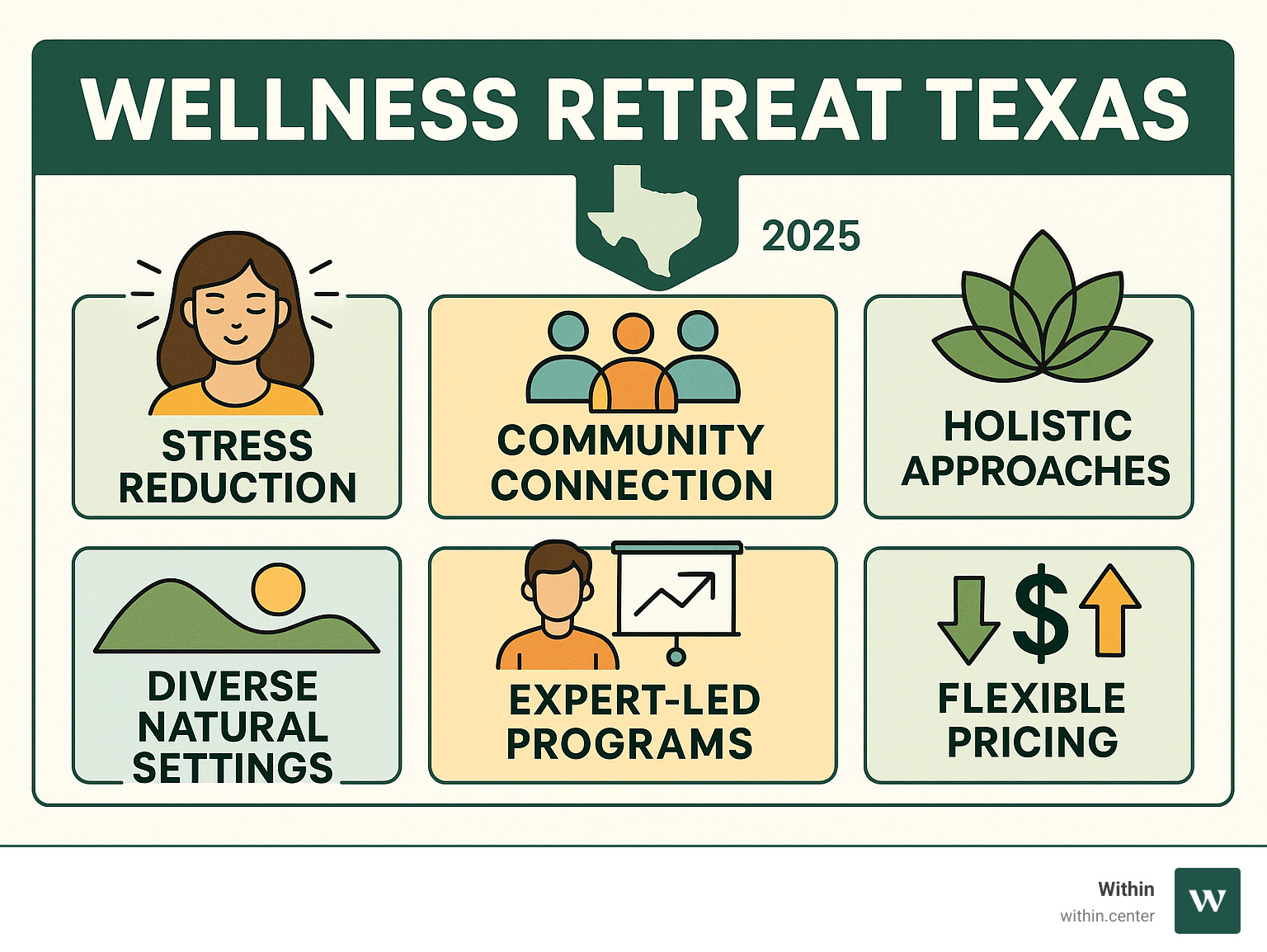
This is what the psychedelic renaissance is about: moving beyond traditional mental health care toward something more compassionate and transformative. It’s about reconnecting with who you truly are.

The future of mental health care is here. If you’re ready to explore what’s possible when cutting-edge neuroscience meets compassionate, integrated care, we’re here to guide you.

Your journey toward holistic well-being can begin today.

Explore a Psychedelic Therapy Retreat

Ketamine Therapy Experiences: Real Voices and Expert Insight from Within Center, Austin, Texas

By Ketamine RetreatNo Comments

A recent study published in JAMA Psychiatry sheds new light on the transformative potential of ketamine-assisted therapy. Researchers found that 70% of patients with treatment-resistant depression experienced significant symptom relief after a series of ketamine treatments combined with psychotherapy. The study emphasized that while the biochemical effects of ketamine are fast-acting, the therapeutic integration of those experiences is crucial for lasting change. As Dr. Rebecca Price, one of the study’s lead authors, puts it: “Ketamine’s promise lies not just in its pharmacology but in the holistic healing journey it catalyzes.”

At Within Center, located in the heart of Austin, Texas, this healing journey is not only a mission but a lived experience for many. We are a community-driven space dedicated to guiding individuals through ketamine therapy with the care, respect, and integration it deserves. Founded on principles of empathy, safety, and transformative healing, our approach is deeply rooted in understanding the nuances of each person’s unique path.

Voices from the Journey: Deep Ketamine Therapy Experiences at Within Center

Ketamine therapy is a deeply personal journey that can lead to profound healing, transformation, and new ways of being. At Within Center, we hold space for every guest’s unique process, combining expert clinical care with compassionate community and ceremonial ritual. Below are in-depth stories from people who trusted us with their healing, followed by reflections from our team to illuminate what makes this experience so powerful.

Colleen Ryan: From Darkness to Transformation Through Retreat Healing

“The Within Center has completely changed my life.”

Colleen arrived at Within Center after years trapped in trauma and therapy that hadn’t fully healed her. She describes coming to Within in a profoundly dark place lost, broken, and stuck. But after completing the month-long retreat program, she experienced a complete transformation. Colleen processed deep trauma, removed mental and emotional blocks, and emerged as a renewed, healthier version of herself.

She emphasizes that Within’s greatest gift isn’t just the treatment but the people. Sarah Slack, the Retreat Manager & Guide, held a space of immense compassion and healing throughout Colleen’s journey. Taylor, the chef, nourished not only her body but brought joy and lightness to each day. Luke Carver, Admissions Director, taught gratitude and kindness, while therapist David Burks gently helped her break down walls with genuine care.

Within Center Expert Insight:
Colleen’s experience highlights how healing at Within extends far beyond the ketamine sessions. Our integrative approach emphasizes deep therapeutic support, compassionate coaching, community, and nourishing environments all vital to sustaining transformation. Retreats allow space for extended healing that connects mind, body, and spirit, enabling clients to move beyond old patterns and integrate new ways of being.


Jo Davis: A Science-Based Miracle for Treatment-Resistant Depression

“Within Center’s approach is nothing short of a MIRACLE.”

Jo, a clinical psychology degree holder and lifelong seeker of mental health solutions, came to Within after decades of battling anxiety and major depressive disorder including years of medication, ECT, and conventional treatments that failed to provide lasting relief. She found that ketamine therapy combined with Within’s integrative, holistic environment created breakthroughs she’d never experienced before.

With guidance from therapist David Burks and coach Sarah Slack, Jo accessed neuroplasticity to reshape unhealthy thought patterns. She praised the highly personalized care and the full spectrum of support from the staff. Jo describes the experience as life-giving, pulling her “out of the grave” and allowing her to truly live and enjoy life again.

Within Center Expert Insight:
Jo’s story exemplifies the power of combining ketamine’s neuroplastic effects with expert therapeutic support and community. The drug opens a window for change, but meaningful healing requires guidance, integration, and a nurturing environment. This approach aligns with growing research underscoring the importance of therapy alongside psychedelic-assisted treatments for sustainable mental health outcomes.


Tracey Keller: A Journey of Self-Discovery and Lasting Change

“Within is an exceptional Ketamine Therapy retreat that has completely transformed our lives.”

Tracey shares how Within’s serene space and warm, compassionate staff created a foundation for healing. She appreciated the therapy rituals and customized care that helped unlock deep insights and personal breakthroughs. Tracey underscores that Within’s approach is not only about the ketamine but the rituals, expertise, and overall commitment to healing.

Within Center Expert Insight:
Creating a safe, nurturing environment with skilled facilitators and intentional rituals enhances the ketamine experience, enabling clients to access subconscious layers and transform limiting beliefs. These elements contribute to the long-term success of therapy by fostering openness, trust, and holistic care.


Amy Bludworth: Integrative Healing for Complex PTSD and Anxiety

“I can finally say that I AM healing and not just on a path to FIND healing.”

Amy’s journey began with curiosity and research. After attending a talk on psychedelic integration led by Within’s David Burks, she felt welcomed and supported despite initially thinking the event was just for therapists. Amy entered ketamine therapy with compounded PTSD, depression, and anxiety, and after six sessions alongside skilled providers like Psychiatric Nurse Practitioner Pascha and therapist Elizabeth Rosenblum, she experienced major symptom relief and was able to discontinue several medications.

Amy highlights the holistic and deeply compassionate care she received from intake to aftercare and her desire to continue healing through classes and community offerings.

Within Center Expert Insight:
Amy’s experience illustrates the importance of integrative care models in psychedelic therapy, addressing not only symptoms but the whole person’s well-being. The supportive team approach and ongoing community engagement amplify the benefits of ketamine therapy, ensuring clients have the tools and relationships needed for long-term healing.


Ryan Carmona: Compassion and Connection at the Heart of Healing

“There is a level of human connection at Within that I have not found in any other community.”

Ryan came to Within with little psychedelic experience and some fear. Right from the start, the team’s compassion and support made him feel safe and understood. He credits guides like Sarah and Luke for helping him cultivate self-love and compassion, essential foundations for his healing journey. Ryan’s story reflects the transformative power of connection and support in mental health recovery.

Within Center Expert Insight:
Psychedelic-assisted therapy thrives in relational contexts. Feeling safe, accepted, and deeply supported allows clients to open up and engage fully with their healing journey. Within Center’s dedicated guides provide a unique combination of expertise, empathy, and presence that helps clients reconnect with themselves and others.

Robin: Hope Restored After Years of Darkness

“Ketamine was a game changer, and we are now on a mission to spread the word.”

Robin and her family endured eight long years of depression, anxiety, and suicidal ideation with no improvement despite trying numerous pharmaceuticals. Their breakthrough came with Within Center. The warmth, transparency, and heartfelt care especially from Luke, who shared his personal healing story sealed the family’s trust in the program.

Robin’s daughter, after just 15 days into a 30-day treatment, showed remarkable improvement, “the sparkle” returning to her voice for the first time in years. Robin praises the entire team for their kindness, quick responsiveness, and unwavering compassion, giving her family a new sense of safety and hope.

Within Center Expert Insight:
Robin’s story highlights how ketamine therapy, combined with a loving, transparent care team, can restore hope and improve quality of life, even in cases where conventional treatments have failed. Family involvement and consistent communication also build a powerful support network essential for lasting change.


Melanie McDaniel: A Magical Healing Sanctuary in the Heart of Austin

“When you step into the center, you know you just left Austin and warped into some magical realm.”

Melanie appreciates the unique energy of Within Center a place that feels both comfortable and transformative. She emphasizes the loving energy of the staff and the amazing classes that support clients’ psychedelic journeys. Located right in the vibrant city of Austin, the center offers a calm sanctuary with its own special vibe.

Within Center Expert Insight:
Healing spaces matter. The carefully crafted environment at Within provides clients with a sense of safety and wonder, essential for accessing the deep inner work ketamine therapy enables. Classes and community activities support ongoing integration, helping clients weave their experiences into daily life.


Cecilie Bullard: A Positive Experience with Room for Expansion

“It was a wonderful experience when I needed it most! Staff was amazing!”

Cecilie praises the staff’s amazing care and acknowledges the positive impact of her experience at Within. Her only disappointment was that, after completing the program, she wanted to pursue microdosing ketamine with another provider but was unable to continue as Within does not offer microdosing or discharge summaries for external providers.

Within Center Expert Insight:
Within Center focuses on macrodose, ceremonial-style ketamine therapy and deep integration, prioritizing transformative experiences over ongoing microdosing protocols. We are expanding offerings such as booster sessions and integration programs to meet evolving client needs while maintaining our commitment to safe, intentional healing pathways.


Tamara Schnarr: A True Healing Sanctuary with Heart

“Within is a true healing sanctuary! The staff is loving, welcoming, and experienced.”

Tamara was honored to be part of Within Center’s first retreat and found the preparation, intention-setting, and guide support essential to her experience. She felt safe and held throughout, appreciating how the guides enhanced her journey with “magical tools.” The experience left her feeling calm, accepting, and reset.

Within Center Expert Insight:
Preparation and intention-setting before psychedelic therapy are crucial for a safe and meaningful experience. At Within, our guides use a range of therapeutic and ritual tools to support clients emotionally and spiritually, helping them navigate inner landscapes with confidence and trust.


Linnette Rosario: Lasting Change After Years of Trauma

“Within Center has completely changed my life!”

Linnette had struggled for years with trauma and had difficulty making lasting progress in therapy until she found Within Center. She emphasizes that while ketamine treatments reveal hidden parts of the self, the real magic lies in the before-and-after work: therapy, coaching, and holistic healing that engages the body and energy.

Linnette credits the people, resources, and comprehensive support at Within for the transformational shift in her mental health, well-being, and recovery.

Within Center Expert Insight:
Psychedelic therapy is only one piece of the healing puzzle. Integration through coaching, talk therapy, and somatic work grounds and stabilizes insights gained during sessions. Linnette’s experience affirms Within Center’s commitment to a full-spectrum, client-centered approach that honors the whole person.

What Sets Us Apart

The depth of care at Within Center is matched by our commitment to measurable outcomes. According to internal data gathered from over 200 clients, 85% report sustained improvement in mood and anxiety symptoms three months post-treatment. Our team continually incorporates the latest research and adapts practices to fit individual needs. This ensures a treatment model that is both evidence-based and deeply human.

Our holistic ethos extends to how we create our spaces designed to feel warm and welcoming, reflecting a sanctuary rather than a clinical setting. Clients often tell us that this atmosphere helps them relax and engage fully in the process.

Returning to the Science and the Soul

The findings highlighted by JAMA Psychiatry resonate strongly with what we witness every day at Within Center. Ketamine therapy is not a simple chemical intervention; it’s a gateway to profound inner work. As our Admissions & Intake Coordinator, Trinidad, eloquently states, “Ketamine opens the door, but therapy walks you through it.”

If you or someone you love is struggling with depression, anxiety, PTSD, or other mental health challenges that have resisted traditional treatments, we invite you to explore what ketamine therapy with us can offer. Healing is possible, and no one should have to face their journey alone.

Reach out to Within Center today. Together, we can walk the path toward renewed hope and healing.


Texas Retreats: Your Guide to Spiritual and Wellness Getaways

By Ketamine Retreat, Wellness RetreatNo Comments

Why Texas is Your Next Wellness Destination

Texas Hill Country landscape at sunrise - wellness retreat Texas

Wellness retreat Texas experiences offer a unique blend of natural beauty, Southern hospitality, and innovative healing practices that create the perfect environment for change. Whether you’re battling anxiety, depression, PTSD, or burnout, Texas provides diverse landscapes and world-class facilities designed for profound personal healing.

Top Texas wellness retreat destinations include:

  • Austin area – A hub for award-winning spas and destination resorts known for their innovative wellness programs
  • Hill Country – Rolling hills and serene ranches perfect for mindfulness and reflection
  • East Texas Piney Woods – Secluded forest retreats focused on women’s healing and community
  • Gulf Coast beaches – Waterfront wellness experiences combining spa treatments with nature

What makes Texas special for wellness seekers:

  • Diverse landscapes from tranquil lakes to expansive deserts
  • Year-round mild climate ideal for outdoor healing activities
  • Cultural richness rooted in warm hospitality and innovative wellness practices
  • Range of retreat types from luxury all-inclusive resorts to intimate ranch experiences

Texas offers something for every healing journey. From comprehensive wellness centers with structured programs to women-focused sanctuaries, the Lone Star State has welcomed thousands seeking restoration since the early 2000s.

The state’s wellness scene combines traditional practices like yoga and meditation with cutting-edge approaches to mental health healing. Many retreats offer all-inclusive packages covering accommodations, healthy meals, spa treatments, and expert-led programs ranging from $649 for weekend experiences to luxury week-long stays.

Infographic showing key benefits of Texas wellness retreats including stress reduction, community connection, holistic healing approaches, diverse natural settings, expert-led programs, and flexible pricing options from budget-friendly to luxury experiences - wellness retreat Texas infographic

What to Expect From a Texas Wellness Getaway

Starting a wellness journey can feel overwhelming, but understanding what awaits you helps create the perfect foundation for change. A wellness retreat Texas experience goes far beyond a typical vacation – it’s an immersive opportunity for self-findy, rejuvenation, and profound healing. This section breaks down the common components of retreats to help you plan your transformative escape.

Common Activities and Programs

yoga class overlooking a lake - wellness retreat Texas

Texas wellness retreats accept a holistic approach to well-being, addressing your mind, body, and spirit as interconnected parts of your whole self. While each retreat has its unique personality, you’ll find several common threads woven throughout these healing experiences.

Movement and mindfulness form the foundation of most programs. Yoga and meditation sessions welcome all levels, from complete beginners to advanced practitioners. These practices help you deepen your connection to yourself, find inner peace, and improve both flexibility and mental focus. Some retreats offer unique twists – imagine practicing yoga alongside gentle horses or meditating in ancient oak groves.

Spa and body treatments provide luxurious pathways to healing. You might indulge in therapeutic massages, rejuvenating facials, or detoxifying body wraps. These treatments aren’t just about pampering – they’re designed to release physical tension, improve circulation, and support your body’s natural healing processes.

Given Texas’s stunning natural diversity, outdoor activities are a retreat staple. You’ll find yourself hiking through rolling Hill Country landscapes, riding horses across expansive ranches, or kayaking on pristine lakes. These activities connect you with nature while boosting your physical fitness and mental clarity.

Holistic healing and workshops address your deeper needs for growth and understanding. You might participate in mindfulness workshops, attend motivational talks, or explore educational sessions about wellness. Unique offerings include sound baths that wash over you with healing vibrations, cacao ceremonies that open your heart, or chakra showers that balance your energy centers.

Culinary experiences nourish both body and soul. Most retreats feature farm-to-table dining with ingredients sourced from on-site gardens or local farms. Many also offer cooking classes, teaching you to prepare delicious, healthy meals you can recreate at home.

For those seeking deeper healing, some Texas retreats offer specialized modalities that address complex mental health challenges. At Within Center, we provide unique healing approaches that include psychedelic-assisted therapy. These immersive, live-in experiences combine comprehensive integration support with strong community connections to foster true holistic well-being. To learn more about how these innovative approaches are changing mental health, explore Within Center’s unique healing modalities.

Typical Inclusions, Accommodations, and Costs

When considering a wellness retreat Texas, understanding what’s typically included, accommodation styles, and price ranges helps you set realistic expectations and budget appropriately.

Most high-quality wellness retreats operate on an all-inclusive model, which means once you’ve paid for your stay, you’re covered for the essentials. This typically includes accommodations ranging from luxurious private villas to charming rustic cabins or unique glamping experiences. Your healthy meals and beverages are usually covered, featuring fresh, locally sourced ingredients and often plant-based options. Most retreats happily accommodate dietary restrictions like vegetarian, vegan, gluten-free, and dairy-free needs.

Your daily activities and programs are included – think yoga classes, meditation sessions, fitness activities, and wellness workshops. Spa access to facilities like saunas, hot tubs, and relaxation rooms is typically part of your stay, though specific treatments might cost extra. Many luxury retreats operate on a gratuity-free model, simplifying your experience, and some even provide airport transportation for more remote locations.

Accommodation options vary widely based on your preferences and budget. Luxury villas and suites offer privacy, high-end amenities, and often personalized service. Charming cottages and rooms provide comfort with local character and rustic appeal. Rustic cabins and glamping options let you connect more closely with nature without sacrificing comfort. Boutique hotel stays in urban areas combine wellness experiences with full spa and fitness facilities.

Cost and duration for a wellness retreat Texas varies significantly based on luxury level, length, and specific inclusions. Weekend retreats can start around $649 for shorter, more basic experiences. Week-long stays at comprehensive wellness centers typically range from $2,675 to $2,855, covering tuition, room, and meals. Luxury resort experiences often start from $1,500 per guest per night. Overall, you might find options ranging from approximately $240 for shorter retreats to over $18,500 for extended, highly specialized luxury experiences.

FeatureBudget-Friendly Retreat (Weekend)Luxury Retreat (Week-long)
MealsYes, all meals, usually healthy and sometimes locally sourcedYes, all meals, including gourmet options, usually locally sourced and customized to preferences, plus unlimited snacks and non-alcoholic beverages
AccommodationBasic to mid-range comfortHigh-end luxury rooms, villas, or suites with private bathrooms
Wellness ActivitiesDaily yoga, meditation, basic fitness classesExtensive schedule including yoga, meditation, advanced fitness, specialized workshops (sound baths, equine therapy), and private sessions
Spa AccessAccess to general spa facilities if availableFull access to world-class spa facilities, often including hydrotherapy pools and relaxation lounges
Expert GuidanceGroup instruction with limited individual attentionExpert-led counseling, private coaching, personalized itineraries, and access to specialists like nutritionists and therapists
Outdoor ActivitiesGuided hikes and nature walksHorseback riding, challenging activities, specialized water sports, and unique nature experiences
TransportationSelf-arranged or limited shuttle serviceOften includes airport transfers
Additional AmenitiesBasic communal areasResort credits, welcome gifts, pools, hot tubs, and unique dining experiences
FocusReset, relaxation, basic wellnessDeep change, specialized healing, and luxury comfort

Exploring the Diverse Landscape of the Wellness Retreat Texas Scene

group meditating in a natural, wooded setting - wellness retreat Texas

The beauty of Texas lies not just in its sprawling landscapes, but in how these diverse settings create the perfect backdrop for every type of healing journey. Whether you’re drawn to the rolling hills of the Hill Country or the peaceful forests of East Texas, there’s a wellness retreat Texas experience waiting that speaks directly to your soul.

Each retreat scene across Texas has developed its own personality and specialty. Some focus on the solo traveler seeking quiet reflection, while others create sacred spaces specifically for women’s healing. Many have pioneered innovative approaches to mental health and stress reduction, while luxury retreats offer five-star comfort alongside change. Let’s explore what makes each of these retreat types special.

For the Solo Traveler Seeking Self-Findy

There’s something powerful about taking time away just for yourself. No one else’s schedule to consider, no compromises to make – just you and the space to refind who you are beneath all the daily noise.

Texas retreats have mastered the art of creating safe environments where solo travelers can dive deep into personal growth. Most welcome participants of all experience levels, so whether you’ve never meditated before or you’re a seasoned practitioner, you’ll find your place.

What makes solo-focused retreats special is their emphasis on quiet reflection. You’ll find ample time for journaling by a peaceful lake, silent meditation in natural settings, and simply sitting with your thoughts without distraction. The mindfulness workshops are designed to help you clarify what you really want from life and develop the self-awareness to get there.

Interestingly, while these retreats honor your need for solitude, they also offer community connection when you’re ready for it. Many solo travelers are surprised by the deep bonds they form with like-minded people on similar journeys. You can choose to join group activities or retreat to your private space – whatever feels right in the moment.

For Women-Only Sanctuaries

Sometimes we need a space where we can completely let our guard down, surrounded by others who truly understand our experiences. Women-only retreats in Texas create these precious healing spaces where judgment simply doesn’t exist.

These sanctuaries focus on connection and support in ways that feel deeply nurturing. Picture yourself in women’s circles where stories are shared openly, collaborative workshops that build each other up, and shared meals that feel like gathering with your closest sisters. The empowerment that emerges from these connections often surprises participants with its strength.

The nurturing environments combine gentle yoga practices with guided meditation and intentional self-care, all set within Texas’s most serene natural settings. Many of these retreats sit on acres of trees and natural beauty, creating the perfect backdrop for deep healing work.

What sets these retreats apart are their custom programs designed specifically for women’s unique needs. You might find workshops on setting healthy boundaries, developing intuition, or practicing radical self-care – all topics that resonate deeply with the female experience.

Finding a Mental Health and Stress Reduction Wellness Retreat in Texas

In our always-connected world, stress and burnout have become unwelcome companions for many of us. The good news? Texas has become a leader in offering specialized retreats for stress reduction and emotional healing, combining time-tested practices with cutting-edge therapeutic approaches.

These retreats often start with a digital detox – a chance to disconnect from screens and reconnect with yourself and the natural world around you. It’s amazing how much mental space opens up when we’re not constantly checking our phones.

Many centers offer expert-led counseling through both individual and group therapy sessions with qualified professionals. The focus extends beyond just managing symptoms to addressing underlying causes and building lasting resilience.

Some Texas retreats are pioneering innovative approaches to mental health treatment. The state has acceptd new therapeutic modalities that show remarkable promise for conditions like treatment-resistant depression, anxiety, chronic pain, and PTSD. These approaches often emphasize the importance of comprehensive integration support and community connection for lasting healing.

For those seeking profound healing and connection, an immersive experience can be life-altering. We at Within Center offer guided psychedelic therapy retreats designed for deep, lasting well-being, combining innovative therapeutic approaches with comprehensive integration support in a community-focused environment.

What to Look for in a Luxury Wellness Retreat in Texas

high-end spa facility or infinity pool - wellness retreat Texas

Sometimes change calls for a touch of luxury. Texas’s high-end wellness retreats understand that healing can happen beautifully when we’re surrounded by comfort, elegance, and world-class service.

Five-star amenities set the stage for your experience – think private plunge pools overlooking Hill Country vistas, beautifully designed common areas that invite relaxation, and accommodations that feel more like a luxury home than a hotel room.

The gourmet cuisine at luxury retreats lifts healthy eating to an art form. Award-winning chefs create exquisite meals using locally sourced, organic ingredients that nourish both body and soul. Every meal becomes a meditation on flavor, presentation, and mindful eating.

Personalized itineraries mean your retreat experience is crafted specifically for you. Rather than following a set schedule, you might enjoy private sessions with wellness experts, custom fitness plans designed for your goals, and one-on-one consultations that address your unique needs.

World-class spa services go far beyond basic treatments. Expect extensive menus of advanced therapies, hydrotherapy circuits, and highly trained therapists who understand that true wellness touches every aspect of your being.

The secluded locations of luxury retreats offer something money can’t usually buy – true privacy and peace. Whether nestled in a sprawling Hill Country ranch or perched beside a serene lake, these settings allow you to disconnect completely from the outside world.

Most importantly, luxury retreats accept all-inclusive comfort that removes every worry about logistics. From airport transfers to gratuity-free policies, every detail is handled so you can focus entirely on your healing journey.

How to Choose Your Perfect Texas Retreat

Finding the right wellness retreat Texas experience doesn’t have to feel overwhelming. With some thoughtful reflection and research, we can find a retreat that truly speaks to our needs and creates lasting change. This guide will help us align our personal intentions with the perfect healing environment.

Define Your Intention and Goals

Before we start exploring options, we need to get clear on what we’re really seeking. What’s driving us to take this step toward wellness?

Maybe we’re drowning in stress and burnout, feeling like we’re running on empty and need more than just a weekend off. Or perhaps we have specific fitness goals – wanting to jumpstart a healthier lifestyle, deepen our yoga practice, or reconnect with our body through movement in nature.

For some of us, the call is deeper – a need for spiritual growth and connection with our inner wisdom. We might be drawn to meditation, mindfulness practices, or exploring the profound healing that comes from truly seeing ourselves.

Others are navigating emotional healing, whether it’s processing grief, managing anxiety or depression, or seeking support through a major life transition. Sometimes we simply need general rejuvenation – a chance to step away from daily demands and remember who we are beneath all the doing.

Setting a clear purpose for our retreat helps us cut through the noise and find experiences that will actually serve our healing journey. It’s the difference between a nice vacation and a truly transformative experience.

Consider the Location and Best Time to Visit

Texas offers us an incredible variety of healing landscapes, each with its own unique energy and benefits.

The Texas Hill Country wraps us in rolling hills and endless sky, perfect for those seeking peace and natural beauty. There’s something about those wide-open spaces that helps our minds settle and our hearts open. The East Texas Piney Woods offers deep forest healing – the kind of quiet that only comes from being surrounded by ancient trees and wildlife.

If water calls to our soul, the Gulf Coast provides the rhythmic healing of waves and sea breezes. And the Austin area has become a true wellness hub, combining innovative healing approaches with the city’s creative, welcoming spirit.

Timing matters too. Spring (March through May) is magical here, with wildflowers painting the Hill Country and temperatures perfect for outdoor healing. Fall (September to November) brings comfortable weather and beautiful colors, especially in East Texas.

Summer can be intense with the Texas heat, so if we’re planning a warm-weather retreat, we’ll want to look for places with plenty of shaded spaces and water activities. Winter is surprisingly mild, making Texas a wonderful escape from colder climates – and often less crowded too.

Research and Read Reviews

Once we know what we’re seeking and where we want to go, it’s time to dig deeper into our options.

We want to check facilitator credentials, especially for retreats focusing on mental health or specialized healing modalities. The people guiding our journey should have the training and experience to hold safe, sacred space for our change.

Reading testimonials and reviews gives us real insight into what we can expect. Look beyond the retreat’s own website to get a fuller picture. Pay attention to what people say about the atmosphere, the food, how supported they felt, and whether they experienced real change.

We also want to understand each retreat’s philosophy and approach. Does it resonate with our values and beliefs? Some places have a more spiritual focus, others emphasize physical wellness, and some integrate cutting-edge therapeutic approaches.

Don’t be shy about asking questions directly. Any reputable retreat will be happy to discuss dietary accommodations, accessibility, what a typical day looks like, and how they support participants through their healing journey.

For those interested in how innovative mental health approaches are changing the wellness landscape, we encourage you to read about Austin’s wellness revolution, which explores how Texas is becoming a leader in holistic healing practices.

Frequently Asked Questions about Texas Wellness Retreats

When we’re considering a wellness retreat Texas experience, it’s natural to have questions. Here are the most common concerns we hear from people planning their first retreat, along with honest answers to help you feel prepared and confident about your journey.

Do I need prior experience with yoga or meditation?

Absolutely not! This is probably the biggest worry people have, and we completely understand why. The thought of walking into a yoga class when you can barely touch your toes can feel intimidating. But here’s the truth: most retreats welcome all levels, and that’s not just marketing speak.

Retreat instructors are trained to work with complete beginners. They’ll show you modifications, offer props like blocks and straps, and create a supportive environment where no one judges your downward dog. Many retreats even have specific beginner sessions or offer different levels of the same class.

The same goes for meditation. You don’t need to sit in perfect lotus pose for hours. Most meditation sessions start with just a few minutes of breathing exercises. Advanced practices are available for those who want them, but the focus is always on meeting you where you are right now.

What should I pack for my retreat?

Packing for a Texas wellness retreat doesn’t have to be complicated, but a little planning goes a long way. The key is thinking about comfort and the unpredictable Texas weather.

For clothing, pack comfortable, breathable pieces like yoga pants, loose cotton tops, and clothes you can move in easily. Texas weather can surprise you – it might be warm during the day but cool in the evening, so bring layers for temperature changes. A light sweater or jacket will save you from shivering during early morning meditation sessions.

Don’t forget comfortable walking shoes for hiking trails or exploring the grounds. Most retreats have pools or spa facilities, so pack a swimsuit even if you’re not planning to swim. You might change your mind when you see that beautiful infinity pool overlooking the Hill Country.

Sunscreen is non-negotiable in Texas – the sun is stronger than you think, even in winter. A reusable water bottle is essential for staying hydrated, and most retreats have refill stations throughout their facilities.

Bring a journal and pen for capturing insights and reflections. These quiet moments often bring unexpected clarity, and you’ll want to remember them. If you’re heading to a wooded area or lakeside retreat, insect repellent will make your outdoor time much more enjoyable.

Are retreats accommodating to special dietary needs?

Yes, most wellness retreats cater to dietary restrictions beautifully. In fact, nourishing food is often one of the highlights of the retreat experience. Texas wellness retreats typically serve fresh, locally-sourced meals that celebrate both healthy eating and regional flavors.

Whether you’re vegetarian, vegan, gluten-free, or dealing with specific allergies, retreats are usually well-equipped to handle your needs. Many have experience with complex dietary requirements and take pride in creating delicious meals that everyone can enjoy.

The key is to inform the retreat in advance about any restrictions or allergies. Don’t wait until you arrive – give them time to plan menus and source appropriate ingredients. When you book, mention everything from severe allergies to simple preferences. Most retreat coordinators are happy to discuss your needs and ensure you’ll be well-fed throughout your stay.

If you have multiple restrictions or severe allergies, consider having a phone conversation with the retreat staff before booking. They’ll appreciate your proactive approach, and you’ll have peace of mind knowing they can accommodate you safely.

Conclusion: Begin Your Transformative Journey in Texas

person looking out peacefully over a Texas vista - wellness retreat Texas

Texas isn’t just a place on the map—it’s a doorway to change. When we choose a wellness retreat Texas experience, we’re stepping into a state that understands the power of wide-open spaces, genuine hospitality, and the kind of healing that happens when we give ourselves permission to slow down.

From the peaceful lakes around Austin to the gentle hills of the Hill Country, from the whispering pines of East Texas to the endless horizons that stretch beyond what we can see, Texas offers something special. It’s not just the scenery that makes the difference—though watching a sunrise over rolling hills can shift something inside us. It’s the way this state accepts both traditional healing practices and cutting-edge wellness approaches.

Whether we’re carrying the weight of stress, working through emotional challenges, or simply feeling disconnected from ourselves, the right retreat experience can be the catalyst we’ve been looking for. We’ve seen people arrive feeling exhausted and leave with a spark in their eyes. We’ve watched guests find strengths they didn’t know they had and find peace they thought was impossible.

The beauty of Texas wellness retreats lies in their diversity. Some of us need the gentle accept of women-only sanctuaries. Others thrive in luxury settings where every detail is handled with care. Still others are drawn to innovative approaches that address healing at the deepest levels. Whatever calls to us, Texas has created space for that journey.

For those seeking profound healing and connection, an immersive experience can truly be life-altering. The combination of expert guidance, supportive community, and the expansive Texas landscape creates conditions where real change becomes possible.

At Within, we understand that true change happens when we address the whole person—mind, body, and spirit. That’s why we offer guided psychedelic therapy retreats designed for deep, lasting well-being. Our immersive, live-in experiences at AWKN Ranch provide comprehensive integration support and a strong community focus, creating the foundation for holistic healing.

Your journey to peace and profound change is waiting. In the heart of Texas, surrounded by nature’s wisdom and supported by caring professionals, you can find what’s possible when you give yourself the gift of true wellness. The vista ahead is yours to explore.