

A ketamine wellness center represents a breakthrough approach for mental health conditions that have resisted traditional therapies. These specialized clinics offer ketamine-assisted psychotherapy in controlled, therapeutic settings, combining neuroscience with compassionate care to help people find relief when other treatments have failed.
What you need to know about ketamine wellness centers:
- Rapid relief: Unlike traditional antidepressants that can take weeks to work, ketamine may provide symptom relief within hours or days.
- Treatment focus: Specialized care for treatment-resistant depression, PTSD, anxiety, OCD, and chronic pain.
- Supervised environment: Medical professionals monitor all treatments in comfortable, clinical settings.
- Holistic approach: Many centers combine ketamine with psychotherapy and integration support for lasting change.
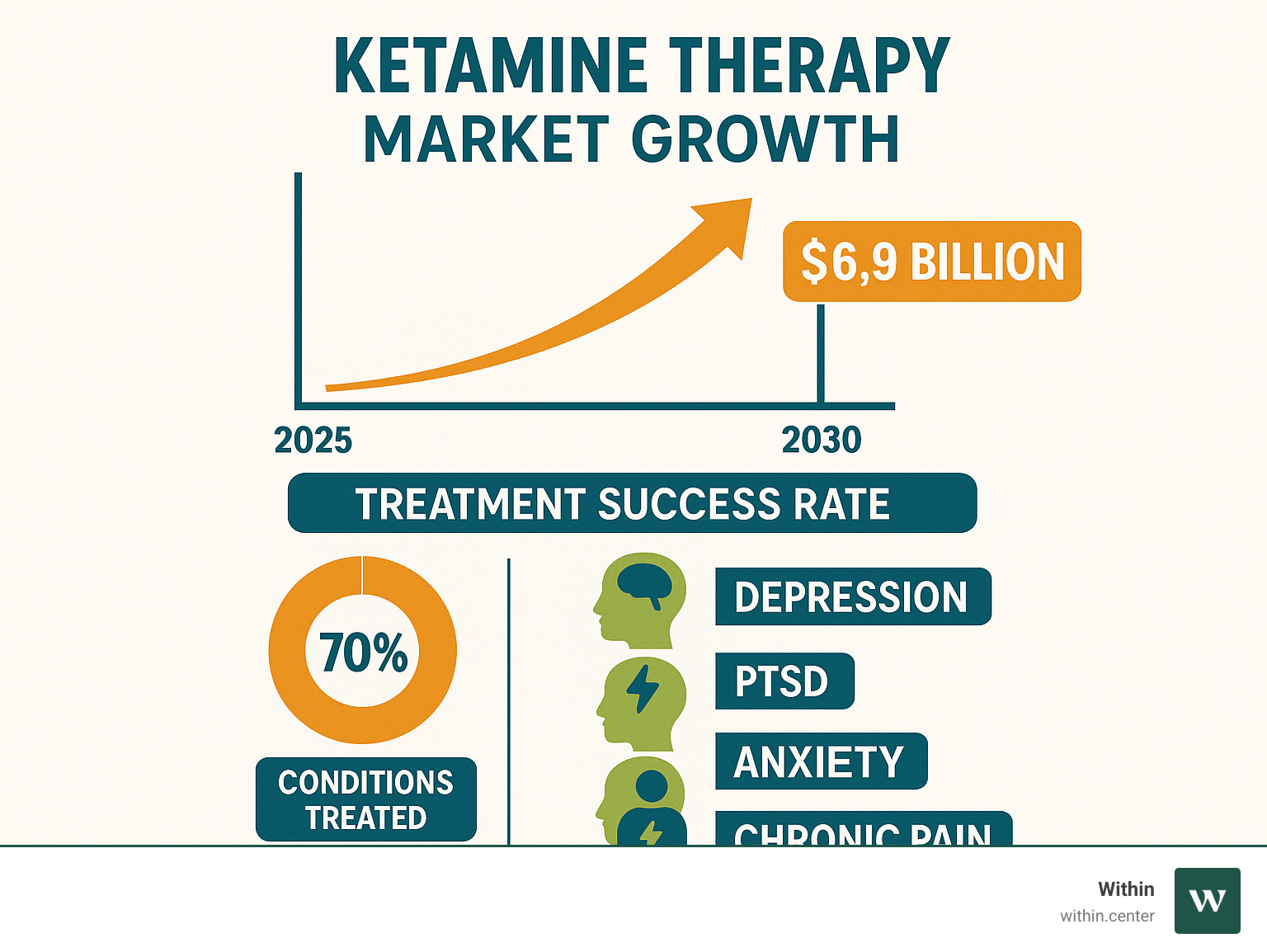
- Growing field: The ketamine therapy market is projected to reach $6.9 billion by 2030.
The rapid growth in this emerging field has also brought volatility, highlighting the importance of choosing a quality, stable ketamine wellness center. As one patient shared after experiencing dramatic improvement: “This worked almost immediately for me and my PTSD symptoms decreased significantly… my symptoms have almost disappeared.”
For those struggling with chronic mental health issues, ketamine wellness centers offer a different path forward—one that works with the brain’s natural capacity for healing.
Understanding Ketamine Therapy: How It Rewires the Brain for Healing
Originally developed as an anesthetic in the 1960s, ketamine is now a breakthrough treatment for mental health conditions that resist traditional therapies.
What makes ketamine different is how it works with your brain. Most antidepressants target chemicals like serotonin, but ketamine works on the brain’s glutamate system—a massive network involving up to 90% of your brain’s neurons.
Chronic stress, depression, or trauma can overstimulate this system, leaving neural pathways disconnected. Ketamine acts as an NMDA receptor antagonist, blocking certain receptors to create space for healing. The medication helps restore damaged neurons and allows your brain to forge new, healthier pathways.
This process is called neuroplasticity—your brain’s ability to rewire itself. Ketamine also boosts Brain-Derived Neurotrophic Factor (BDNF), which scientists call “brain fertilizer” because it helps your brain grow new connections.
This combination calms the glutamate system, promotes neuroplasticity, and increases BDNF to help break stubborn negative thought patterns. To learn more, check out our guide on What is Ketamine Therapy?.

How Ketamine Differs from Traditional Antidepressants
While traditional antidepressants like SSRIs help many, they work very differently than ketamine.
| Feature | Traditional Antidepressants (SSRIs) | Ketamine Therapy |
| Mechanism of Action | Target serotonin levels | Work on the glutamate system, promoting rapid brain rewiring |
| Speed of Relief | Take 4-6 weeks or more to show benefits | Often provide improvement within days or hours |
| Treatment Protocol | Daily medication for long-term use | Intensive sessions followed by occasional boosters |
| Side Effects | Weight gain, emotional numbness, sexual issues | Temporary dissociation, nausea, dizziness during treatment |
| Success Rates | About 36% effectiveness for some conditions | 70-80% see rapid improvement in treatment-resistant cases |
Traditional antidepressants often help you cope, while ketamine helps you reconnect with yourself and the world. Rather than just managing symptoms, ketamine offers a therapeutic experience through transformative sessions that can shift your perspective.
The Importance of Ketamine-Assisted Psychotherapy (KAP)
The brain changes from ketamine are just the beginning. True healing happens when you combine those changes with skilled therapy.
Think of ketamine as opening a neuroplastic window, making your mind more open to new insights. This is an opportunity for lasting results.
Ketamine’s effects can include ego dissolution, where your inner critic and limiting beliefs temporarily step aside. This creates space to process trauma or emotional blocks without the usual fear and self-judgment.
This experience becomes a catalyst for change, often leading to profound insights. However, these moments need support to become lasting change. Skilled therapists help you process insights and turn them into real changes in your daily life. Without this integration work, even powerful experiences can fade.
This comprehensive approach is what transforms temporary relief into genuine healing. As we explore in Why Ketamine Alone Isn’t Enough and What True Healing Requires, the medicine opens the door, but therapy helps you walk through it.
The Benefits and Applications of Treatment at a Ketamine Wellness Center
When traditional treatments disappoint, a ketamine wellness center offers something different. The change isn’t just symptom relief—it’s people refinding parts of themselves they thought were lost.
The most striking difference is speed. While traditional antidepressants take weeks or months, ketamine often brings relief within hours or days. For someone overwhelmed by depression or suicidal thoughts, this rapid response can be life-saving.
Ketamine also promotes brain healing through neuroplasticity, helping your brain form new connections and build healthier patterns instead of staying stuck in painful loops.
At a comprehensive ketamine wellness center, the focus is on holistic care. We look at you as a whole person. We combine ketamine’s effects with therapy and integration support, helping you make sense of insights and weave them into lasting change.
This is about reconnecting with yourself—refinding your passions, purpose, and capacity for joy. Learn more about our unique approach through Psychedelic Therapy at Within Center.
Conditions Effectively Treated with Ketamine
Ketamine therapy is versatile. While it first gained attention for treatment-resistant depression, it has shown remarkable results across many conditions.
- Treatment-resistant depression: For those who’ve tried multiple treatments without success, ketamine often provides a breakthrough.
- PTSD: Ketamine’s ability to create a safe, dissociated state allows people to process traumatic memories without being overwhelmed.
- Anxiety disorders: Ketamine can quiet a racing mind, creating space for peace and clarity.
- Obsessive-compulsive disorder: Ketamine can interrupt exhausting cycles of intrusive thoughts and compulsive behaviors, offering a mental “reset.”
- Bipolar depression: When carefully administered, ketamine can lift the depressive phase without the risk of triggering mania.
- Chronic pain conditions: For conditions like fibromyalgia, ketamine can provide relief that allows people to re-engage with their lives.
Ketamine is not a standalone cure but a powerful catalyst when combined with therapeutic support and integration.
Real Stories of Change
Statistics tell one story, but personal changes tell another. These are lives being reclaimed and hope being restored.
One family shared that after ketamine treatment, their son’s severe anxiety lifted, allowing him to enjoy work and make friends—a “100% change for the better.”
Jennifer D., who struggled with treatment-resistant PTSD, experienced an “87% decrease” in symptoms after ketamine therapy. She said her symptoms “almost disappeared.”
We often hear from clients who feel relief within hours or days. The changes appear in simple ways: “smiling and laughing, listening to music again, less isolating and feeling more social and connected.” These small moments are enormous victories.
One veteran with severe PTSD and suicidal thoughts was able to re-engage with life in ways that had seemed impossible. These stories are reminders that renewed hope is possible, even when other treatments have failed.
Explore more powerful stories on our page: Ketamine Therapy Experiences: Real Voices and Expert Insight from Within Center Austin, Texas.
Your Journey at a Clinic: What to Expect
Starting ketamine therapy at a ketamine wellness center can feel overwhelming, but the journey is designed to be safe, supportive, and transformative.
Your journey begins with an initial consultation where we review your medical and mental health history. This helps us understand your unique situation and ensure ketamine is the right fit for you. Once we determine you’re a good candidate, we help you set clear intentions for your sessions. What are you hoping to heal or release? These intentions become your guide.
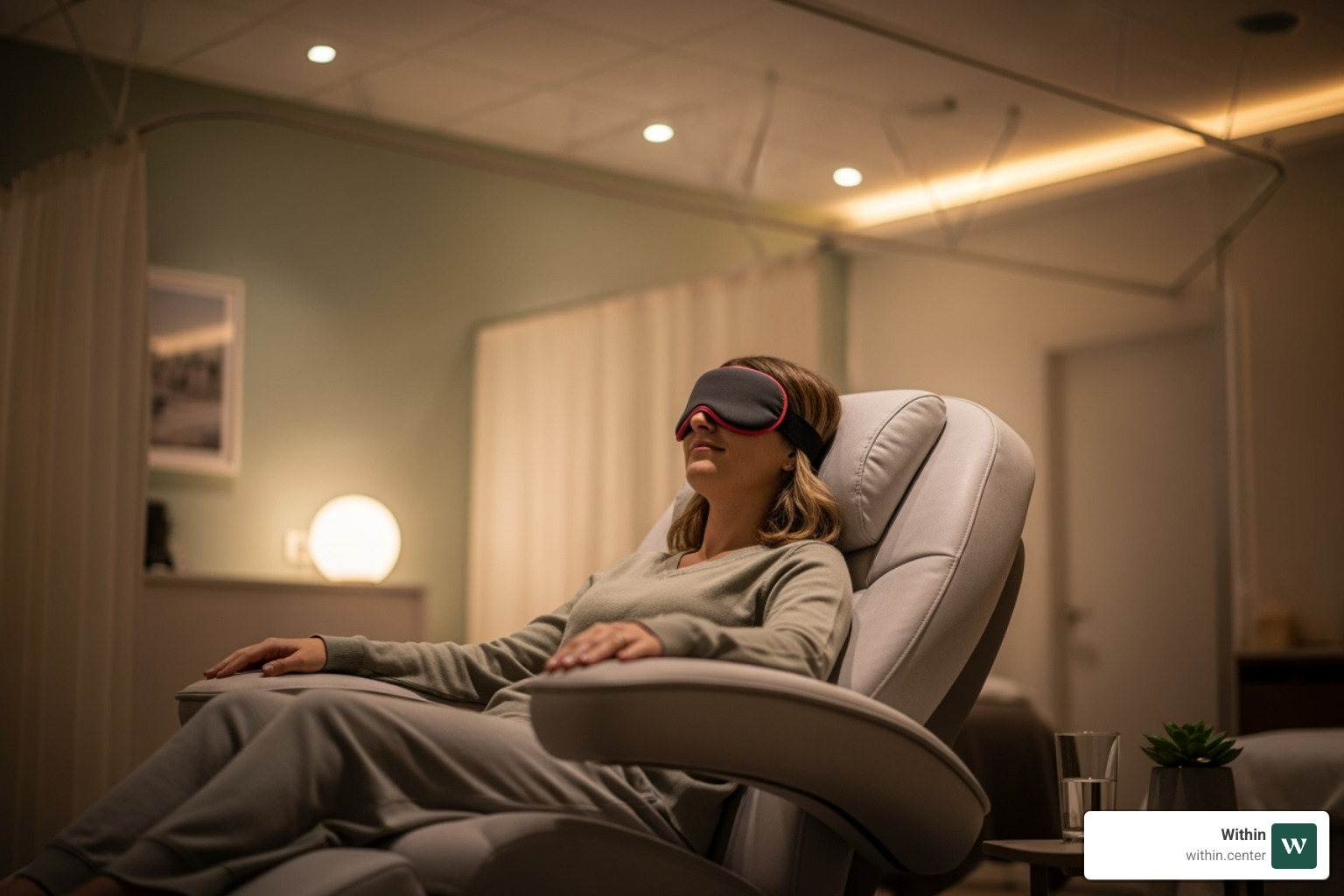
On treatment day, you’ll enter a comfortable, sanctuary-like space designed to help you feel at ease. Medical professionals are always present, monitoring your vital signs and ensuring your safety. You can let go and trust the process, knowing you’re in expert hands. After your treatment, you’ll have time to gently transition back, feeling grounded and ready to integrate your experience.
This is a journey of profound self-findy. To get a deeper sense of what awaits, explore The Ketamine Therapy Experience at our center.
The Treatment Process: From Consultation to Integration
Your path at a ketamine wellness center unfolds in carefully planned stages.
- Consultation: We begin with a deep dive into your mental health history and current challenges to determine if ketamine therapy is right for you.
- Personalized Plan: We craft a unique treatment plan, including the number of sessions, administration method (IV infusions, intramuscular injections, or oral lozenges), and how psychotherapy will be woven in.
- Preparation & Session: Before each treatment, you’ll meet with a therapist to set intentions. During the session, ketamine is administered while our medical team monitors your vital signs.
- Recovery: After the session, you’ll rest in a peaceful recovery area, allowing for initial reflection in a safe space.
- Integration: This is where the real magic happens. Through therapy and ongoing support, we help you make sense of your experiences and translate insights into lasting changes. This is what sets a truly holistic ketamine wellness center apart.
The therapy component is essential. Learn more about How Important is the Therapy Component of Ketamine Therapy?.
The Subjective Experience and Its Therapeutic Value
Ketamine often creates an altered state of consciousness, which can be incredibly healing.
Dissociation is the feeling of stepping outside your usual perspective, allowing you to observe your thoughts and emotions without being caught up in them. This temporary shift can be liberating, especially if you’re trapped in cycles of anxiety or depression.
Some clients feel detached from their body or mental chatter, while others report a sense of floating. This is a powerful therapeutic tool. When you’re no longer identified with your pain, you can see it with more compassion and clarity.
Many people experience transpersonal or mystical moments, such as profound life insights or a deep sense of connection. These aren’t hallucinations; they are your mind exploring new perspectives previously blocked by depression or trauma.
This temporary “ego dissolution” quiets the negative stories you tell yourself, allowing new possibilities to emerge. While these experiences can sometimes feel intense, proper preparation and skilled support turn even challenging moments into catalysts for healing.
For guidance on navigating this journey, watch Facing the Scary Things in Ketamine-Assisted Psychotherapy.
Navigating the Practicalities: Safety, Costs, and Research
When considering a ketamine wellness center, it’s natural to have questions about safety, costs, and the science behind the therapy. We believe in providing all the facts so you can make an informed decision.
Ketamine therapy is an “off-label” use for mental health, meaning an FDA-approved medication for anesthesia is used for another purpose like depression. This is common in medicine. What matters most is receiving treatment with medical supervision and proper protocols. A quality ketamine wellness center will have experienced medical professionals overseeing all aspects of your care.
The regulatory landscape is evolving, which is why choosing a center that prioritizes patient safety and integrity is crucial. We are committed to the highest standards of care within a secure and ethical framework.
For more insight into our approach, explore The Doorway In: How Psychedelic Therapy and Community Care are Changing Mental Health at Within Center.
Potential Risks and Side Effects
While ketamine has a strong safety profile when administered properly, it’s important to be informed about potential side effects.
Short-term effects during or right after a session may include nausea, fatigue, or temporary blood pressure changes. Our medical team monitors you closely to manage these effects. The dissociative effects, while therapeutically valuable, can feel unusual, which is why preparation with experienced guides is so important.
Long-term risks associated with recreational ketamine abuse do not apply in a professional setting. The controlled dosing, medical supervision, and therapeutic framework create an entirely different and safe experience.
If you are in a mental health crisis, immediate support is available: If you are in crisis, call or text 988.
The Science Behind Ketamine: Current Research and Evidence
The excitement around ketamine is backed by solid research from institutions like Yale and Johns Hopkins. The science is compelling and growing.
One of the most remarkable findings is ketamine’s ability to cause a rapid reduction of suicidal thoughts, which can be life-saving. Studies consistently show that ketamine helps 70-80% of people with treatment-resistant conditions find significant relief.
Research shows ketamine helps repair damaged brain connections and promotes the growth of new neural pathways. It also has anti-inflammatory properties and stimulates brain-derived neurotrophic factor (BDNF)—essentially “fertilizer” for your brain.

For a deeper dive, explore the Scientific evidence for ketamine’s efficacy and our insights on Ketamine Connection and the Future of Healing: What the Latest Research Means for Mental Health.
Cost of Ketamine Therapy and Insurance Coverage at a Ketamine Wellness Center
Understanding the cost of ketamine therapy is a major consideration. Typical costs per session can vary, with an initial series of treatments costing around $2,400 and maintenance sessions around $400 each.
Most ketamine wellness centers operate on a private-pay model, as insurance reimbursement is limited for off-label use. However, many centers provide SuperBills (detailed receipts) that you can submit to your insurer. While the infusion itself may not be covered, related services like consultations and therapy may be eligible for partial reimbursement through out-of-network benefits.
To make treatment more accessible, many centers offer financing options like CareCredit. Our immersive retreat model near Austin offers a comprehensive package that includes therapy, integration, and community support, which many find provides better long-term value than per-session visits. We’re here to help you steer these practical considerations.
Frequently Asked Questions about Ketamine Wellness Centers
It’s normal to have questions about what makes a ketamine wellness center different and whether this treatment is right for you. Let’s explore the most common questions we hear.
How is a ketamine wellness center different from a traditional psychiatrist’s office?
A ketamine wellness center differs significantly from a traditional psychiatrist’s office. While traditional psychiatry often focuses on managing symptoms with daily medications targeting serotonin, we help you rewire brain patterns. Instead of slow adjustments, we facilitate rapid changes in your brain’s glutamate system. The setting is also different—a comfortable, healing-focused environment designed for transformative experiences, not quick medication checks. At Within, our immersive retreat model at AWKN Ranch near Austin takes this further, offering a supportive community for long-term healing.
How many sessions will I need and how long do the effects last?
Everyone’s journey is unique. Some clients notice shifts after their first session, while others find their breakthrough after a few treatments. Relief can occur within hours or days. The effects can last for weeks or even months, with some clients needing only occasional maintenance sessions. The goal is to help your brain build new, healthier pathways so that changes become more permanent over time, especially with the integration support we provide at Within.
Is ketamine therapy addictive when administered in a clinical setting?
No, when administered properly in a clinical setting like a ketamine wellness center, ketamine is not considered addictive. Concerns about addiction stem from unsupervised, high-dose recreational use, which is a completely different scenario. In our setting, we use carefully calculated therapeutic doses, spaced out appropriately, and monitored by medical professionals. Our approach is integrated with psychotherapy to help you work through the root causes of your distress, building resilience rather than dependence.
Conclusion: Taking the Next Step on Your Healing Journey
The ketamine wellness center represents a fundamental shift toward hope. As we’ve explored, ketamine works differently than traditional medications by targeting the brain’s glutamate system to create rapid changes and new neural pathways. The goal isn’t temporary relief, but rewiring your brain for lasting healing.
What makes this therapy transformative is the integration of profound insights into daily life with skilled guidance. Ketamine wellness centers are helping people with treatment-resistant depression, PTSD, and chronic anxiety reclaim their lives when nothing else has worked.
At Within, we believe healing happens best in community, surrounded by nature and comprehensive support. Our immersive retreat experience at AWKN Ranch near Austin offers a holistic healing journey that addresses your whole person, not just your symptoms.
This is what the psychedelic renaissance is about: moving beyond traditional mental health care toward something more compassionate and transformative. It’s about reconnecting with who you truly are.
The future of mental health care is here. If you’re ready to explore what’s possible when cutting-edge neuroscience meets compassionate, integrated care, we’re here to guide you.
Your journey toward holistic well-being can begin today.