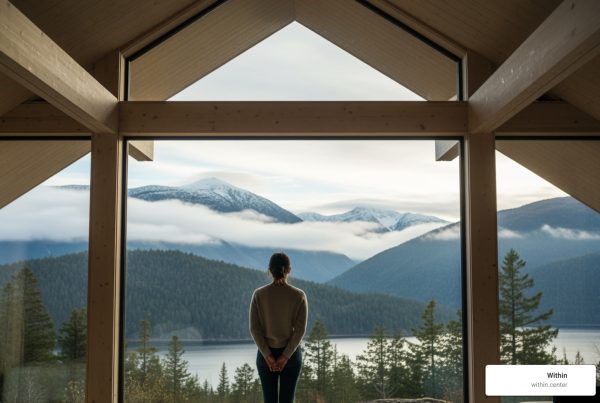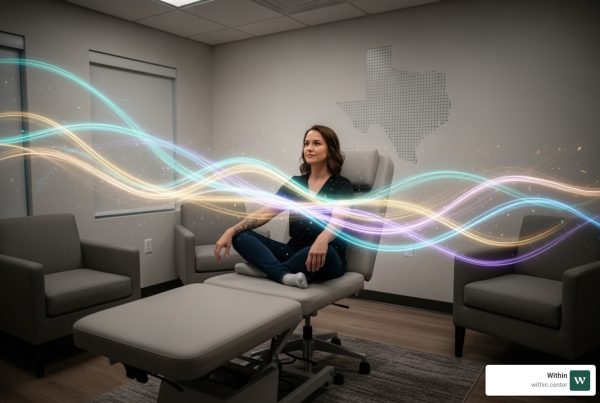
An immersive wellness experience marks a shift from temporary relaxation to profound personal change. Unlike conventional spa treatments, these multi-sensory journeys blend ancient wisdom with modern technology for lasting mental and physical change.
What defines an immersive wellness experience:
- Multi-sensory environments engaging sight, sound, touch, smell, and taste
- Active participation rather than passive relaxation
- Therapeutic goals aimed at lasting change
- Integration of technology like VR and biometric sensors
- Community connection and shared healing
- Personalized approaches for individual needs
We live in an era of disconnection. The wellness economy is projected to reach $8.5 trillion by 2027, reflecting a collective need to heal. As loneliness and anxiety rise, with 61% of Americans feeling lonely, traditional methods often prove insufficient.
Enter immersive wellness: “state change machines” designed for measurable therapeutic impact. For example, 81% of participants in an immersive forest bathing session reported feeling less anxious afterward.
These experiences don’t just help you relax. They help you rewire your brain, regulate your nervous system, and reconnect with yourself and others for lasting positive change.
What is an Immersive Wellness Experience?
An immersive wellness experience is a “state change machine,” guiding you into altered states of consciousness like awe, wonder, and transcendence. These feelings can fundamentally shift your perspective.
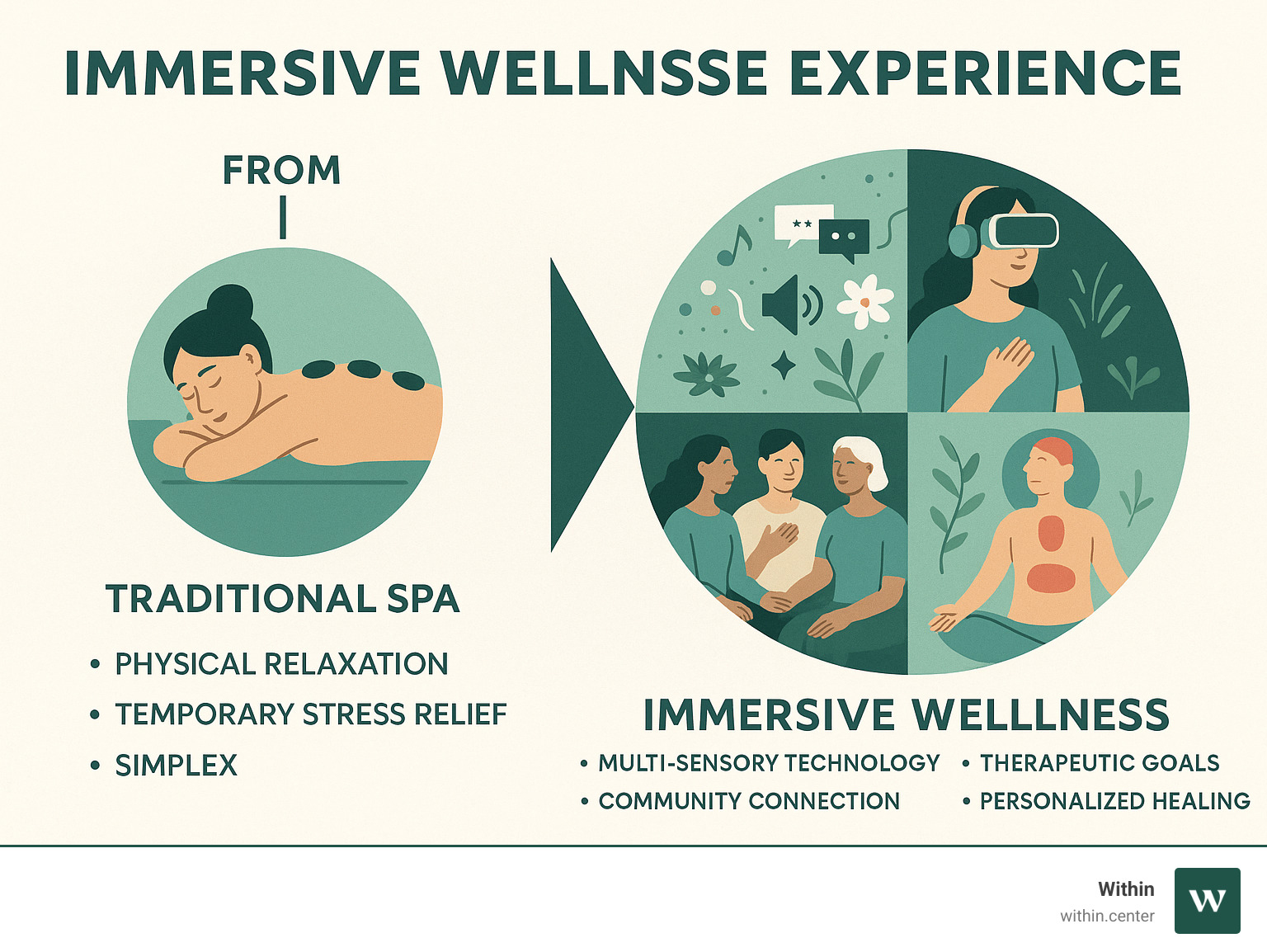
Unlike a typical spa day, this is a holistic healing journey engaging all your senses. Carefully crafted environments aim for real, lasting change, not just relaxation. The goal is to create a full-body shift that can rewire how your nervous system responds to stress, how you process emotions, and how connected you feel.
The Core of an Immersive Wellness Experience
Six key elements work together to create profound healing.
Embodiment is crucial. These experiences use multi-sensory environments to pull you from your head back into your body, making presence a felt sensation.
Mindfulness happens naturally. By removing distractions and using guided journeys, they foster a state of focused, present-moment awareness.
Emotional processing is improved. Safe, stimulating environments allow buried emotions to surface, providing space for acknowledgement and release.
Connection addresses modern loneliness by fostering deep connection to self, others, and the natural world.
Awe and wonder are therapeutic tools. They soften the ego, increase empathy, and spark creativity, opening your mind to positive change.
Neuroaesthetics is the science of how beautiful environments rewire our brains. Every design choice is intentional, leveraging this research for measurable positive change.
Beyond traditional therapy, awe and connection are becoming recognized as powerful healing forces that can create lasting change.
How It Differs from a Traditional Spa
While traditional spas focus on relaxation, an immersive wellness experience plays an entirely different game.
| Feature | Traditional Spa | Immersive Wellness Experience |
| Goals | Relaxation, pampering, temporary stress relief, physical comfort | Lasting change, emotional processing, nervous system regulation, liftd states of consciousness |
| Methods | Massages, facials, saunas, individual treatments | Multi-sensory environments, VR and biometric technology, guided journeys, community experiences, ancient wisdom practices |
| Outcomes | Physical comfort, short-term rejuvenation, immediate stress reduction | Improved mood and mindfulness, neuroplasticity, deep self-findy, lasting personal growth |
The key difference is active participation. You are an explorer on a journey, not a passive recipient of a treatment. It’s an integrated journey where each element builds on the last to create a narrative of change.
The focus shifts from temporary physical comfort to long-term psychological change, altering how your brain and nervous system function. Imagine the difference between a relaxing massage and moving through a series of themed rooms, each with specific temperatures, scents, and visuals designed to guide you through different emotional states. Both have value, but only one is designed to help you leave fundamentally changed.
The Building Blocks of Immersion: Key Components and Technologies
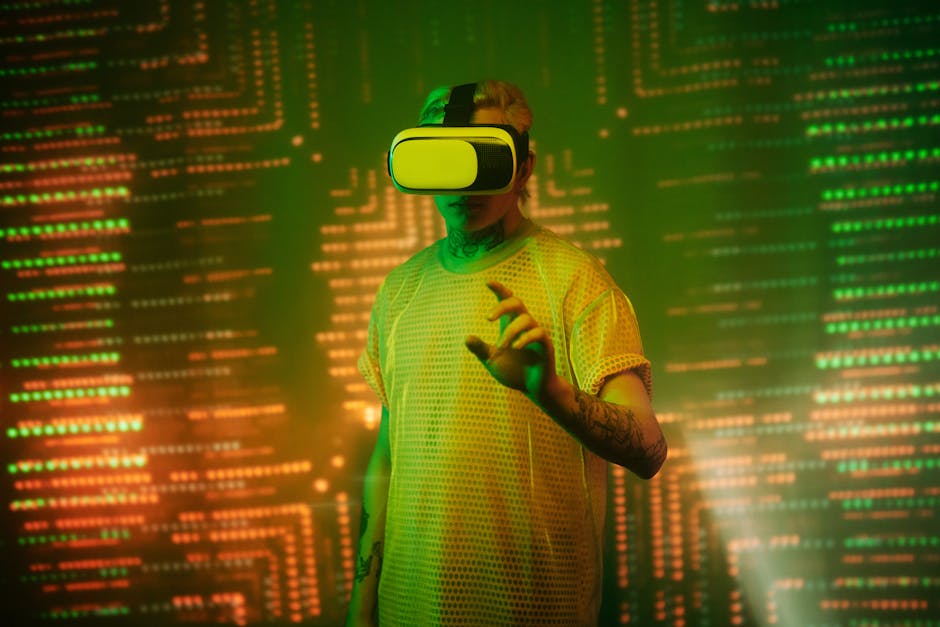
A transformative immersive wellness experience harmonizes ancient wisdom, modern science, art, and community. We amplify traditional healing practices with responsive technology, creating living environments that adapt to your healing journey.
Engaging All Five Senses
An effective immersive wellness experience thoughtfully engages all your senses to create a natural pathway for healing.
Sight becomes a gateway to change. High-definition screens can create cosmic landscapes, while natural materials and thoughtful lighting can shift your nervous system from stress to calm.
Sound therapy and vibro-acoustics use healing frequencies you can feel. Sound baths and specialized beds allow you to experience sound as a full-body massage from the inside out.
Smell has a direct line to your emotional brain. Aromatherapy uses scents chosen for their ability to shift mental states, like lavender for relaxation or eucalyptus for clarity.
Touch through thermotherapy and hydrotherapy creates powerful physiological shifts. Moving between a warm sauna and a cold plunge trains your nervous system to handle stress more effectively.
Taste can be part of the journey. The experience often includes nourishing foods that support the body’s healing process, because true wellness starts from within.
Technology’s Role in a Personalized Immersive Wellness Experience
Technology in wellness creates more personalized and responsive healing environments.
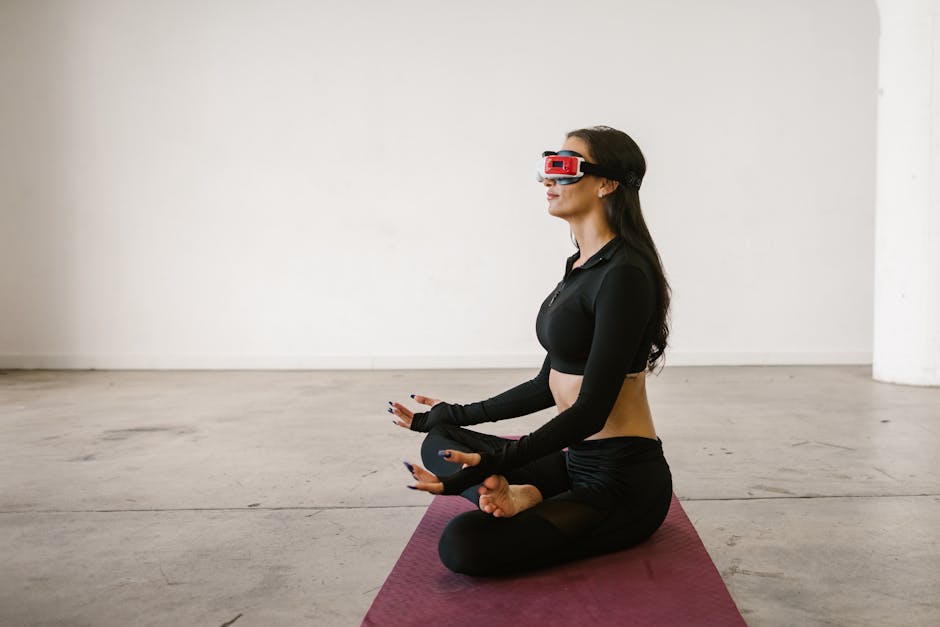
Virtual Reality (VR) can transport you to a peaceful beach for anxiety relief or a virtual temple for meditation, making experiences possible that the physical world can’t offer.
Augmented Reality (AR) transforms your physical space. For example, high-definition screens can turn rooms into immersive landscapes that adapt to your session’s therapeutic goals.
Biometric sensors monitor your heart rate and stress levels, allowing the environment to adapt in real time. If you’re stressed, the lighting or sound might adjust to calm you.
Artificial Intelligence (AI) is starting to create “cyberdelics”—personalized, generative experiences. It can learn what centers you and create custom environments just for you.
This technology serves the ancient goal of healing, using every available tool to help you find peace, connection, and the change you’re seeking.
For a fascinating look at how VR is changing meditation and mindfulness practices, check out A look at using VR for mindfulness.
The Science of Change: Benefits for Mind and Body

The benefits of an immersive wellness experience are rooted in science. These environments leverage neuroplasticity—your brain’s ability to form new connections. By engaging your senses and emotions, you actively create healthier neural pathways. Practices like alternating hot and cold therapies help with nervous system regulation, shifting you from a “fight or flight” to a calm, “rest and digest” state, which builds resilience to daily stress.
These experiences are also designed to induce flow states—joyful states of deep focus where time seems to disappear. When shared with others, this can create collective effervescence, a powerful sense of shared energy that strengthens bonds and helps you feel part of something bigger.
Psychological and Emotional Benefits
A primary benefit is stress reduction and anxiety relief. Studies show forest bathing can reduce anxiety in 81% of participants after one session. Private thermal spas and float tanks are also crafted to induce deep calm.
These experiences lead to an improved mood by promoting the release of endorphins and serotonin. They cultivate improved mindfulness through guided meditation, breathwork, and sensory focus. Sensory deprivation tanks can spark increased creativity by quieting external distractions. The community focus of many experiences helps in combating loneliness and fostering a sense of belonging, which is vital when 61% of Americans report feeling lonely.
While these experiences offer incredible benefits, seeking professional help for persistent stress, anxiety, or mood issues is a sign of strength. You can learn more about The importance of seeking mental health support.
Physiological and Physical Benefits
The physical advantages are equally compelling. Many journeys provide immune system support, with specialized thermal rooms or immunity programs designed to strengthen your body’s natural defenses. Therapies like red-light therapy or hot stone saunas can offer pain relief for muscles and joints. Cryotherapy (cold exposure) can lead to improved circulation and reduced inflammation.
Deep relaxation also leads to better sleep. Lastly, elements like saunas and hydrotherapy aid in detoxification, helping your body cleanse and refresh itself.
For those curious about even deeper healing modalities that intertwine with physiological well-being, exploring options like The Ketamine Therapy Experience can provide valuable insight.
The Spectrum of Immersive Wellness: From Nature to Technology
The beauty of immersive wellness experiences lies in their incredible diversity. From nature retreats to high-tech centers, there’s a path for every healing journey.
Different types of immersive wellness settings include:
- Nature-based retreats and forest bathing experiences
- Multi-sensory art installations and sound temples
- High-tech wellness centers with VR, AR, and biometric feedback
- Traditional and modern bathhouses with hot and cold therapies
- Sensory deprivation float tanks
- Vibro-acoustic therapy beds
- Psychedelic-assisted therapy retreats
- Community-focused wellness programs
Nature-Based Immersion
Returning to nature is a powerful form of healing.
Forest bathing (Shinrin-yoku) is a Japanese practice of mindfully immersing yourself in a forest. Research shows it can significantly reduce stress, with 81% of participants feeling less anxious after one session.
Wellness sabbaticals are longer-term retreats in nature designed for sustainable change.
Regenerative health focuses on nature’s measurable biomedical effects on our well-being.
Wilderness expeditions are guided journeys that combine physical challenges with opportunities for self-findy.
Grounding practices, like walking barefoot on the earth, can have powerful calming effects.
Art, Culture, and Community
Art is a healing force, and modern experiences are refinding this truth.
Immersive art installations use light, sound, and space to alter perception and evoke deep emotions.
Sound baths, using resonant frequencies from instruments or vibro-acoustic beds, induce deep relaxation and meditative states.
Movement and dance sessions help participants achieve flow states and release emotional blockages.
Shared reflection spaces are becoming vital “third spaces” for connection and community, which is crucial for combating loneliness.
Cultural prescriptions, such as visits to museums, are now being recognized for their genuine therapeutic value.
To understand how shared experiences can profoundly transform mental health, explore How community transforms mental health.
Technology-Driven and Psychedelic-Assisted Journeys
At the cutting edge, new technologies and therapies are creating new possibilities for healing.
Vibro-acoustic beds use low-frequency vibrations synchronized with soundscapes to induce profound relaxation. You feel the healing throughout your body.
Sensory deprivation tanks remove external stimuli, allowing for effortless floating that leads to deep relaxation, self-reflection, and creativity.
Guided VR meditations can transport you to serene landscapes, which is especially helpful for those who find traditional practice difficult.
Psychedelic-assisted therapy is a significant frontier in wellness. With growing scientific support, treatments like ketamine-assisted therapy are gaining acceptance for conditions like depression, anxiety, and PTSD.
At Within Center, located near Austin, Texas, we offer an immersive, live-in retreat experience at AWKN Ranch. Our approach combines ketamine-assisted therapy with comprehensive integration support and a strong community focus. This creates a holistic healing environment that blends ancient wisdom with modern medical understanding for profound, lasting change.
For a detailed explanation of this innovative therapy, read What is Ketamine Therapy?.
The Future is Immersive: What’s Next in Wellness?
The future of wellness is about thriving, not just fixing problems. This forward-looking approach is deeply immersive, blending ancient wisdom with the latest science and technology.
Future Trends and Innovations
Get ready for amazing developments in the next wave of immersive wellness experiences.
AI-driven personalization will use biometric and genetic data to create hyper-personalized wellness journeys, customizing every sensory element for you.
Advances in neurotechnology will offer more precise ways to support cognitive function, such as real-time brain training for focus or calm.
Virtual wellness immersions, accelerated by the pandemic, will make powerful healing environments more accessible from home.
As science validates their potential, mainstreaming of psychedelic healing will continue. Psychedelic-assisted therapies, like those at Within Center, will become more accepted, offering profound change in supportive, immersive settings.
Keep an eye on the rise of “third spaces” for wellness. As traditional gathering spots fade, immersive wellness centers will become vital hubs for connection and renewal, combating loneliness.
Incorporating Immersive Principles into Daily Life
You can weave these powerful principles into your everyday life for continuous well-being.
- Sensory rituals at home: Use sensory rituals, like lighting a candle for aromatherapy or mindfully sipping tea.
- Mindful tech use: Use guided meditation apps or soothing soundscapes intentionally as tools for peace.
- Creating a personal sanctuary: Designate a small, cozy, distraction-free space in your home for relaxation.
- Nature walks: Take mindful walks in nature, engaging all your senses.
- Curating playlists for mood: Create playlists to energize, calm, or focus your mind.
- Breathwork practices: Simple breathwork can regulate your nervous system and reduce stress anywhere.
Considerations and Potential Drawbacks
While the future is bright, it’s important to consider a few practical points.
Accessibility and cost is a challenge, as many high-end experiences can be expensive. At Within Center, we believe in making holistic healing accessible.
For some, highly sensory environments might lead to over-stimulation. It’s important to know your sensitivities and choose experiences that feel right for you.
The importance of integration is crucial. A powerful experience is just the start. Lasting change requires integrating insights into daily life. This is why comprehensive integration support is a core part of our approach at Within Center.
When exploring options, focus on finding credible providers. Research providers to ensure they are reputable, safe, and use evidence-based practices, especially for newer therapies.
Understanding how important this follow-through is, especially after a deeply transformative experience, is key. You can learn more about How Important is the Therapy Component of Ketamine Therapy?.
Frequently Asked Questions about Immersive Wellness
It’s natural to have questions when exploring something as new and transformative as an immersive wellness experience. Here are some common questions about the practicalities.
What should I expect during my first immersive wellness experience?
Expect a guided, multi-sensory journey designed to engage your senses and help you relax, focus, and connect with yourself. You might move through themed spaces with unique lighting and sounds. The main goal is to help you let go and allow the environment to guide you toward a state of deep well-being.
Are these experiences done alone or in a group?
Experiences can be either solo or in a group. Some are designed for private introspection, like a float tank or a private thermal circuit. Others emphasize shared healing and community, with small groups moving through a space together or participating in communal activities like sauna and ice bath sessions. The choice depends on whether you seek personal reflection or connection.
How long does an immersive wellness experience typically last?
The duration of an immersive wellness experience varies widely. Some focused sessions can be as short as 10-30 minutes, offering a quick reset. More comprehensive journeys typically last 75 minutes or more, allowing for a deeper dive. For the most profound change, wellness sabbaticals can last for weeks or even months, allowing for full integration and lasting personal growth.
Conclusion
The shift from passive relaxation to active, personal change marks a new era in wellness. Immersive wellness experiences are carefully designed journeys that help us rewire our brains, regulate our nervous systems, and reconnect with ourselves and others in meaningful ways.
At a time when 61% of Americans feel lonely and anxiety is on the rise, traditional approaches often fall short. Immersive wellness offers genuine healing that our disconnected world desperately needs. From forest bathing that reduces anxiety to technology-improved environments that alter consciousness, the goal is profound, measurable change.
The journey to well-being is deeply personal, yet it’s often enriched by expert guidance and community support. The integration of insights gained during these powerful experiences into daily life is what transforms a single session into lasting growth.
For those ready to explore deeper healing modalities, a Psychedelic Therapy Retreat can be a transformative step toward holistic wellness. At Within Center, we understand that true healing happens not just during the experience itself, but in the comprehensive support and community connection that follows.
Immersive wellness experiences represent more than a trend—they’re a powerful tool for addressing modern challenges and refinding our capacity for profound well-being and connection.